Laser Power & Infra’s ₹742 crore IPO pitches growth, but debt stays central
Laser Power & Infra is seeking ₹742 crore in an initial public offering to repay borrowings and fund expansion, testing whether infrastructure-led growth can…
Mei Lin ·
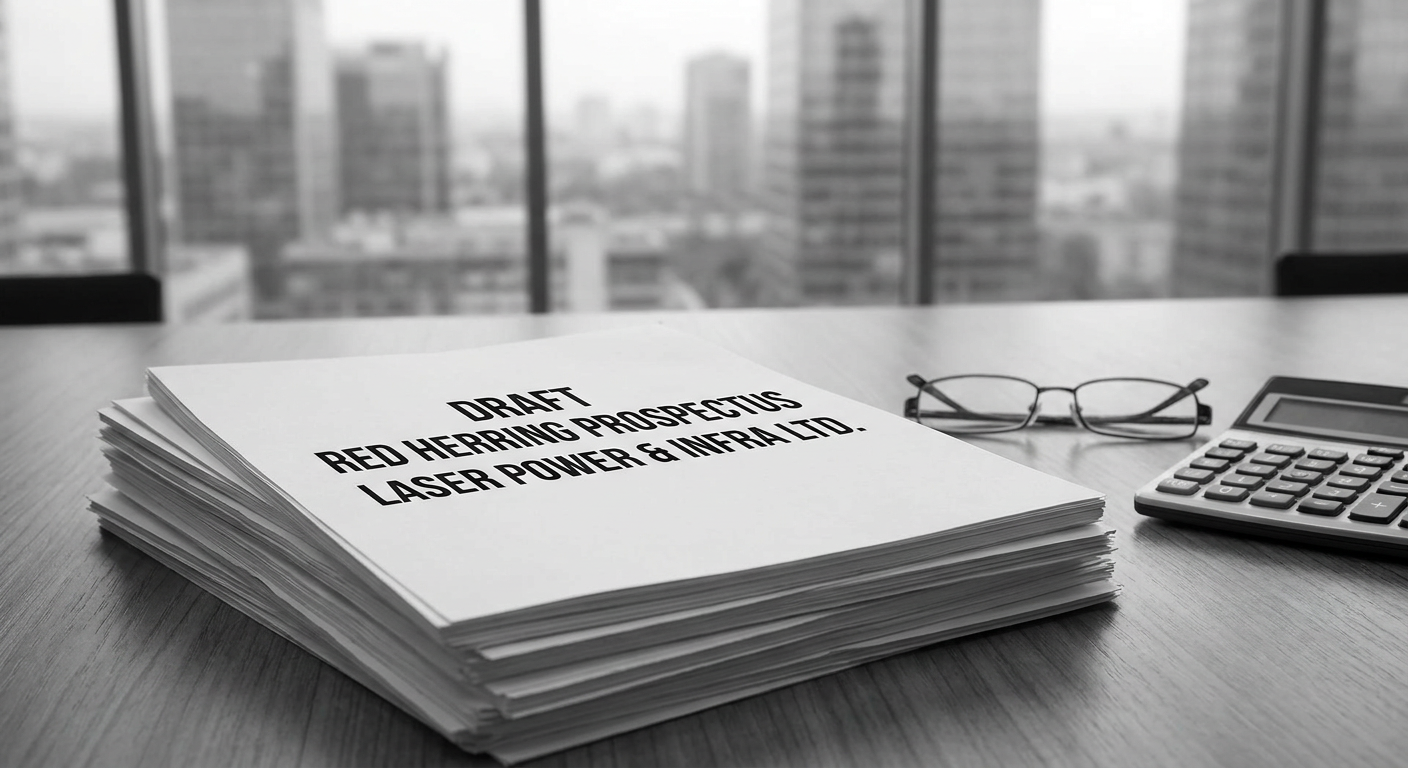
# Laser Power & Infra’s ₹742 crore IPO pitches growth, but debt stays central
Laser Power & Infra is planning a ₹742 crore initial public offering (IPO) aimed primarily at debt repayment and expansion funding, according to the company’s stated plan in the deal’s marketing narrative. The proposal lands as India’s power infrastructure pipeline and network build-outs keep drawing contractor interest, but it asks investors to underwrite a balance sheet that the source describes as still carrying elevated leverage.
India’s listed IPO market has been a steady
India’s listed IPO market has been a steady funding channel for companies tied to power and transmission work, where cash conversion can be uneven because payments depend on project milestones, certification, and counterparty timelines. For firms that operate as engineering, procurement and construction (EPC) or project execution players, working-capital intensity is often the hidden variable: growth can look strong on paper while borrowing needs rise in tandem.
Laser Power & Infra is positioning itself within that infrastructure-led demand story, with the source reporting that the company expects growth from power infrastructure and network expansion projects. The same source says the company’s revenue and profits have risen and that return ratios have improved “significantly,” which is typically what IPO-bound issuers highlight when trying to show that growth is becoming more efficient.
For India and the region, the immediate read-through is less about one IPO and more about what it signals on funding conditions for contractors and equipment-adjacent firms. If equity issuance can meaningfully reduce debt, it can lower financing costs and improve bidding capacity, potentially allowing firms to take on larger orders without stressing working capital. That can feed back into the pace of power-grid upgrades and network expansion, areas that have knock-on effects for industrial output reliability and, indirectly, cross-border supply chains that depend on stable power availability.
Laser Power
Globally, the risk markers flagged in the source fit a pattern investors have seen across infrastructure names: elevated debt can magnify small operational stumbles, while raw material price volatility can compress margins if contracts do not allow pass-through or if hedging is limited. Those dynamics matter to foreign portfolio investors watching India’s capex cycle because they influence whether earnings upgrades are durable or simply a function of high utilization during a favorable cost window.
A falsifiable check is whether the IPO proceeds materially reduce leverage as promised and whether that translates into steadier profitability through a raw-material cost swing. By 2026-03-31, investors should be able to assess (1) whether reported borrowings are lower than pre-IPO levels and (2) whether operating margins held up through input-cost volatility. If borrowings fall and margins remain resilient, it supports the case that the issue’s “repay debt and fund expansion” plan improved financial flexibility. If leverage stays high or margins deteriorate sharply, it would suggest the core risks the source flags, debt load and raw material prices, are still dictating outcomes more than the growth narrative.