Mideast Strife Dents Oil Outlook, IEA Warns
IEA cuts oil forecasts on April 14, 2026, citing Mideast conflict disruptions, a 10.1 million bpd March loss, and weaker demand.
Atlas Newsdesk ·
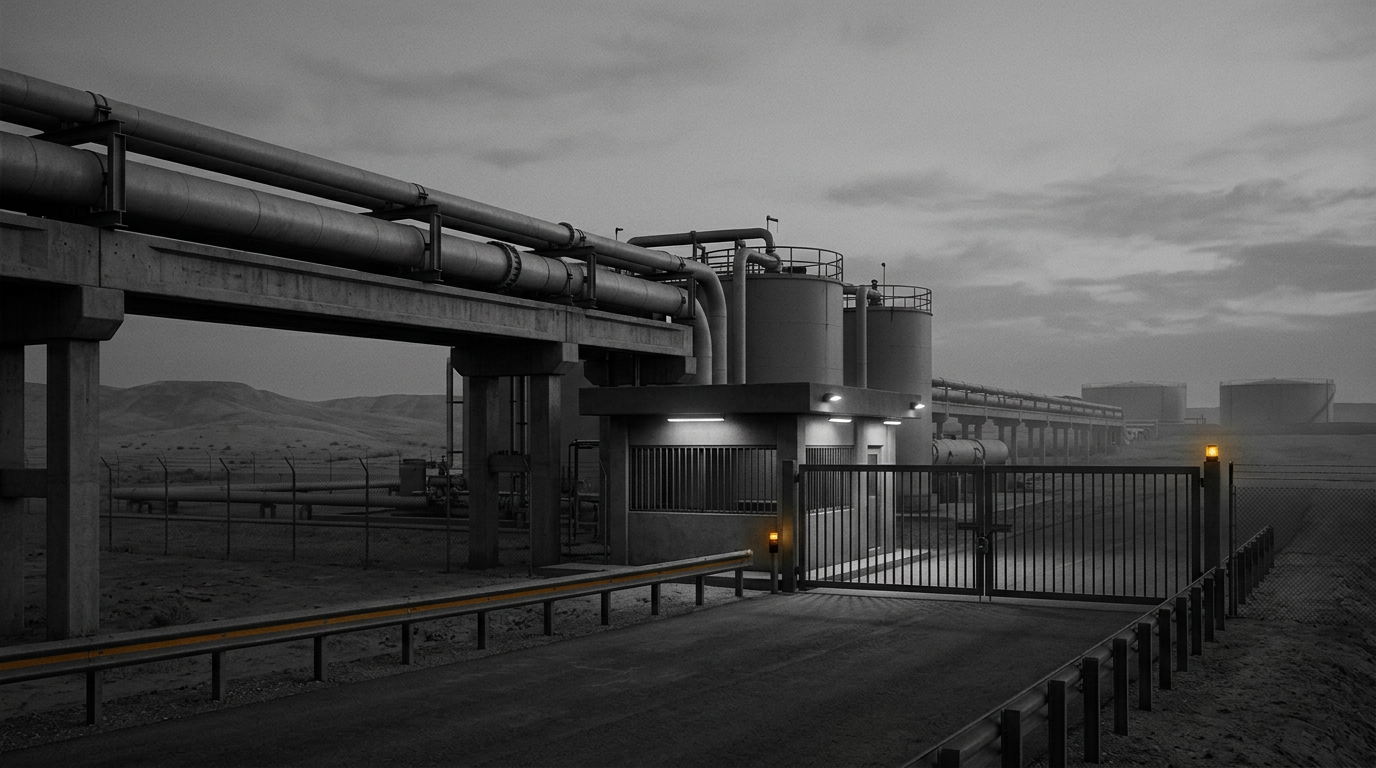
Global oil outlooks were sharply downgraded by the International Energy Agency (IEA) on April 14, 2026 , as the agency said the ongoing conflict in the Middle East is disrupting energy flows and weighing on the world economy. The Paris-based watchdog revised both demand and supply expectations, shifting from earlier growth projections to declines versus 2025 levels.
On demand, the IEA now expects global oil consumption to fall by 80,000 barrels per day (bpd) in 2026. That marks a major change from its prior view, which had pointed to a 640,000 bpd year-on-year increase. The agency said the new forecast reflects the conflict’s effects on oil movements and broader economic conditions.
The IEA warned that “demand destruction will spread as scarcity and higher prices persist.” It added that the Middle East and Asia-Pacific have seen the largest reductions in oil use so far. The agency’s update framed these regional cuts as the most significant to date within the current episode of disruption.
On supply, the IEA also reversed course. It now projects global oil supply will drop by 1.5 million bpd in the current year, compared with its earlier expectation of a 1.1 million bpd increase. The agency linked the change to attacks on energy infrastructure in the Middle East and to Iran’s effective closure of the Strait of Hormuz, a key route for seaborne oil shipments.
According to the IEA, these developments led to a loss of 10.1 million bpd in March. The agency described that figure as the largest oil supply disruption in history. The update highlights how quickly geopolitical shocks can translate into physical shortages, shipping constraints, and altered trade patterns across the energy system.
What it means: The IEA’s revisions underscore the scale of economic and logistical strain that can emerge when a major transit corridor is impaired and regional infrastructure is hit. For governments, the new projections sharpen the focus on energy security and the resilience of supply chains that depend on stable maritime routes.
For businesses and consumers, the agency’s emphasis on scarcity and higher prices points to a tighter operating environment, particularly in regions where consumption cuts are already most pronounced.
Risks and unknowns remain centered on how long the disruptions persist and how quickly oil flows can normalize. The IEA’s report ties its forecast changes directly to the conflict’s impact on infrastructure and the Strait of Hormuz, leaving the outlook sensitive to further developments in the region.