Evergrande Founder Admits Guilt in Shenzhen Fraud
Evergrande founder Hui Ka Yan pleaded guilty in Shenzhen on April 13-14 to embezzlement and bribery charges; verdict pending.
Atlas Newsdesk ·
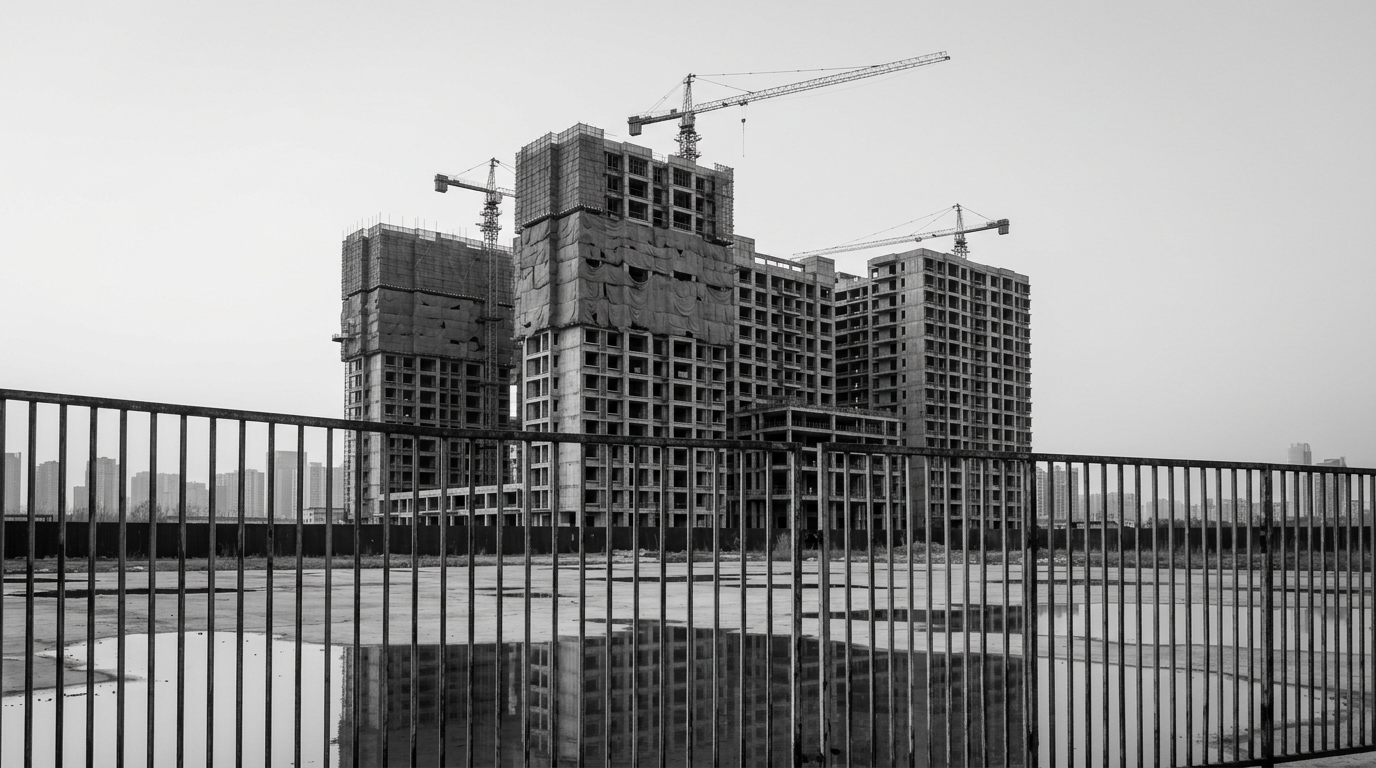
China Evergrande Group founder Hui Ka Yan pleaded guilty to fraud-related charges during a public court hearing in Shenzhen held on April 13 and 14, according to the court. The charges included embezzlement of corporate assets and corporate bribery. The court said a verdict will be issued at a later date.
The guilty plea is the latest legal development tied to the collapse of Evergrande, a crisis that has weighed on China’s property sector and rippled into broader financial markets. Officials have linked the company’s difficulties to practices that left many projects unfinished across China, affecting prospective homebuyers.
The case adds to the ongoing fallout from a corporate failure that has remained a focal point for investors and policymakers since the company’s financial stress became public.
Court proceedings described how Evergrande diverted millions of dollars in pre-sale funds that were intended for construction. Those funds were instead directed toward new projects, the proceedings said. The result, according to the same court disclosures, was a large number of incomplete properties, which compounded pressure on the developer’s finances and contributed to the wider strain in the sector.
Evergrande was previously China’s largest real estate firm, with a market valuation exceeding $50 billion. The company entered a debt crisis in 2021, a turning point that has since been associated with heightened scrutiny of funding practices and project delivery across the industry. The guilty plea by Hui Ka Yan highlights the legal consequences now emerging from the company’s financial difficulties, as authorities pursue accountability connected to the developer’s operations.
Beyond the courtroom, the case sits within a property market that has been under pressure since Evergrande’s default. The court’s decision to schedule the verdict for a later date leaves uncertainty over the timing and scope of the final ruling.
Market participants and stakeholders in China’s housing system are watching for how the case concludes, given its relevance to confidence in developers, the handling of pre-sale funds, and the regulatory environment surrounding real estate financing and project completion.