Iran Tensions Escalate Amid Strait of Hormuz Blockade
Escalating Iran tensions and a Strait of Hormuz blockade create deadlock, raising fears of renewed conflict with neither side yielding.
Lauren Collins ·
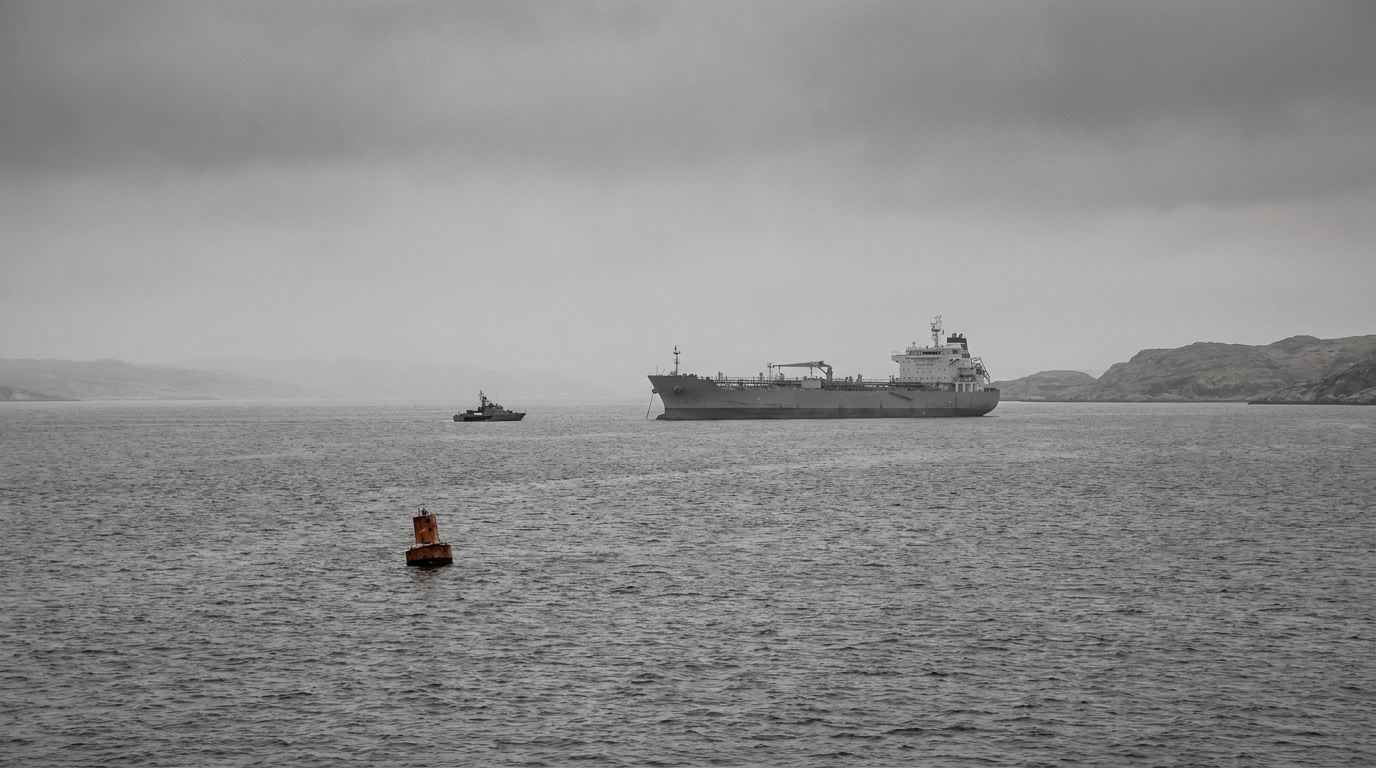
A fragile deadlock persists between the United States and Iran three months after a joint U.S.-Israeli strike, with a U.S. naval blockade and Tehran's control over the Strait of Hormuz intensifying economic pressure. Policymakers are increasingly worried about how long this standoff can continue before an accidental misstep ignites further hostilities.
Widening Economic Strain
The prolonged standoff is exacting a significant economic toll on Iran, exacerbating internal pressures. While international observers had hoped that increased pressure might compel Tehran to negotiate, recent analyses suggest this strategy has repeatedly failed to yield desired results.
Some voices within the U.S. and Israel continue to advocate for more assertive actions, believing that further pressure could dismantle Tehran's negotiating power. However, this viewpoint is countered by assessments indicating that Iran has historically resisted capitulation under such circumstances, drawing parallels to past diplomatic failures.
Rising Risk of Renewed Conflict
The current situation has been described by regional officials as a war of attrition, with the likelihood of a new U.S.-Israeli military engagement increasing daily. The lack of a clear diplomatic path forward and the continued economic isolation contribute to a volatile environment.
Without significant de-escalation or a breakthrough in negotiations, the risk of miscalculation by either side remains a primary concern. The strategic importance of the Strait of Hormuz, a critical chokepoint for global oil trade, amplifies the potential consequences of any escalation.
The coming weeks will be crucial in determining whether diplomatic channels can be reopened or if the current trajectory will lead to further military confrontation. International stakeholders are closely monitoring developments for any signs of a shift in the current impasse.