Middle East Tensions Escalate: Day 12 of Iran-Israel Conflict
The Iran-Israel conflict reached its twelfth day with escalating attacks from both sides, including Israeli strikes on Lebanon and Iran, and Iranian missile…
Cuneyd Erdogan ·
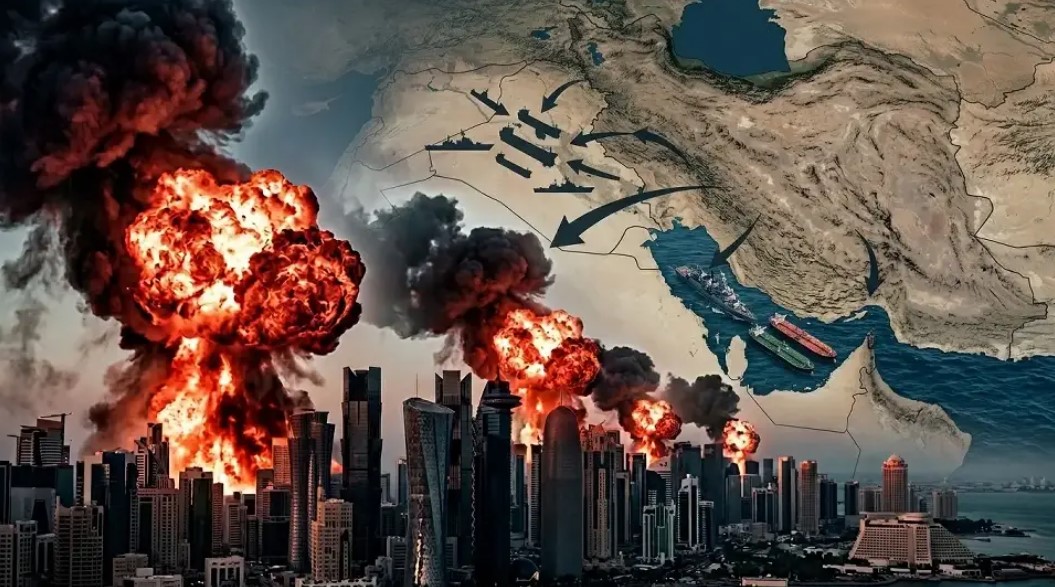
The conflict between Iran and Israel has entered its twelfth day, marked by intensified military actions from both sides. On March 11, 2026, Israel launched fresh attacks, targeting both Beirut, the capital of Lebanon, and locations within Iran. These strikes in Lebanon reportedly resulted in at least 30 fatalities.
In retaliation, Iran announced it had conducted three waves of missile attacks against Israel. Furthermore, Iran claimed to have shot down an Israeli drone and a U.S. drone over Kerman province. The Iranian Revolutionary Guard Corps declared its commitment to continue fighting until the 'shadow of war' is lifted.
Israeli Defense Minister Israel Katz stated that the conflict would proceed without a time limit. Meanwhile, Iran's Khatam-al Anbiya Central Headquarters announced plans to target economic assets linked to the U.S. and Israel, following attacks on Iranian banks.
Despite the escalating hostilities, Iranian President Masoud Pezeshkian affirmed that Tehran has no intention of engaging in conflict with other regional nations. Reports of Iran's new religious leader, Mojtaba Khamenei, sustaining minor injuries in the attacks were denied by Iranian sources, though Israeli intelligence continued to circulate the claim.