Iran links Strait of Hormuz reopening to oil waivers
Strait of Hormuz access will stay restricted until a Lebanon ceasefire holds and waivers permitting Iranian oil sales are granted, Tasnim reported.
Atlas Newsdesk ·
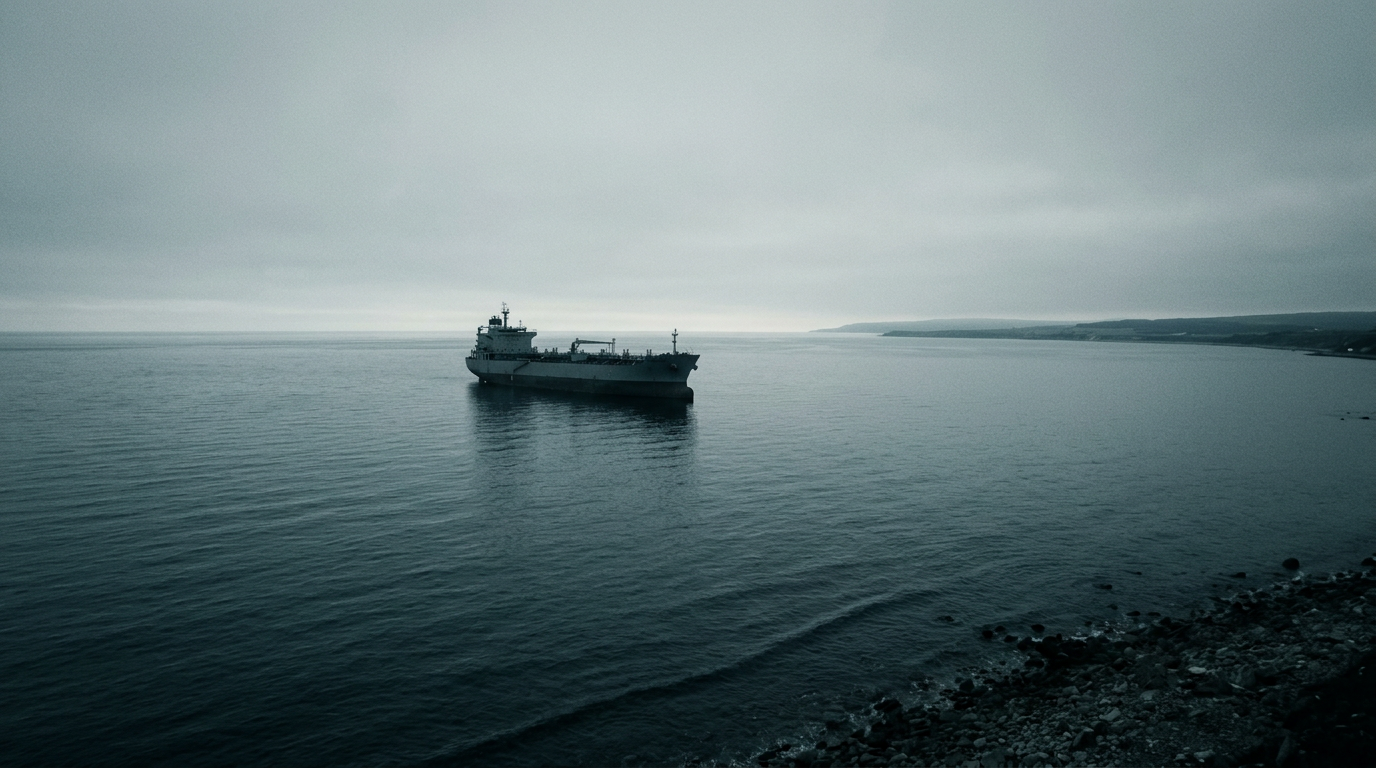
Strait of Hormuz access will stay restricted until a Lebanon ceasefire holds and waivers permitting Iranian oil sales are granted, Tasnim reported.
Iran’s Tasnim news agency said on June 21 that the strategic waterway would not be reopened while a ceasefire in Lebanon is not being respected. The report cited a source described as close to Iran’s negotiating team.
The same source said the channel would also remain closed until waivers are issued that would allow Iranian oil to be sold. The report did not specify which countries would provide the waivers or the timeframe for any decision.
Conditions set for reopening
Tasnim’s account framed the Strait of Hormuz as leverage tied to two parallel demands: enforcement of a Lebanon ceasefire and permission for Iranian crude exports through waivers. The report did not detail how compliance with the ceasefire would be assessed or by whom.
Iranian authorities have not publicly released an operational timeline for resuming normal transit, and Tasnim did not identify the source by name. Reuters could not independently verify the details in the report.
The Strait of Hormuz is a narrow maritime corridor between Iran and Oman that connects the Persian Gulf to the Gulf of Oman and the Arabian Sea. It is one of the world’s most important chokepoints for seaborne energy trade, and any prolonged disruption can raise shipping risk perceptions.
Why the waterway matters to energy markets
Oil and refined products exported from Gulf producers frequently pass through the Strait of Hormuz before reaching global markets. As a result, even limited restrictions can affect tanker routing, insurance pricing, and freight rates, particularly when regional tensions are elevated.
Iran’s reference to “waivers” points to the role of sanctions frameworks that can limit the country’s ability to sell oil abroad. Waivers, when granted, can create carve-outs that permit certain transactions under defined conditions.
Tasnim’s report suggests Iranian negotiators are linking maritime access to broader political and economic outcomes rather than treating it as a standalone security issue. That linkage can complicate de-escalation efforts, because progress would depend on multiple tracks moving at the same time.
Diplomacy and enforcement questions
The mention of a Lebanon ceasefire introduces an additional variable: what constitutes “respect” for a truce, and what mechanism confirms adherence. Without a shared enforcement or monitoring arrangement, competing claims about violations could prolong restrictions and make reopening contingent on disputed facts.
The second condition—waivers for Iranian oil sales—also raises procedural questions, including which authorities have the power to grant them and whether they would be temporary, limited, or tied to separate negotiations. Tasnim did not describe any draft understanding or impending announcement.
For shipping and energy stakeholders, the immediate implication is continued uncertainty around transit conditions and commercial costs. The next signals to watch will be any official Iranian statements clarifying the status of the strait, and any external diplomatic moves addressing the Lebanon ceasefire and oil waiver discussions.