Judge Strikes Down Trump’s $100,000 H-1B Visa Fee
Federal judge rules Trump admin's $100k H-1B visa fee unlawful. Executive branch lacked authority to impose tax on employers hiring foreign workers.
Atlas Newsdesk ·
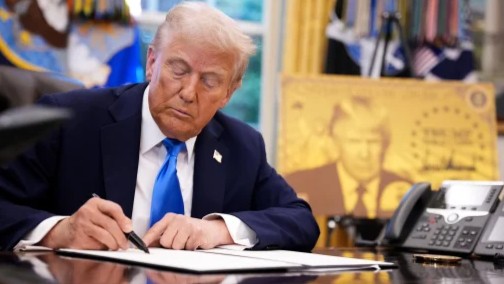
A federal judge in Massachusetts has invalidated the Trump administration’s controversial $100,000 fee on new H-1B visa applications, dealing a major setback to one of the administration’s most aggressive immigration measures aimed at high-skilled foreign workers.
U.S. District Judge Leo Sorokin ruled that the fee was effectively a tax and therefore could not be imposed without authorization from Congress. The decision came in response to a lawsuit filed by a coalition of 20 Democratic state attorneys general who argued that the policy exceeded presidential authority and harmed employers, universities and research institutions that rely on international talent.
The $100,000 charge was introduced by President Donald Trump in September 2025 as part of a broader effort to reduce reliance on foreign workers and encourage companies to hire more Americans. The fee represented a dramatic increase from the traditional H-1B application costs, which generally ranged from a few thousand dollars.
Court calls fee an unauthorized tax
In his ruling, Sorokin rejected the administration’s argument that the fee was a lawful immigration-related penalty designed to serve the national interest. The judge concluded that the structure and purpose of the charge made it a tax, a power reserved for Congress under the U.S. Constitution.
The court also found that federal immigration laws did not give either the State Department or U.S. Citizenship and Immigration Services authority to impose such a fee. Sorokin ordered the policy vacated nationwide.
Tech industry welcomed the decision
The H-1B visa program is widely used by technology, engineering, healthcare and research employers to recruit highly skilled foreign professionals. Business groups and major technology companies had warned that the fee would make it significantly more difficult and expensive to attract global talent.
According to court filings and industry data, the policy contributed to a sharp decline in applications after it took effect, with many employers delaying hiring plans while awaiting legal clarity.
Appeal expected
The Trump administration is expected to appeal the ruling, arguing that the president has broad authority to regulate immigration in the national interest. The White House has defended the fee as part of its effort to prioritize American workers and reduce what it describes as abuse of the H-1B system.
For now, however, the court’s decision restores the previous fee structure and removes a major obstacle facing employers seeking to hire foreign professionals through the H-1B program. The ruling is being viewed as a significant victory for business groups, universities and technology companies that depend on highly skilled international workers.