Iran Claims It Downed a Fighter Jet; US Starts Rescue
Iran says it downed a fighter jet as US officials confirm a rescue effort, raising uncertainty in a five-week conflict.
Cuneyd Erdogan ·
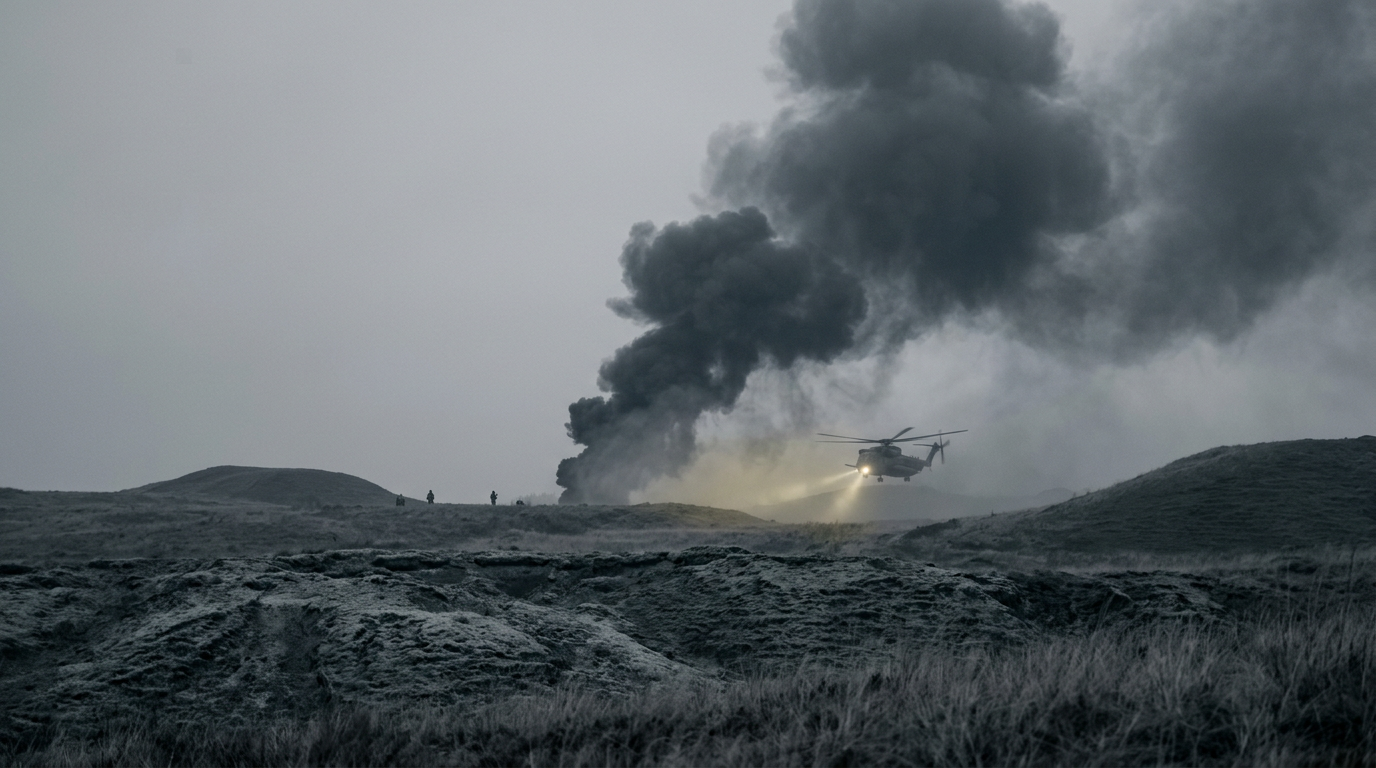
Iranian state media reported on Friday that the country’s military forces shot down a fighter jet, a claim that immediately drew attention because of its potential to widen a conflict now in its fifth week. Shortly after the report, United States officials confirmed that a search and rescue operation is under way in the region, without providing additional operational details.
Officials have released very little verified information from either side. The aircraft type has not been identified publicly, and there has been no official disclosure of where the incident occurred. The status and condition of the pilot and any crew members also remain unknown, according to the limited information available so far.
The episode is being treated as a possible escalation because, if the aircraft is confirmed to be American, it would represent the first time Iran has successfully shot down a U.S. jet since the current hostilities began. That point has not been confirmed publicly, and the lack of detail has left key questions unresolved, including whether the aircraft was operating alone or as part of a broader mission and what circumstances led to the reported engagement.
From a markets and policy standpoint, the combination of an unverified shootdown claim and an acknowledged U.S. rescue effort can heighten uncertainty even before facts are established. With official information scarce, investors and governments often focus on what is confirmed: Iran’s state media has made a specific claim, and U.S. officials have acknowledged an active rescue operation. The gap between those two statements is central to how the situation is interpreted internationally.
What remains unclear is substantial. There is no public confirmation that the downed aircraft was American, no official account of the engagement’s location, and no verified update on personnel. Until those points are clarified, the incident’s significance for the conflict’s trajectory and for international responses will remain difficult to assess based solely on publicly available statements.