Iran China Talks in Beijing Amidst Global Oil Crisis
High-stakes Iran China talks are underway in Beijing as the two nations navigate a deepening regional war and a historic global oil supply disruption.
Lauren Collins ·
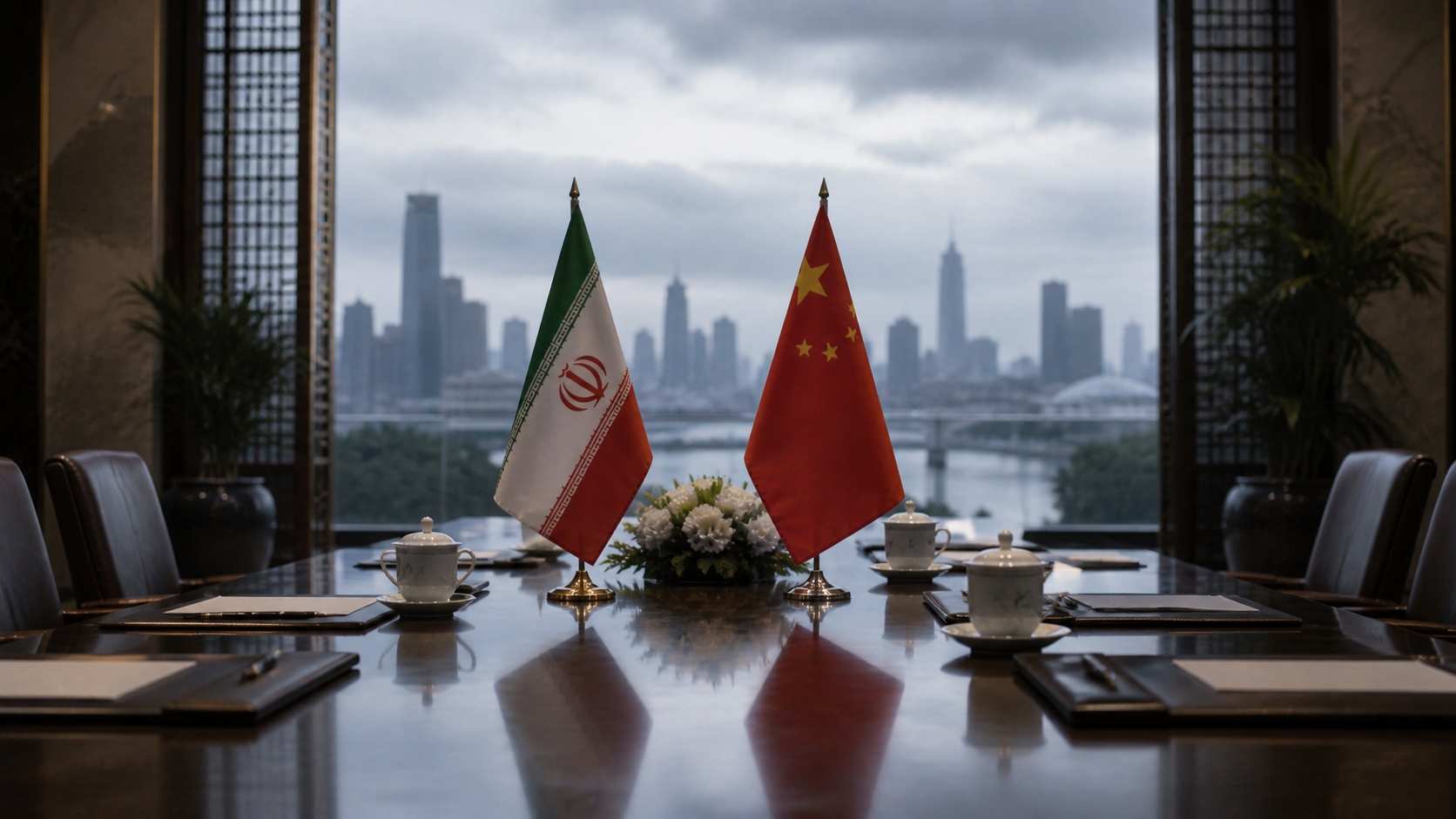
High-Level Dialogue Amid Regional Turmoil
High-stakes Iran China talks are underway in Beijing as the two nations navigate a deepening regional war and a historic global oil supply disruption. Iran’s Foreign Minister, Abbas Araghchi, arrived in the Chinese capital for a crucial meeting with his counterpart, Wang Yi, marking a significant diplomatic engagement amid escalating conflict.
The visit, confirmed by both the Iranian and Chinese foreign ministries for May 6, is Araghchi's first to China since retaliatory strikes by the U.S. and Israel triggered an unprecedented shock to global energy markets. According to a statement from Tehran, the discussions will focus on pressing regional and international developments.
A Diplomatic and Economic Lifeline
This in-person meeting elevates an already consistent line of communication between the two diplomats. Since the start of the conflict, Wang and Araghchi have held at least three phone calls, underscoring Beijing's important role in Tehran's strategic calculus.
For Iran, shoring up its partnership with China is critical for both diplomatic support and economic survival. Beijing represents a powerful voice on the world stage and a key economic partner capable of mitigating the impact of wartime pressures.
China has carefully managed its public stance, repeatedly calling for an immediate ceasefire while also emphasizing the need for all countries to respect national sovereignty. This position allows Beijing to advocate for de-escalation while subtly criticizing perceived foreign intervention in the region.
Energy Security and Strategic Alignment
The backdrop to this diplomatic outreach is the most severe global oil supply shock in history. As the world’s largest crude oil importer, China has a vested national security interest in restoring stability to energy markets and securing its supply chains.
The talks in Beijing are expected to address this energy crisis directly. Iran, a major oil producer, relies on its exports as a vital source of revenue, making its economic relationship with China more important than ever.
The meeting signals a consolidation of the strategic alignment between Tehran and Beijing. Global powers, particularly the United States, will be closely scrutinizing the outcomes for any signs of expanded economic or military cooperation that could influence the trajectory of the war.