Iran Cease-Fire Hinges on Reopening Strait of Hormuz
Iran cease-fire hinges on reopening the Strait of Hormuz as the U.S. pauses attacks for two weeks, with the Pentagon ready to resume.
Lauren Collins ·
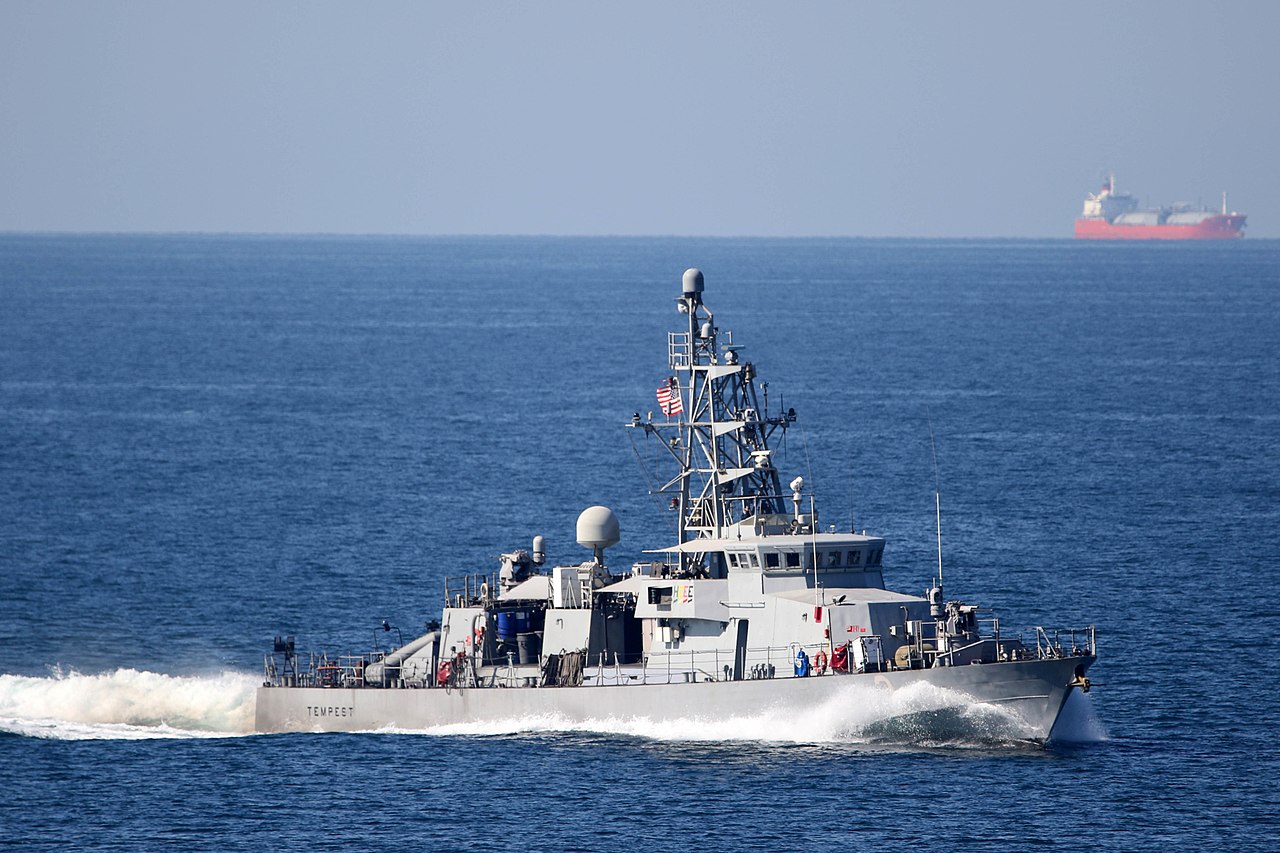
The United States has paused military strikes against Iran for two weeks, with President Trump announcing Tuesday that the halt depends on the immediate reopening of the Strait of Hormuz. The temporary pause follows a 10-point proposal from Tehran, which officials presented as a possible route toward diplomacy. The arrangement is framed as a de-escalation step, but it is explicitly linked to maritime access in one of the world’s most important shipping corridors.
Defense Secretary Pete Hegseth described recent operations as a “decisive military victory” over Iran and said Iran’s missile program had been effectively neutralized. The White House has pointed to the pause as evidence of progress, while the condition on Hormuz places a clear test on Iran’s near-term actions. The cease-fire’s durability, officials indicated, rests on whether commercial navigation can resume without interference.
Senior military leaders have emphasized that the suspension is limited and can be reversed. Gen. Dan Caine said Wednesday that the Pentagon remains ready to restart its campaign if the truce breaks down or if talks fail to deliver results. That posture highlights the narrow margin for error and the continuing mistrust shaping Washington-Tehran relations even as a diplomatic channel is explored.
Developments in the Strait of Hormuz have remained central to the dispute. On Wednesday, few commercial vessels were reported to have transited the waterway. Some ships said they received radio messages from Iranian forces asserting that passage required Tehran’s permission, a claim that directly challenges the cease-fire’s core condition of immediate reopening.
The arrangement has also created strain with key regional partners. Israel expressed unhappiness after learning that an agreement had been reached without its consultation in the final stages, according to officials. Israel confirmed it has stopped its own attacks on Iran, but said operations against the Iran-backed group Hezbollah in Lebanon are continuing.
Tehran filed a formal protest over Israel’s continued actions in Lebanon. -Iran pause, particularly if events in Lebanon or maritime incidents in Hormuz are interpreted as violations or provocations. For global markets, the immediate focus remains on whether shipping through Hormuz proceeds freely during the two-week window, and whether the parties treat the pause as a bridge to negotiations or as a temporary tactical break.