Iran Accuses US of War Crimes After Missile Strike Kills 4
Tehran formally accused the US of war crimes after a missile strike in southern Iran killed four civilians, escalating regional tensions.
Atlas Newsdesk ·
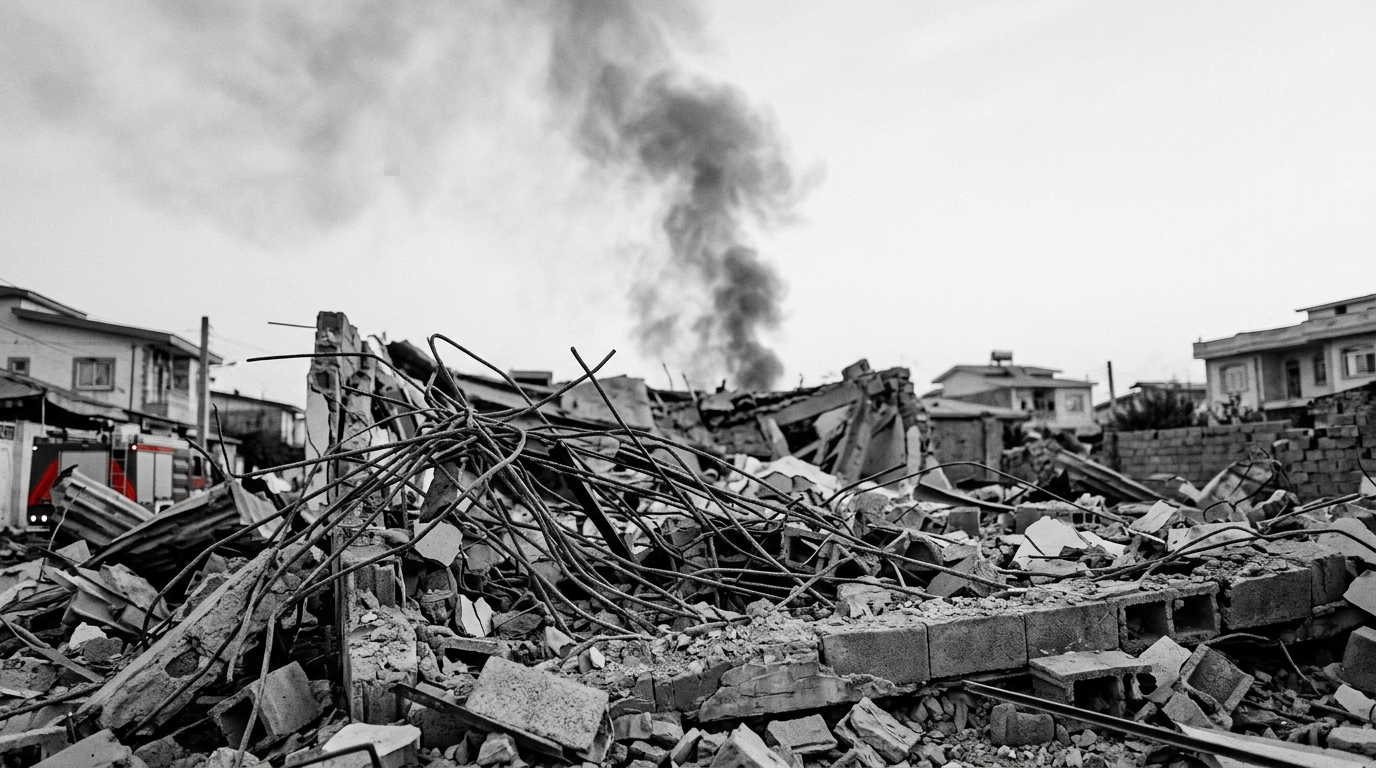
Iranian authorities have formally accused the United States of committing war crimes following a recent missile strike on a coastal residence in southern Iran. The incident reportedly caused the deaths of at least four civilians and injured approximately 68 others, according to Iranian statements. This accusation marks a significant escalation in the ongoing hostilities between the two nations.
U.S. Central Command, however, has maintained that its military operations are directed solely at military infrastructure. They explicitly deny any intentional targeting of non-combatants in the region. This particular strike comes amidst a broader resurgence of active conflict between the United States and Iran, contributing to heightened regional instability.
Iranian Retaliatory Actions and Warnings
In response to the US strike, Iranian forces have launched a series of missile and drone attacks. These actions have targeted various U.S. military installations located across several Gulf and Middle Eastern nations, including Bahrain, Iraq, Jordan, Kuwait, and the United Arab Emirates. This widespread targeting indicates a coordinated and robust reaction from Tehran.
Iranian leadership has issued stern warnings, indicating that further retaliatory measures are imminent. These threats are directed not only against U.S. forces but also against regional partners perceived to be facilitating U.S. military operations in the area. The explicit mention of a new, unspecified battlefield strategy by Iranian officials suggests a potential shift in their operational approach.
US Policy Stance and Regional Impact
Meanwhile, U.S. leadership has signaled a clear policy direction. They have indicated a preference for sustaining their current strategic military positioning and maintaining economic pressure on Iran, rather than pursuing diplomatic negotiations at this juncture. This stance suggests a continued commitment to a confrontational posture without immediate de-escalation through dialogue.
The escalating conflict has significantly heightened volatility across the region. The continuous exchange of fire and inflammatory rhetoric from both sides maintains a high potential for further escalation, posing substantial risks to regional security and stability. The international community watches closely as the confrontation unfolds.
Historical Context of Tensions
Tensions between the United States and Iran have a long and complex history, frequently characterized by periods of intense confrontation interspersed with diplomatic efforts. Significant friction points have historically included Iran's nuclear program, its regional influence, and the presence of US military forces in the Middle East.
Past incidents, such as the 2019 attacks on Saudi oil facilities or the 2020 assassination of Iranian General Qassem Soleimani, demonstrate the potential for rapid escalation and unintended consequences in the region.
The current situation mirrors a cycle of action and reaction, where each military maneuver or political statement by one side is met with a counter-response from the other. This dynamic makes the prospects for immediate de-escalation challenging, requiring careful monitoring by global powers to prevent a wider conflict.