Tibetan Plateau Glacial Melt Raises Disaster Risk
Glacial instability on the Tibetan Plateau, with a 24% area reduction over 60 years, escalates disaster risk for China and Nepal, exemplified by a recent fatal event.
Lauren Collins ·
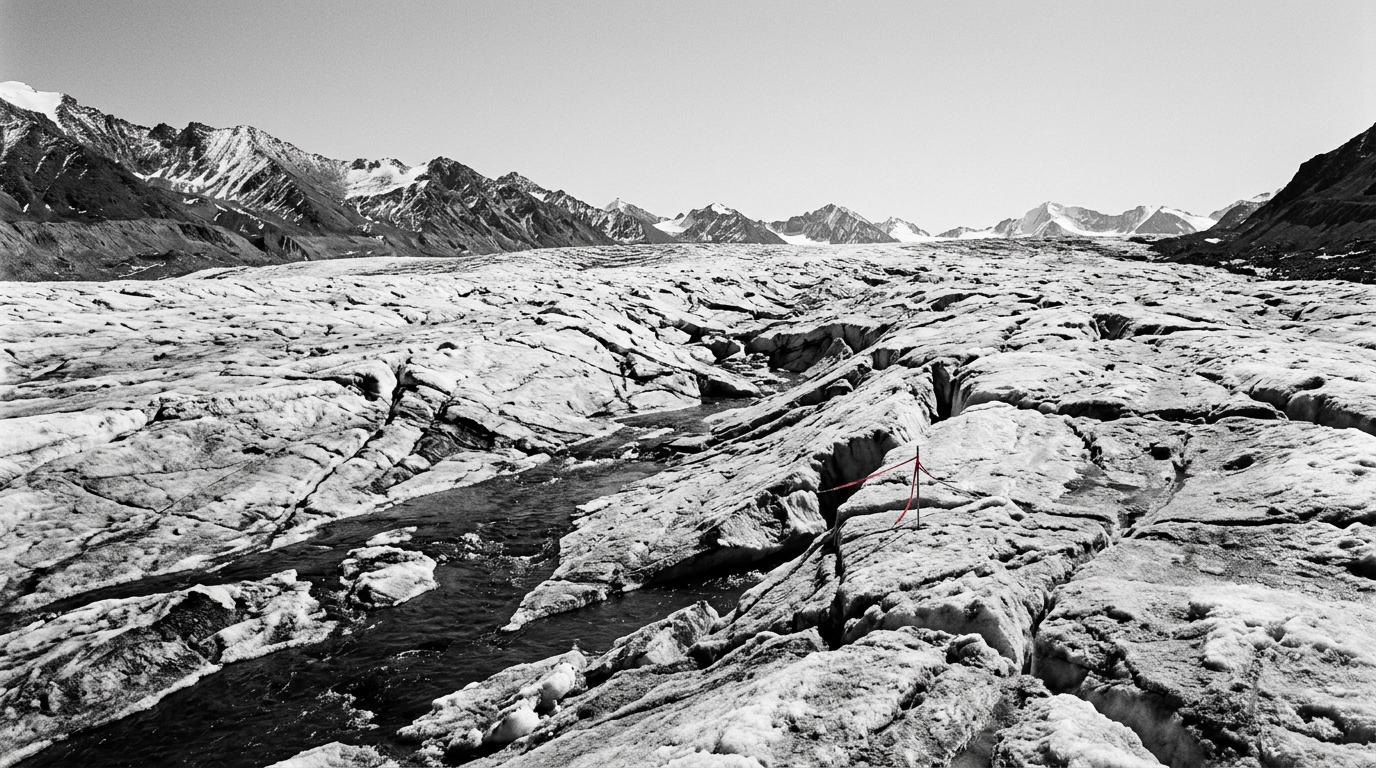
The Tibetan Plateau faces escalating risks of environmental disasters, particularly along the China-Nepal border, as glacial instability is projected to intensify. Over the past six decades, the region has experienced a significant 24% reduction in its total glacial area, leading to the disappearance of approximately 7,000 individual glaciers. Experts warn that this trend is expected to persist, contributing to a higher frequency of catastrophic events.
A recent and devastating incident near Langtang Lirung tragically highlighted the human cost of these glacial collapses. This event resulted in more than 1,100 confirmed fatalities in Nepal and an additional 21 deaths in China. Thousands of people remain unaccounted for following the disaster. The sheer speed of the collapse was notable, with debris traveling 22 kilometers in just seven minutes, overwhelming established early warning systems and evacuation protocols.
Cross-Border Response and Vulnerabilities
In the aftermath of the extensive damage and loss of life, China and Nepal initiated cross-border recovery operations. Key priorities for these efforts include logistics and infrastructure restoration, such as the reopening of vital transportation links like the Gyirong Port. Authorities from both nations have deployed forensic teams to assist with victim identification and emergency support personnel to manage the ongoing crisis and provide humanitarian aid.
The incident at Langtang Lirung serves as a critical reminder of the urgent necessity for enhanced cross-border disaster management protocols and a thorough reassessment of infrastructure resilience across the high-altitude region. The interconnected nature of ecosystems and communities means that glacial events can trigger a cascade of secondary impacts, extending their destructive reach far beyond the immediate collapse site.
Future Projections and Broader Implications
Scientific projections indicate a continued decline in the structural stability of glaciers throughout the Tibetan Plateau. This ongoing trend is expected to contribute to an increased frequency of glacial-related disasters, which are not only likely to become more common but also have the potential to grow in intensity. Such developments present escalating challenges for local populations and regional governance structures.
Given the Tibetan Plateau's crucial role as the 'Water Tower of Asia,' changes in its glacial systems carry broader implications for water resources, agricultural practices, and ecosystems across vast downstream areas. Understanding and mitigating these risks are therefore paramount for maintaining regional stability and fostering sustainable development. A re-evaluation of current emergency response capabilities and the development of more robust, collaborative strategies between China and Nepal are deemed essential steps to prepare for future challenges posed by climate change and a dynamic glacial environment.