

India Approves 1 Million Tonne Sugar Imports Amid Price Surge
India has sanctioned the import of one million tonnes of sugar, the first in a decade, to stabilize domestic prices after a 40% rise.
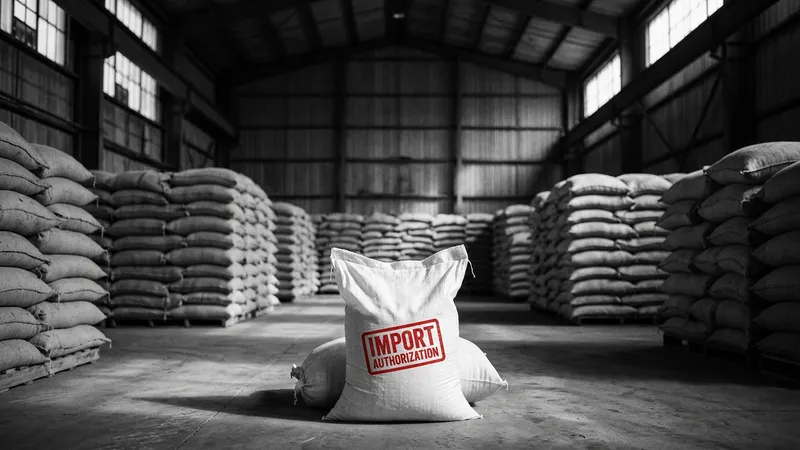
India has authorized the import of one million tonnes of sugar, a decision taken to counteract a significant surge in domestic market prices. This marks the first such import approval in nearly ten years for the nation, which stands as the world's largest sugar consumer. Domestic sugar prices have climbed by 40 percent over the past two months, coinciding with the country's peak festive and wedding season, when demand traditionally intensifies.
The imperative for these imports stems from a substantial downward revision of national sugar production forecasts. Projections for the 2025-2026 season are now set at an estimated 30.6 million tonnes, indicating an 11 percent reduction from initial expectations. This anticipated shortfall is attributed to several factors, including irregular monsoon rainfall patterns, the spread of sugarcane diseases, and the diversion of approximately three million tonnes of sugar for national ethanol production mandates.
Addressing Domestic Market Volatility
Current supply challenges have been exacerbated by a previous governmental decision to permit the export of 800,000 tonnes of sugar. This export allowance was granted before the full extent of the domestic supply deficit became clear. Analysts suggest that ongoing structural production declines in key sugar-producing regions, specifically Maharashtra and Uttar Pradesh, indicate that supply pressures are likely to persist through the remainder of the harvest cycle.
To mitigate further price volatility and ensure sufficient domestic supply, authorities have implemented additional measures. Refineries operating within special economic zones are now permitted to sell duty-free sugar directly into the local market. Furthermore, the government has imposed stock limits of 400 tonnes for sugar wholesalers, a strategic move designed to prevent hoarding and curb speculative price increases, which industry representatives contend have contributed to recent market spikes.
Long-Term Supply Dynamics
Despite these immediate interventions, fundamental production issues remain a central concern for India's sugar market. A key question is whether the authorized imports, combined with the recently enacted domestic regulations, will be adequate to fully offset the reported production shortfall. The country's prior experience nearly a decade ago, when similar imports were necessitated by severe drought conditions, highlights the inherent vulnerability of its sugar supply to adverse weather patterns and other agricultural challenges.
The current reliance on imports underscores a broader challenge for India in balancing its significant domestic consumption, ambitious ethanol production targets, and the critical need to maintain price stability. As a major participant in the global sugar market, India's internal supply dynamics carry considerable implications for international sugar prices and global trade flows. The effectiveness of the current measures will be closely observed as the festive season progresses and final new crop yields are determined.
More stories
- Houthis claim Riyadh airport strike as injuries reported
- Germany Reaffirms Russia Sanctions Amid Potential US Policy Shift
- China beats Thailand 2-0 to reach junior badminton final
- Russia and China Block US Push for Nationwide Sudan Arms Embargo
- Report of US pressure on Israel over Iran strikes tests Washington posture
- Trump administration sanctions International Criminal Court
- US Shifts Iran Strategy to Sanctions, Maritime Pressure
- Jeju Island Discoveries Spark South Korea Police Reform Push
- Citi Trends Boosts FY26 Outlook Amid Strong Sales Growth
- Trump Considers Lake Ontario Renaming Amid Trade Spat