
US Shifts Iran Strategy to Sanctions, Maritime Pressure
The United States is transitioning to an intensified sanctions-led campaign against Iran, replacing military strikes and increasing long-term oil and…
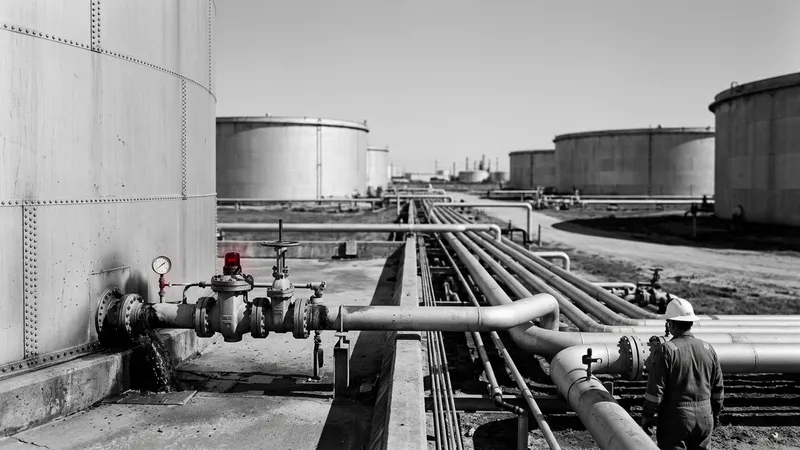
The United States has formally transitioned its strategy toward Iran from military strikes to an intensified campaign of sanctions, officials confirmed on August 26, 2026. This shift aims to exert economic pressure on Tehran, moving away from direct kinetic action. This new approach, however, introduces elevated long-term risks for global oil markets and the international shipping industry.
Key components of the revised strategy include a significantly intensified maritime blockade and expanded financial sanctions. This recalibration is expected to reduce the immediate likelihood of a direct military confrontation but amplifies economic and naval pressure as primary tools of statecraft. Market participants are currently evaluating the potential impact on freight costs and insurance premiums, anticipating shifts in operational expenses for maritime trade.
Strait of Hormuz Implications
Iranian officials have stated their unwavering resolve to maintain control over the Strait of Hormuz, a critical international shipping lane. This stance creates uncertainty, as any actions by Iran to enforce its claim could lead to higher tanker insurance rates and slower delivery times for goods transiting the region. The global energy sector, particularly, relies heavily on uninterrupted passage through the Strait for crude oil and liquefied natural gas shipments.
The transition underscores a broader geopolitical strategy focused on economic strangulation rather than military engagement. While military strikes carry immediate and volatile risks, a prolonged sanctions regime can steadily erode a nation's export capabilities and economic stability over time. This sustained pressure could eventually achieve similar strategic objectives without direct military intervention.
Market Monitoring and Future Outlook
Traders and shipping companies are closely monitoring several indicators to gauge the campaign's market impact. These include changes in vessel routing preferences, fluctuations in insurance rates, and the availability of refinery feedstocks. The interplay of these factors will determine the broader economic consequences of the new US policy.
A critical near-term test point is set for September 30, 2026. Market observers will be watching closely to see if Iran follows through on its threats regarding the Strait of Hormuz. The situation around this date will provide insights into how effectively sustained sanctions and naval presence influence seaborne oil and shipping patterns. This period will be crucial for assessing the efficacy and consequences of the United States' new, sanctions-heavy approach to Iran.
More stories
- Houthis claim Riyadh airport strike as injuries reported
- Germany Reaffirms Russia Sanctions Amid Potential US Policy Shift
- China beats Thailand 2-0 to reach junior badminton final
- Russia and China Block US Push for Nationwide Sudan Arms Embargo
- Report of US pressure on Israel over Iran strikes tests Washington posture
- Trump administration sanctions International Criminal Court
- Jeju Island Discoveries Spark South Korea Police Reform Push
- Lockerbie Bombing Suspect Al Amin Fhimah Dies at 70
- US Kindergarten MMR Vaccination Rates Dip Amid Rising Exemptions
- Middle East Diplomacy Shifts Regional Alignments, Impacting Israel