India rice production projected to drop 6.5% this year
Monsoon rainfall was about 15% below the seasonal average, cutting output; officials say large stockpiles may limit immediate domestic shortages.
Mateo Fernandez ·
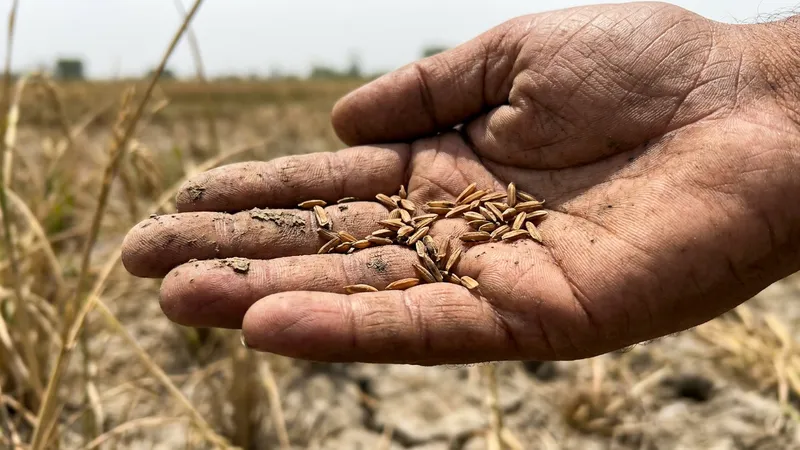
India's rice production for 2026-27 is projected to fall 6.5% from a year earlier, a shortfall that could squeeze farmer incomes and alter supply balances.
Monsoon 15% Below Average
Data showed the projection follows monsoon rainfall that was about 15% below the seasonal average, prompting downward revisions to yield and cultivated-area forecasts in several key producing states.
Data showed high government stockpiles remain large, and officials said those reserves are likely to prevent critical shortages in domestic markets for now. How those stocks are released and how much the procurement agencies buy will influence local price pressure.
Officials said policy choices on procurement, domestic sales and potential export curbs will determine whether the shortfall tightens global rice supplies and affects commodity-market prices. Traders and millers will watch state buying and interventions for signs of tightening or easing.
Officials said harvest reports and official procurement tallies, due by December 31, 2026, will clarify whether current reserves offset the 6.5% shortfall and whether further policy steps are required.
Global Market Strain
Following the projected decline in output, decision-makers in New Delhi are likely to tighten regulatory oversight on domestic grain allocations while evaluating targeted restrictions on outward trade flows. If export curbs are reimposed, international agricultural markets could experience price volatility, placing renewed fiscal and food security strains on import-dependent nations across West Africa and Southeast Asia. The primary economic risk lies in a prolonged supply imbalance if government procurement fails to sufficiently replenish strategic reserves, potentially exacerbating domestic food inflation. Conversely, robust existing buffers offer a vital stabilization window, allowing authorities to recalibrate market interventions without triggering severe domestic shortages. Historically, climate-driven yield contractions in major agrarian economies have demonstrated how swiftly domestic policy shifts can ripple through global commodity supply chains. Ultimately, the broader economic fallout will hinge on whether impending harvest tallies prompt preemptive trade restrictions or measured releases from national stocks in the coming months.