Gold steadies near $4,290 before Fed rate decision today
Gold steadied near $4,290 an ounce as traders priced a 92% chance of a Fed rate increase and watched rising Treasury yields.
Atlas Newsdesk ·
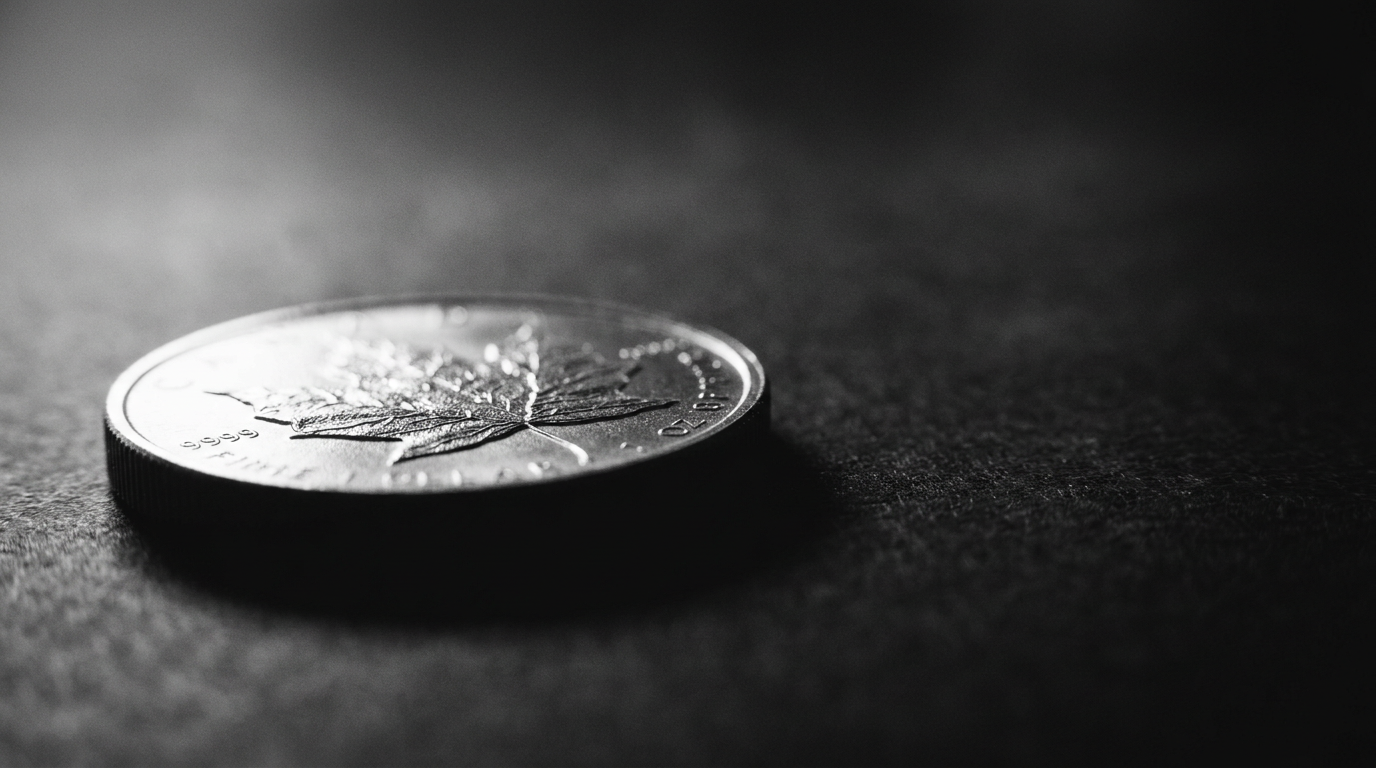
Gold steadied near $4,290 an ounce as traders priced a 92% chance of a Fed rate increase and watched rising Treasury yields.
The pause followed a two-day decline in bullion and came before the Federal Reserve’s policy decision later Wednesday. The metal was trading around its 50-day moving average, a level traders often use to judge whether short-term momentum is holding or weakening.
The 92% Fed wager
Interest-rate expectations have hardened as elevated oil prices kept inflation risk in focus. Traders were pricing a 92% probability that the Fed would raise rates, which would mark its first increase since 2023.
Higher borrowing costs usually weigh on gold because the metal does not pay interest. When Treasury yields rise, cash and bonds can become more competitive against bullion for investors seeking income or protection from inflation.
Christopher Wong, a strategist at Oversea-Chinese Banking Corp., framed the decision as only part of the market test. "With markets already pricing a high chance of a Fed hike this week, the main uncertainty is less about the hike itself, and more about what comes after," Wong said.
The 5.04% yield signal
The 10-year US Treasury yield rose as much as 5 basis points to 5.04% on Tuesday, its highest level since 2007. The yield is a benchmark for borrowing costs across mortgages, corporate debt and sovereign markets, so moves at that maturity can ripple well beyond government bonds.
The rise came during a global bond selloff as investors tracked strong capital investment and higher energy prices. Bond prices move inversely to yields, meaning the increase in the 10-year rate reflected lower prices for that debt.
If Fed Chairman Kevin Warsh signals that additional tightening remains possible, Wong said gold may be more vulnerable. He added that bullion could move toward $4,000 an ounce if support at $4,250 breaks, placing that level at the center of near-term trading.
Saudi pipeline risk spreads
Oil steadied after a two-day gain while markets waited for clarity on Saudi Arabia’s East-West pipeline, which was shut after attacks last week. The route had allowed millions of barrels a day to avoid the Strait of Hormuz, one of the world’s most closely watched energy chokepoints.
Saudi Aramco is delaying deliveries to some European customers, linking the disruption directly to refiners and buyers outside the Gulf. If the shutdown persists, delayed cargoes could keep energy costs elevated, reinforcing inflation concerns and adding pressure on rate-sensitive assets such as gold.
If the pipeline returns quickly and oil prices ease, the inflation channel facing the Fed would look less forceful. That would not remove the 92% hike pricing by itself, but it could reduce pressure on long-term yields if investors judge the energy shock to be temporary.
Three paths for bullion
If the Fed raises rates and keeps future increases on the table, the macro effect would be tighter global financial conditions through higher yields and a stronger discount rate. For gold, the mechanism is a higher opportunity cost; for precious-metals markets, it could shift flows toward income-bearing assets.
If the Fed raises rates but sounds cautious about additional moves, bullion could find support from investors who see the tightening cycle as limited. In that case, the wider metals sector would still face pressure from high real yields, but the immediate risk of a deeper break below $4,250 would be lower.
If the Fed holds rates steady or Warsh gives little guidance, traders may demand higher long-term yields to compensate for inflation risk. That path would put fresh attention on oil supply, Saudi Aramco’s delivery schedule and whether the bond selloff extends beyond the 5.04% level reached Tuesday.