

India and United States Advance Bilateral Trade Agreement Negotiations
India and the United States are actively negotiating an interim trade agreement, focusing on customs and tariff frameworks to overcome previous legal and…
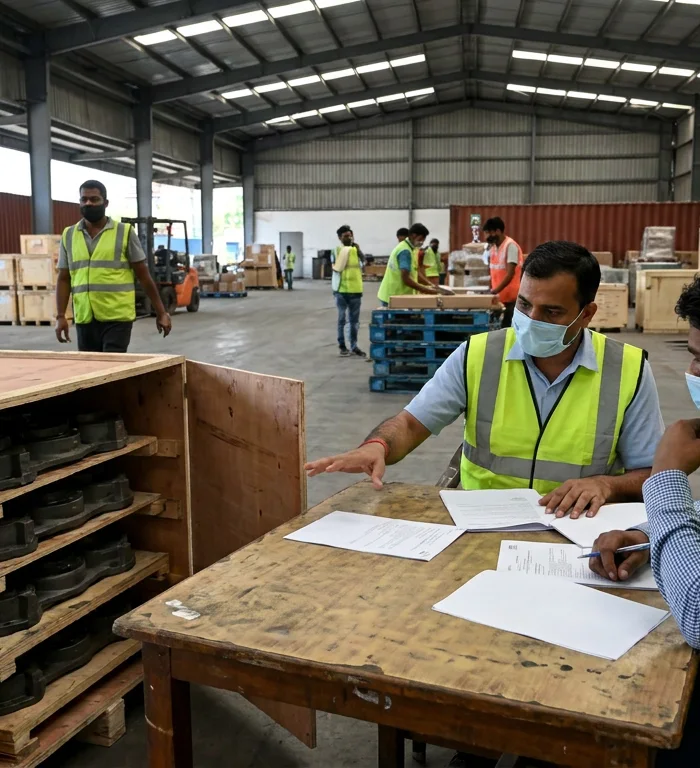
Indian and United States officials recently concluded discussions in New Delhi focused on customs and trade facilitation. These talks represent a continued effort to finalize an interim bilateral trade agreement, despite previous delays caused by shifts in the United States' tariff regime and legal challenges regarding preferential tariff mechanisms.
Negotiations for this agreement have been ongoing since early 2025. While a framework for an interim deal was established in February 2026, the subsequent invalidation of the legal basis for specific preferential tariffs by the United States Supreme Court necessitated a recalibration of the terms. Indian authorities are currently awaiting a revised framework that ensures competitive market access for domestic exporters.
Despite the outcome of recent midterm elections in Despite the outcome of recent midterm elections in the United States, officials from both nations have indicated that the momentum toward a trade deal remains intact. The relationship is characterized by broad economic, political, and security imperatives that transcend individual trade negotiations. Both governments have expressed a commitment to finalizing a reciprocal and mutually beneficial arrangement.
Institutional risks remain centered on the volatility of Institutional risks remain centered on the volatility of United States trade policy and the historical use of tariffs as a primary negotiating instrument. Experts note that these uncertainties have previously hindered the conclusion of the agreement. Moving forward, stakeholders should monitor the development of a new preferential tariff framework, as this remains the primary prerequisite for India to commit to the final terms of the deal.
Beyond trade, the bilateral relationship continues to expand across sectors including defense, pharmaceuticals, information technology, and space exploration. The stability of these broader strategic ties is expected to provide a buffer against potential friction in trade-specific negotiations.
More stories
- COP31 climate talks collapse over fossil fuels and funds
- Russian military faces 1,087 recorded suicides in Ukraine war
- US faces China, Russia in Africa minerals contest
- Russian war deaths top 460,000, Guardian says
- Monrovia mayor-designate seeks $14.5m city budget
- Iran's attacks hit 25 tankers near Strait of Hormuz
- Spanish workers stage first general strike in 14 years
- Singapore faces 400-post Indonesia disinformation push
- North Korea fires about 10 missiles before border deadline
- EU faces AI gaps with 90% rare-earth reliance on China
Latest news
- Macy’s parade faces balloon limits as storm winds approach
- Highly diversified investors report 91% confidence in retirement
- Nvidia board gets Trump input on Jensen Huang return as CEO
- Rwanda faces budget strain from 85% electricity access push
- ICE arrests at Seattle airport draw protests and scrutiny
- AI doubts leave Asian stocks facing a new investment test