India seeks authority while preserving strategic autonomy
India is positioning its neutrality, Global South role and UNSC reform push as tools for influence without formal alignment.
Mateo Fernandez ·
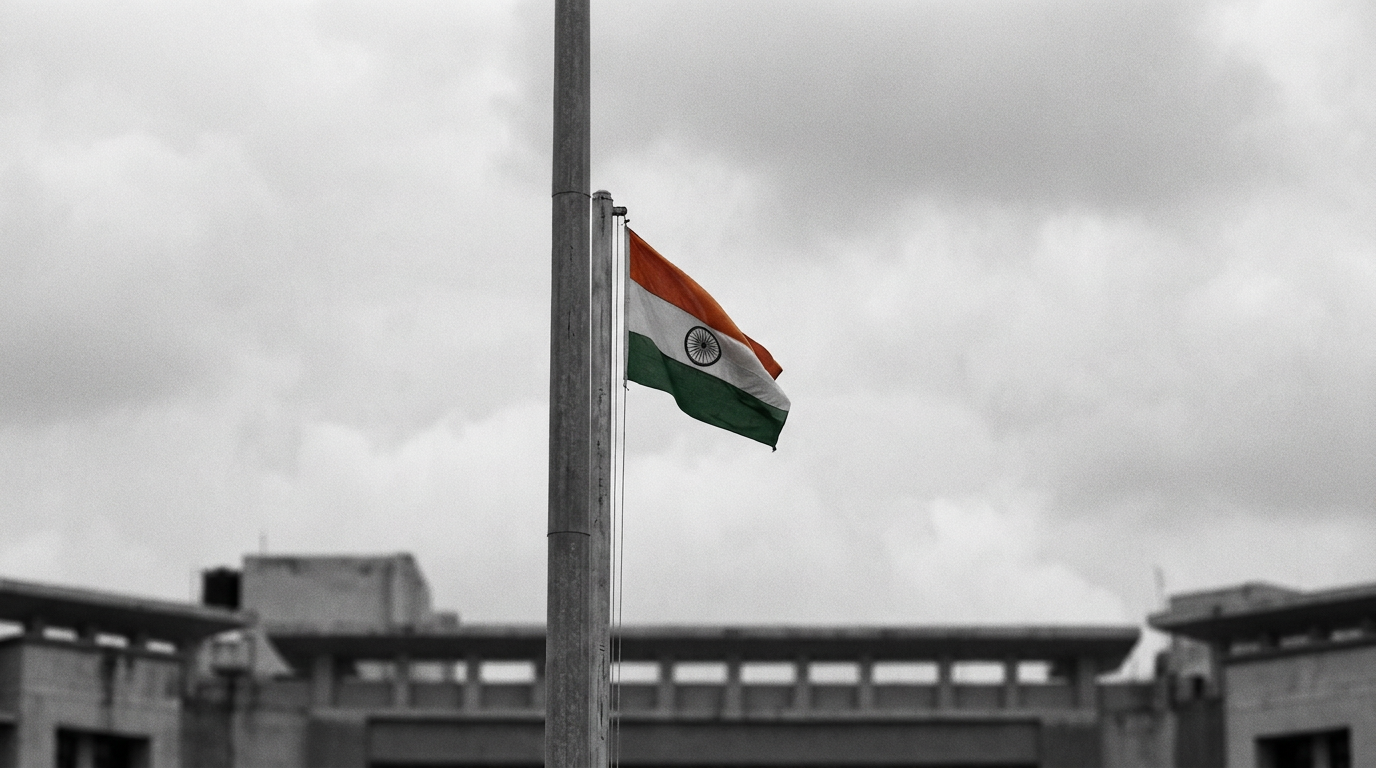
India’s foreign-policy debate turned on July 3 to whether New Delhi can convert influence into authority while keeping its long-held strategic autonomy intact. The assessment described India as avoiding rigid blocs in major crises while pressing for a larger voice in global institutions, including reform of the UNSC.
No immediate market reaction was available. The geopolitical relevance sits in the longer channel: if India can remain useful to competing powers without choosing sides, it may gain diplomatic leverage across trade, security and development forums.
India tests nonalignment with ambition
The argument rests on a tension in Indian policy. New Delhi wants recognition as a leading power, but it also treats development priorities as a constraint on foreign-policy risk. That helps explain why officials often frame external choices around energy security, technology access, investment flows and domestic growth rather than ideological alignment.
The Global South role is central to that approach. India is seeking to speak for countries that want more influence over finance, climate funding, debt rules and representation in multilateral bodies. The UNSC reform push gives that campaign an institutional target, even though the payload did not cite a fresh vote, deadline or negotiating text.
If India’s balancing strategy holds, the macro effect would be a less binary geopolitical map, with trade and investment channels staying open across rival camps. For India, the payoff would be greater convening power without treaty-bound obligations. For the wider diplomatic sector, the risk is slower consensus when crises demand alignment.
If pressure from major powers rises instead, India’s room to maneuver could narrow. By July 31, 2026, the clearest signal to track is whether officials attach the autonomy language to concrete positions on UNSC reform, crisis diplomacy or Global South financing.