Iranian economy strain deepens amid job losses, bans
Iranian economy strain is intensifying in Tehran, with job losses, bread prices tripling, and internet restrictions lasting over 50 days.
Lauren Collins ·
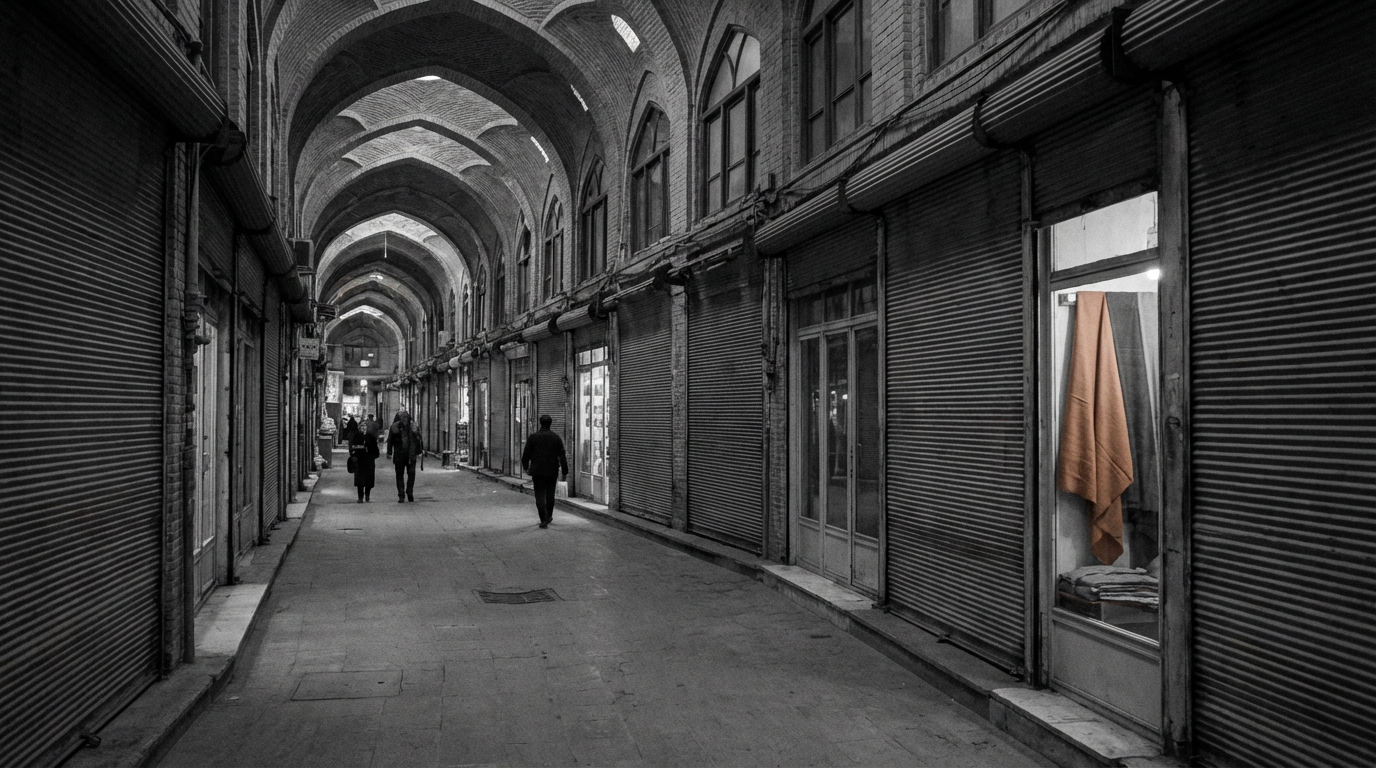
Tehran, Iran — Iran’s economy is under acute stress, with residents reporting job losses, sharp price increases, and prolonged internet restrictions that are disrupting daily life and business activity. The downturn is unfolding alongside regional tensions and domestic political challenges, adding pressure to households and small firms across the capital.
Unofficial estimates indicate that up to four million jobs have been lost or affected, with the damage linked to a combination of regional conflict and government-imposed internet shutdowns. The strain is also showing up in consumer prices, with basic items becoming harder to afford; bread has been reported as having tripled in price. These developments are contributing to a sense of economic insecurity that is visible in many parts of Tehran.
Internet restrictions have been in place for more than 50 days , limiting access to online services that many people use to earn income or run businesses. The disruption is particularly significant for an estimated 10 million individuals who rely on digital connectivity for their livelihoods, according to the figures cited in the source material. With online commerce and communication constrained, the restrictions are described as a direct drag on economic activity.
Officials have publicly called for the bans to be lifted, including Communications Minister Sattar Hashemi , but security forces have maintained that the restrictions will remain as long as they believe external threats persist. That stance has left businesses and workers facing uncertainty about when normal connectivity might resume, and it has reinforced concerns about the broader operating environment for commerce.
Across Tehran, the impact is uneven. Some affluent districts are described as retaining a degree of normalcy, while working-class residents are bearing a heavier burden from higher living costs and weaker job conditions. The hardship is also reflected in struggling small businesses and heightened anxiety about day-to-day expenses.
The social and political backdrop is also shifting. The source material describes a visible security presence and notes reduced compliance with mandatory dress codes among women, linked to the legacy of recent protests. Public sentiment is portrayed as divided, with some residents wanting conflict resolution while others express the view that war could eventually lead to improvement, underscoring the depth of frustration and uncertainty.