Netanyahu criticized after Iran-US ceasefire deal
Netanyahu faces domestic backlash after an Iran-US ceasefire, with opposition leaders calling it a strategic failure in an election year.
Lauren Collins ·
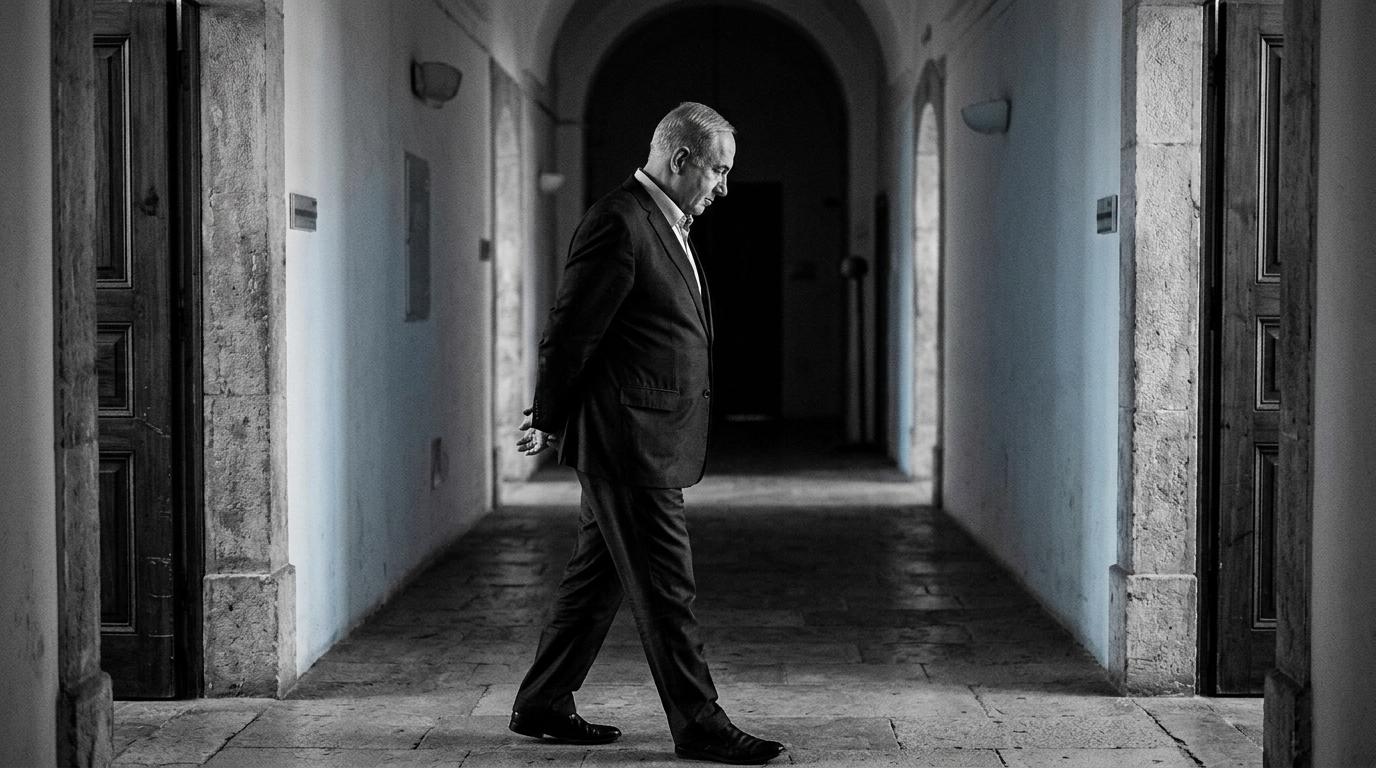
Israeli Prime Minister Benjamin Netanyahu is facing intensified domestic criticism after a ceasefire agreement between Iran and the United States , reached following a month-long conflict . Opposition figures have portrayed the outcome as a major setback, arguing that Israel’s stated aims were not met and that the process left Israel on the sidelines of key decisions.
Yair Lapid , an opposition leader, said Israel was excluded from crucial decision-making and accused Netanyahu of failing to deliver on objectives he had set. Lapid said Netanyahu “failed politically, failed strategically, and did not achieve any of the goals he himself set,” framing the ceasefire as evidence of diminished Israeli influence over a high-stakes regional outcome.
Yair Golan , who leads the left-wing Democrats party, offered an even harsher assessment. He called the ceasefire “one of the most severe strategic failures Israel has ever known,” and argued that the agreement could undermine Israel’s security for years. His criticism focused on the longer-term consequences he believes may follow from the terms and the way the conflict ended.
Critics have pointed to what they say did not happen during the conflict and its aftermath: there was no regime change in Iran, no seizure of highly enriched uranium, and no major reduction in Iran’s state capabilities. Instead, opponents argue that the Islamic Revolutionary Guards Corps emerged stronger, while Iran’s central objective—surviving the assault—was achieved.
These claims have been used to argue that the ceasefire locked in an unfavorable balance rather than improving Israel’s security position.
The outcome has also been described by critics as harmful to Israel’s international standing, particularly in the United States . According to the account cited by opponents, support for Israel is at historic lows among some political factions, adding a political dimension abroad to the security debate at home. In Israel, Netanyahu is under added strain in an election year , with opponents arguing he has not delivered on major promises tied to national security.
Some critics have focused on the reported ceasefire terms, which they say include acceptance of Iran’s right to enrich uranium. They argue this resembles elements of the 2015 international nuclear deal —an agreement Netanyahu previously opposed—raising questions in domestic politics about consistency and strategic outcomes. The full details and durability of the ceasefire, as described by opponents, remain central uncertainties as the political debate continues.