Trump Warns Iran: Hormuz Blockade Means Infrastructure Strikes
Trump threatens Iran infrastructure on April 5, 2026, demanding the Strait of Hormuz be opened as regional tensions intensify.
Lauren Collins ·
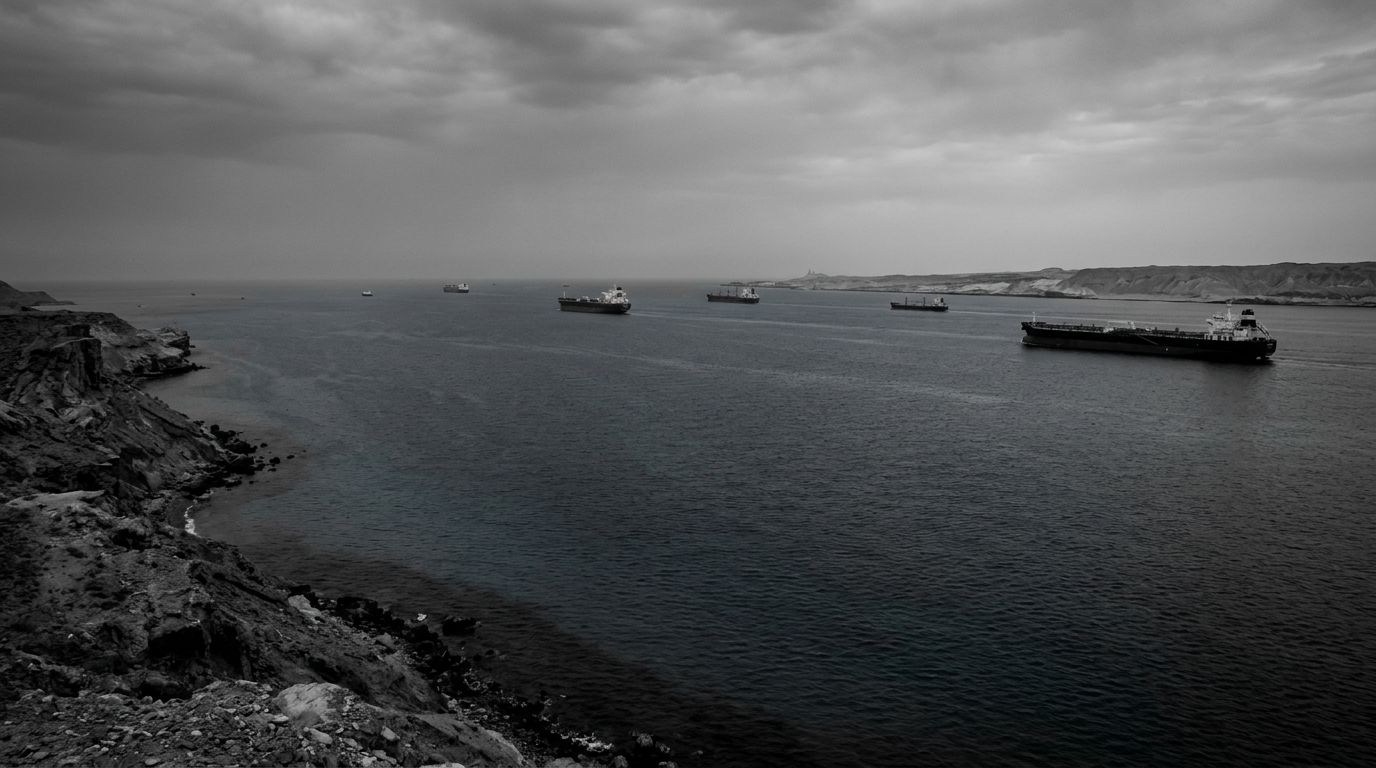
Former U.S. President Donald Trump posted a warning on social media on Saturday, April 5, 2026, directing pressure at Iran over access to the Strait of Hormuz. In a message on Truth Social, Trump demanded that the waterway be opened and signaled possible strikes on Iranian infrastructure. He wrote that “Tuesday will be Power Plant Day, and Bridge Day, all wrapped up in one, in Iran,” explicitly naming power plants and bridges as potential targets.
The post came as reports described a worsening security picture across the Middle East. Earlier accounts said Iranian drone attacks had caused significant material losses at Kuwaiti energy facilities, adding to concerns about the resilience of regional energy infrastructure. Separately, the same period saw an Israeli strike in south Beirut, while reports also referenced U.S.-Israeli operations in Iran.
On Saturday, U.S. forces were reported to have rescued a second crew member from a downed F-15 fighter jet. Trump confirmed that rescue on Truth Social. Other reports said at least five people were killed in U.S.-Israeli attacks during the rescue operations in Iran, underscoring the risks surrounding the incident and the broader military activity described in the reporting.
The latest threat also followed an earlier ultimatum attributed to Trump. Iran had previously rejected a 48-hour deadline set by Trump to reach a deal, according to the account provided. The combination of a rejected ultimatum, reported cross-border operations, and explicit references to infrastructure targeting contributed to a picture of rapidly escalating tension.
For global markets and policymakers, the Strait of Hormuz remains a focal point because it is a critical international shipping lane. The source material frames Trump’s demand around keeping the strait open, while also highlighting the potential for direct military action against infrastructure. The reported damage at Kuwaiti energy facilities adds another layer of sensitivity for energy stakeholders, given the concentration of production and export capacity in the Gulf.
Key uncertainties remain in the account as presented, including how Iran would respond to the threat and how the reported operations might evolve. The situation described is volatile, with multiple reported flashpoints—Kuwait’s energy facilities, south Beirut, and activity inside Iran—occurring alongside explicit warnings tied to a major maritime chokepoint.
The developments collectively point to heightened regional instability with potential consequences for international shipping routes and broader geopolitical risk.