Erosion of Maritime Rescue Norms Challenges International Law
Political and security-driven agendas are increasingly undermining the universal maritime obligation to rescue individuals in distress, threatening…
Lauren Collins ·
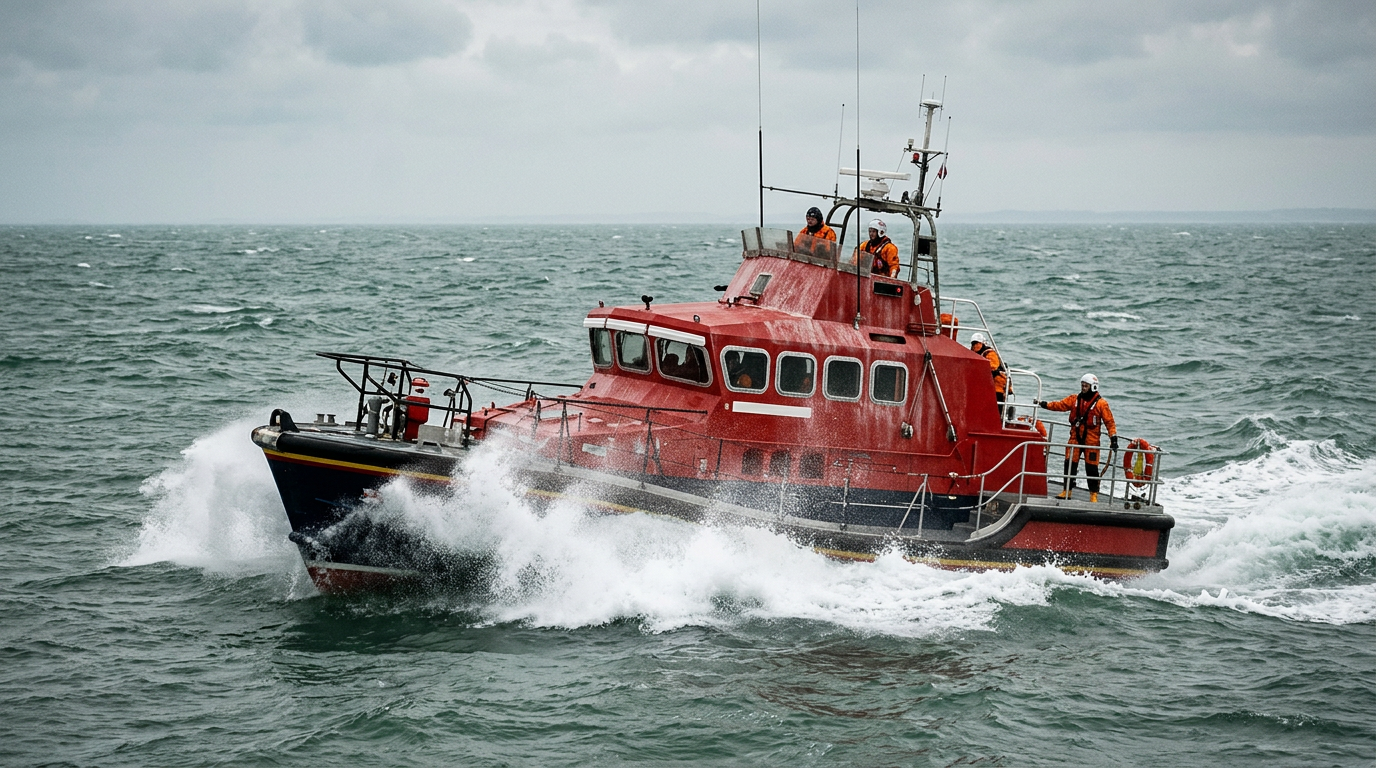
The international legal framework governing maritime rescue, established primarily by the 1914 Convention on the Safety of Life at Sea (SOLAS), faces increasing pressure due to shifting political priorities. While the convention mandates that shipmasters render assistance to any person in distress at sea, domestic political tensions are now challenging the universal application of this duty, according to a recent analysis.
In the United Kingdom, humanitarian rescue organizations, such as the Royal National Lifeboat Institution (RNLI), are encountering public hostility and physical interference when assisting migrants attempting unauthorized Channel crossings. This domestic friction threatens to undermine the long-standing maritime tradition of prioritizing life-saving operations over the legal status of those in distress.
State Actions Undermine Treaty Obligations
State actors are increasingly prioritizing security and border enforcement over established humanitarian obligations. For instance, reports highlight that military operations by the United States in the Caribbean and Pacific have targeted vessels without apparent regard for the potential presence of individuals in distress.
United Kingdom
This divergence between specific state practices and international treaty obligations risks eroding the global consensus that has governed maritime safety for over a century. The original SOLAS convention, signed on January 20, 1914, by 14 countries including the United States and the United Kingdom, became the global standard after being updated three times, with nearly all nations now signatories.
Future of Sea Rescue Uncertain
The core principle of assisting those in peril at sea, solidified after the 1912 Titanic disaster, now faces fundamental challenges. The trajectory of these tensions could lead to increased legal ambiguity for rescue operations, potentially escalating humanitarian risks in critical maritime zones.