NY14:28
    LDN19:28
    HKG02:28
    TYO03:28
    Gold4,525+0.64%
    Bitcoin77,401+0.88%
    Gold4,525+0.6%
    Bitcoin77,401+0.9%
    LATEST NEWS
    Sean McVay admits mishandling Jared Goff trade communication in 202120 minutesReports link Aaron Rodgers’ Steelers decision to timing of 2026 NFL schedule26 minutesNFL engages with Florida attorney general over diversity-hiring probe37 minutes2027 NFL mock draft projects Arch Manning No. 1 using 2026 orderabout 2 hoursMavericks dismiss Jason Kidd; Knicks stun Cavaliers with record Game 1 rallyabout 3 hoursNorth Korean side Naegohyang reach AFC Women’s Champions League final in Suwonabout 4 hoursSean McVay admits mishandling Jared Goff trade communication in 202120 minutesReports link Aaron Rodgers’ Steelers decision to timing of 2026 NFL schedule26 minutesNFL engages with Florida attorney general over diversity-hiring probe37 minutes2027 NFL mock draft projects Arch Manning No. 1 using 2026 orderabout 2 hoursMavericks dismiss Jason Kidd; Knicks stun Cavaliers with record Game 1 rallyabout 3 hoursNorth Korean side Naegohyang reach AFC Women’s Champions League final in Suwonabout 4 hours
    Global Affairs

    IMF warns global recession risk from Hormuz blockade

    IMF warns the Strait of Hormuz blockade could spark an energy shock, lifting inflation and cutting global growth under multiple scenarios.

    Published14 Apr 2026, 13:36:27
    IMF warns global recession risk from Hormuz blockade
    A360
    Key Takeaways✦ Atlas AI
    01

    Global recession risk elevated by conflict.

    02

    Energy crisis threatens economic stability.

    03

    Oil price surges impact global growth.

    Atlas AI

    Atlas AI

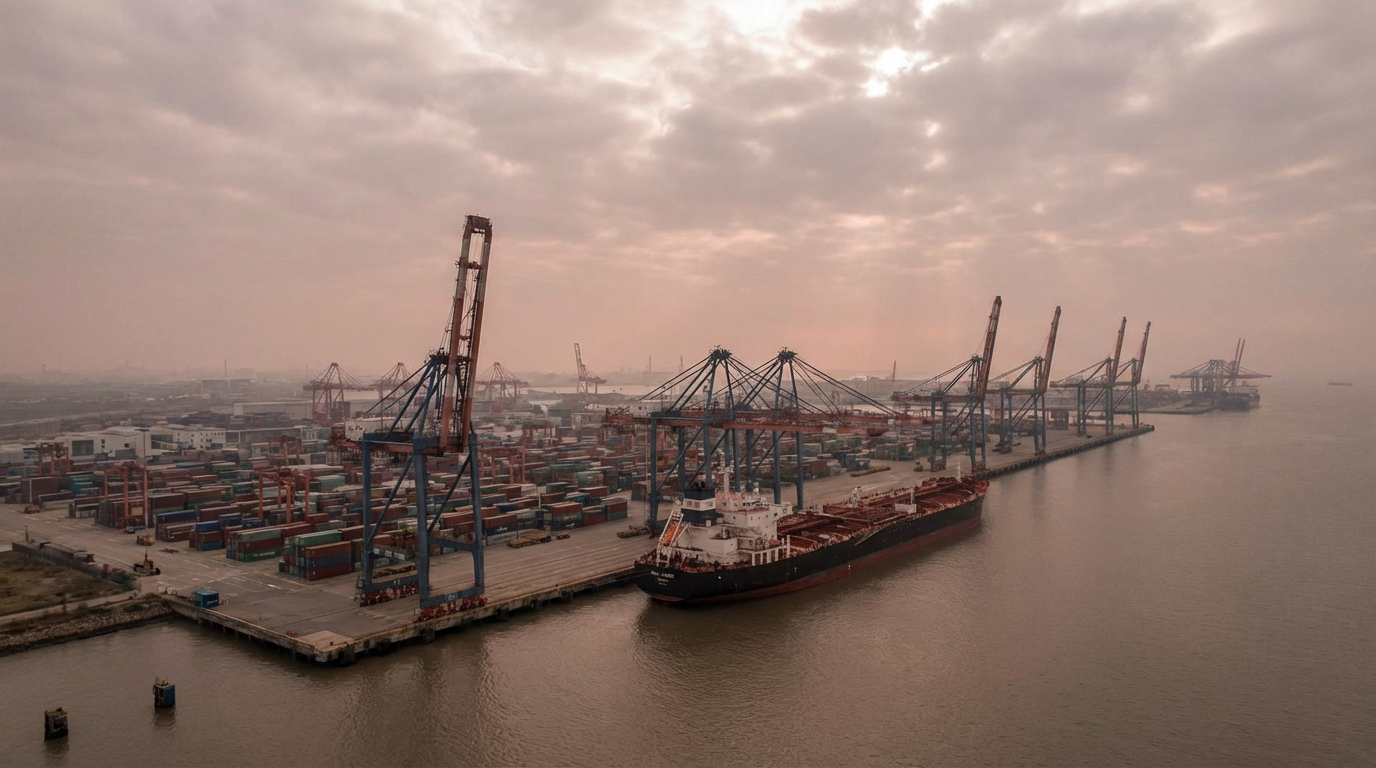
    The International Monetary Fund (IMF) warned this week that the ongoing conflict involving the United States, Israel, and Iran could escalate into an energy shock large enough to push the world economy toward recession. The IMF said the risk is tied in particular to the U.S. blockade of the Strait of Hormuz, a key route for global energy shipments, and to the possibility of damage to critical energy facilities.


    The warning was published in the IMF’s latest World Economic Outlook and coincided with Australian Treasurer Jim Chalmers attending the IMF’s spring meetings in Washington D.C. In comments linked to the report, IMF chief economist Pierre-Olivier Gourinchas said the global economy is facing a “difficult test” because of the Strait of Hormuz closure and the risks to energy infrastructure.


    ATLAS SIGNALGeopolitics & Energy SecurityHighNow
    30d

    Escalating Geopolitical Tensions Disrupt Global Energy Transit and Trade

    The United States has initiated a naval blockade of Iranian ports and key maritime routes, including the Strait of Hormuz, in response to the collapse of peace talks with Tehran. This action has led Iran to intermittently close the Strait of Hormuz, linking its reopening to the lifting of U.S. sanctions. These developments are significantly impacting global energy flows, with jet fuel shortages already affecting European air travel, and prompting concerns from Saudi Arabia about broader maritime disruption.

    49 stories
    View Issue

    The IMF set out three scenarios to illustrate how the conflict could transmit into the global economy through oil prices, inflation, and growth. In the most severe case, the IMF said global growth could fall to 2% in 2026 if oil prices average $110 this year and $125 next year. The report noted that growth at that level has occurred only four times since 1980, typically during major economic crises.


    In a more adverse scenario, the IMF assumed oil prices average $100 per barrel through 2026. Under that path, the IMF projected global economic growth of 2.5% this year, which would be lower than the 3.3% forecast it published in January. The IMF also said global inflation would rise to 4.4% in that scenario.


    Even under a relatively benign outcome—where the IMF assumes the conflict ends within weeks and energy markets return to normal by mid-year—the report still showed spillovers. The IMF said Australia’s economic growth for 2026 is downgraded to 2%, and that inflation is expected to average 4% this year.


    The IMF’s scenarios highlight uncertainty around the duration of the conflict, the status of the Strait of Hormuz, and the extent of any damage to energy facilities. The report frames these risks as a direct channel into global markets via energy prices, with knock-on effects for inflation and growth across major economies.


    Share

    Related Articles

    Atlas360

    Sign up for Atlas Daily

    The daily global news briefing you can trust.

    every weekday·Read it now

    or
    Sign in

    Already subscribed? Sign in and we won't show you this message again.