ICJ Hears Venezuela, Guyana Essequibo Dispute
Venezuela's Delcy Rodríguez argued at the ICJ against Guyana's Essequibo territorial claims, defending Venezuela's position.
Lauren Collins ·
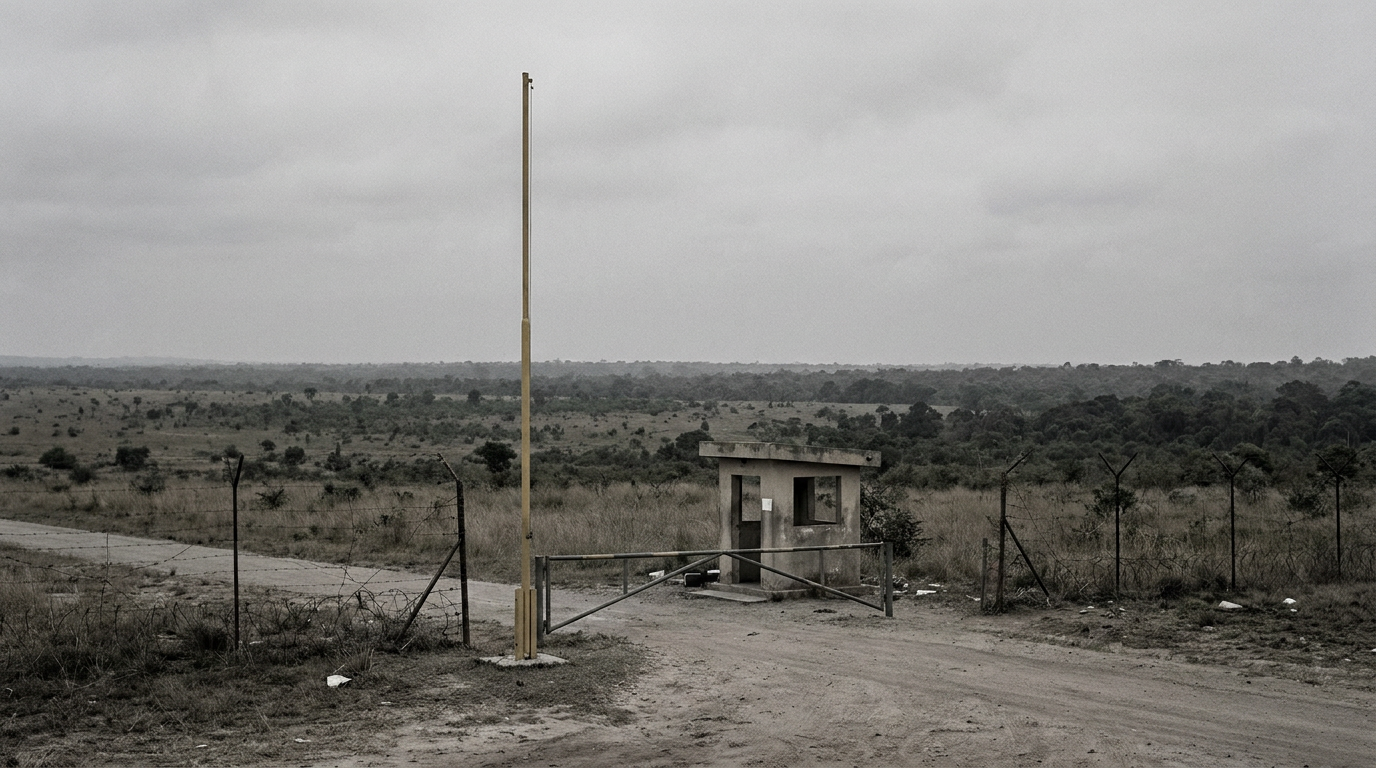
Venezuela has escalated its long-standing territorial dispute with Guyana, formally presenting its case at the International Court of Justice (ICJ) in The Hague. Acting President Delcy Rodríguez led the Venezuelan delegation, asserting the nation's historical claim over the oil-rich Essequibo region.
This marks Rodríguez's first international excursion since predecessor Nicolás Maduro's capture earlier this year. Her presence underscores the significance Venezuela places on reasserting its sovereignty over the disputed territory, a contention rooted in 19th-century colonial boundaries.
Historical Territory Dispute Re-examined
The core of the dispute revolves around the Essequibo, a resource-rich western portion of Guyana. Venezuela maintains that the territory rightfully belongs to it, rejecting the legitimacy of an 1899 Arbitral Award that delineated the border between then-British Guiana and Venezuela.
Guyana, conversely, seeks to uphold the validity of this arbitral decision, which has historically governed the land boundary. The ICJ's current proceedings are set to examine the legal merits of Guyana's argument concerning the binding nature of the 1899 award.
International Court's Role and Regional Implications
The International Court of Justice is tasked with arbitrating the validity of this century-old boundary settlement. The legal battle at the ICJ carries substantial implications for both countries, particularly given the recent discovery of vast oil reserves off the Essequibo coast.
Venezuela's intensified efforts to reclaim the territory could reshape regional geopolitical dynamics and resource control. The tribunal's decision will be closely watched by international observers, as it could influence future exploration and economic development in the area.
Rodríguez affirmed upon her arrival at the Netherlands that Venezuela holds clear title to the territory, a statement broadcast on state television. The ICJ's judgment will be crucial in settling a controversy that has persisted since the era of British colonialism in South America.