ICE plans $20M purchase of electric shock gloves
ICE aims to buy thousands of shock-emitting gloves by March 2025, setting aside up to $20 million under a DHS notice published Monday.
Atlas Newsdesk ·
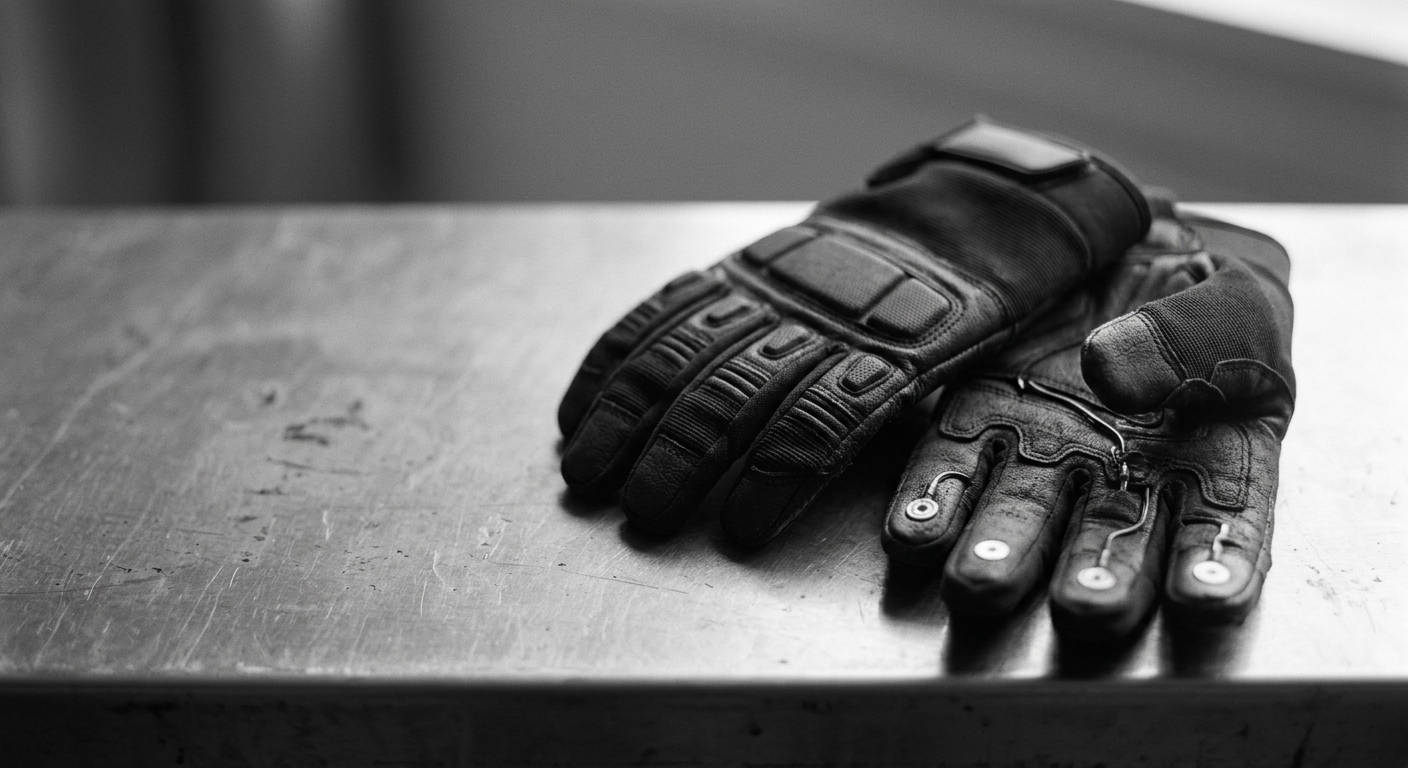
U.S. Immigration and Customs Enforcement (ICE) plans to buy thousands of electric shock-emitting gloves by March 2025, according to a Department of Homeland Security notice published Monday. The notice sets a ceiling of up to $20 million for the procurement.
The devices are described as the Generated Low Output Voltage Emitter (GLOVE) and are made by Kentucky-based Compliant Technologies LLC, the notice said. ICE has indicated the gloves are intended to become part of standard field equipment by the end of the first quarter.
How the GLOVE devices are intended to work
The mechanism is designed to function like an ordinary patrol glove until an officer activates an electrical switch, the description said. Once activated, the glove can deliver a localized shock when it contacts skin.
Compliant Technologies LLC says the device is designed to prompt compliance within three seconds and is not intended to cause permanent physical injury. The manufacturer’s description frames the effect as an immediate, sharp sensation meant to interrupt physical resistance.
Planned use during removals and physical resistance
The stated deployment approach relies on the shock sensation to distract a subject during moments of hands-on resistance, facilitating control in close contact situations. The notice and device description cite scenarios such as removing individuals from vehicles, residences, or detention facilities.
ICE has not released specific operational protocols detailing when the gloves could be used, how use would be documented, or what oversight would apply. The absence of publicly stated guidance leaves unanswered questions about training standards, reporting requirements, and accountability mechanisms tied to deployment.
Broader debate over non-lethal tools and oversight
The planned purchase is described as a significant expansion of non-lethal force technology within federal immigration enforcement. The manufacturer markets the gloves as a de-escalation tool.
Civil rights organizations have raised concerns about potential misuse and about oversight in ICE enforcement operations, according to the source material. Those groups argue that adding pain-compliance tools without clear public rules and safeguards can heighten risks during encounters.
The procurement timeline, cost cap, and product specifications outlined in the DHS notice provide a framework for the acquisition, but key details about day-to-day use remain unspecified. ICE has not provided further information in the notice on the operational limits or procedures that would govern the gloves once integrated into field equipment.