Electric Cars Could Boost UK Fuel Reserves
UK fuel reserves may stretch beyond today’s ~3 weeks if EV uptake and vehicle-to-grid grow, as recent supply shocks revive energy security concerns.
Atlas Newsdesk ·
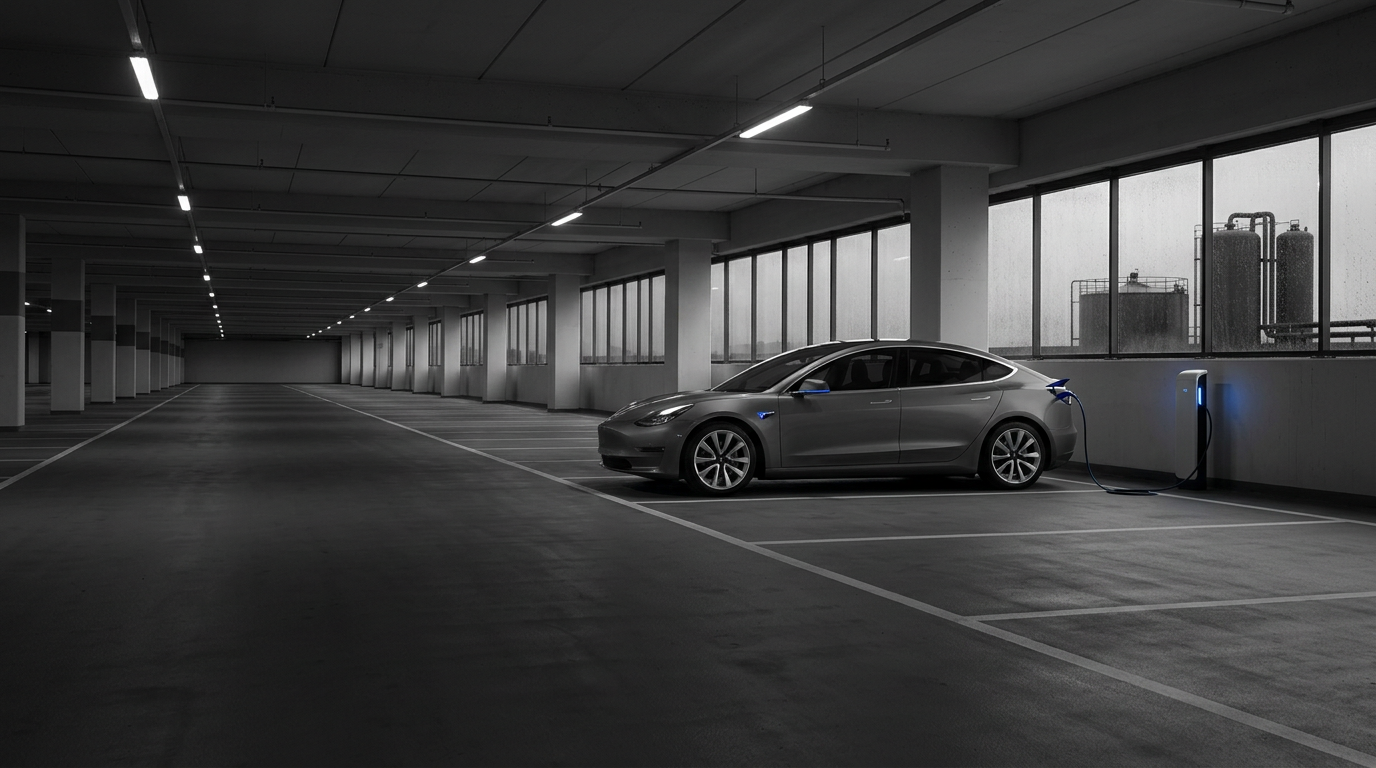
The UK could lengthen its petrol and diesel cover and strengthen power-system resilience by accelerating electric vehicle (EV) adoption and enabling vehicle-to-grid (V2G) services, based on analysis by Mandala Partners.
The assessment lands as recent global conflict risk, including the Iran war referenced in the analysis, has underscored how quickly fuel supply chains can tighten, lifting pump prices to multi-year highs and reviving debate in Europe about rationing.
Where UK fuel cover stands now
Mandala Partners estimates the UK currently holds around 21 days of petrol reserves and about 22 days of diesel reserves.
Because EVs displace liquid-fuel demand, higher electrification of the car fleet would effectively stretch those reserves further, even if the physical stockpile stayed unchanged.
What changes with higher EV penetration
The analysis compares the UK’s fully electric share of cars, put at 5.4%, with Norway’s 32% level.
Reaching Norway’s adoption rate would, in Mandala Partners’ estimate, add roughly seven extra days of petrol cover for the UK. Separately, the UK’s existing electric and hybrid fleet is already calculated to be saving about two days’ worth of fuel.
V2G as a grid stability tool
Beyond reducing petrol and diesel use, V2G would allow EVs to operate as distributed storage that can send electricity back to the grid when needed.
Mandala Partners cites an average EV battery size of about 40 kilowatt-hours, which it says can supply several days of electricity for an average UK home.
Scale assumptions and system impact
Looking to 2030, the analysis references a projection of 11 million EVs in the UK. If half of those vehicles were equipped for V2G, Mandala Partners estimates they could provide 16 gigawatts of power per day to the grid.
That daily contribution is described as close to half the output of Britain’s gas-fired power stations, implying that V2G could reduce reliance on gas generation during peak periods and help cushion energy price swings.
Constraints and what remains uncertain
The analysis flags two near-term obstacles: tax treatment that can apply charges twice when electricity is exported back to the grid, and limited availability of V2G-compatible hardware across some EV models.
Key unknowns include how quickly policy and standards evolve, how widely compatible vehicles and chargers become, and whether consumers opt into grid services at the scale assumed in the 2030 scenario.