Starmer adviser urges ministers to look at profits cap for energy and petrol firms
A UK government adviser proposes a temporary profit cap on energy and petrol firms to protect consumers amid rising global oil and gas prices.
Atlas Newsdesk ·
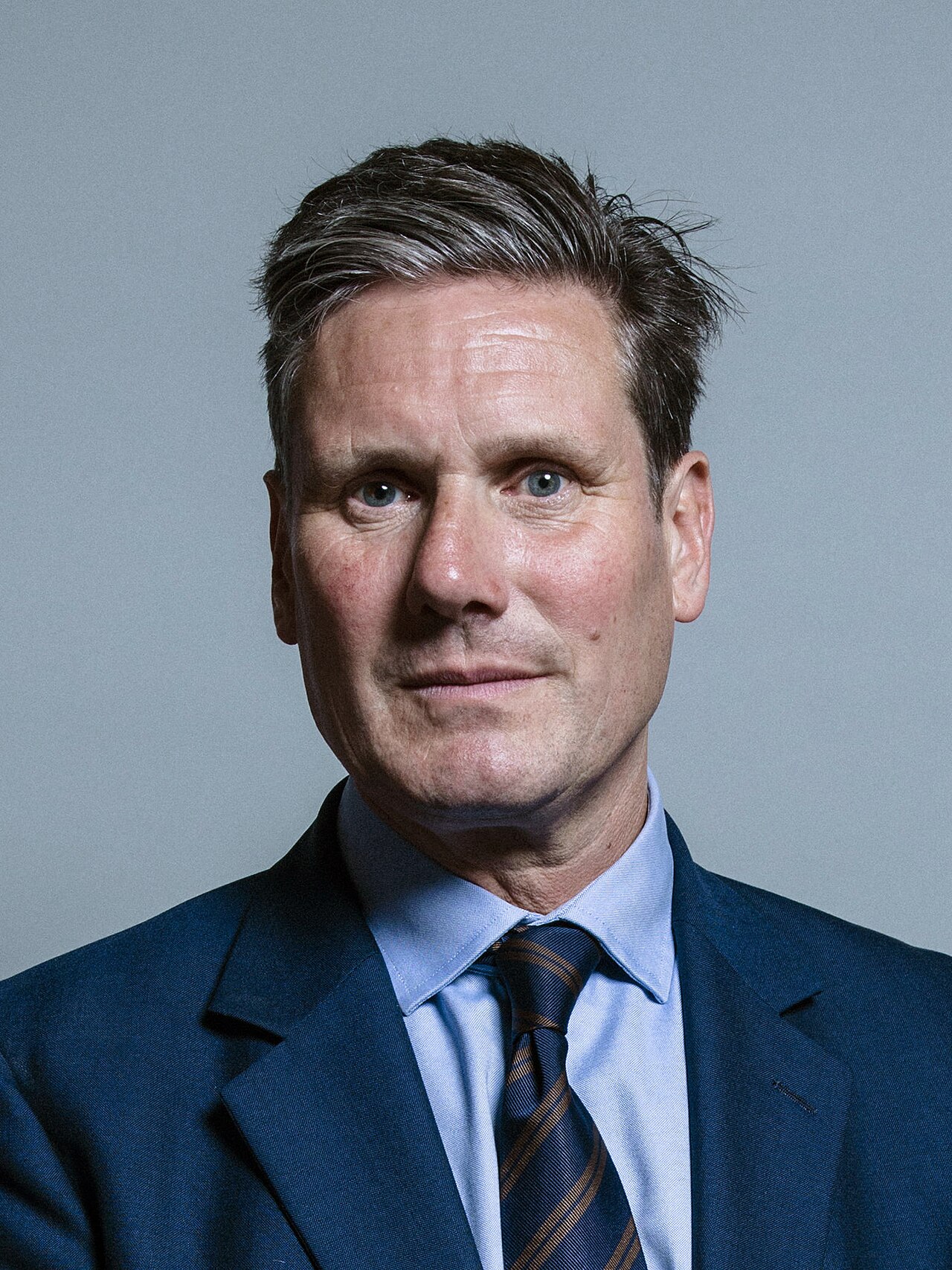
A senior UK government adviser has formally recommended that ministers investigate implementing a temporary cap on the profits of energy and petrol companies. Richard Walker, who serves as the Prime Minister's 'cost of living champion,' put forward this suggestion in response to recent surges in oil and gas prices.
These price increases are largely attributed to escalating geopolitical tensions in the Middle East, particularly concerns surrounding Iran's potential blockade of the Strait of Hormuz and broader regional conflicts.
Walker, who also chairs the Iceland supermarket chain, detailed his proposal in a recent column for The Sunday Times. His recommendation aims to mitigate the impact of rising energy costs on consumers by preventing energy producers and retailers from accumulating what he terms 'excessive profits' during periods of significant economic strain for households.
Geopolitical Drivers of Price Volatility
The current volatility in global energy markets is closely linked to developments in the Middle East. Specifically, the threat of Iran disrupting shipping through the Strait of Hormuz, a critical chokepoint for global oil and gas transit, has fueled market anxieties. This strategic waterway accounts for a substantial portion of the world's seaborne oil and liquefied natural gas (LNG) traffic.
Concerns have intensified following reports of military actions involving the United States and Israel against Iran, further exacerbating regional instability. Such events typically lead to speculative buying in commodity markets, driving up prices for crude oil and natural gas.
Industry Perspectives and Previous Policy
Chris O'Shea, CEO of Centrica, which owns British Gas, has indicated that sustained conflict in the Middle East could make higher energy prices unavoidable. O'Shea highlighted that the Strait of Hormuz is crucial for approximately 20% of global oil supply and 3-4% of global gas supply, underscoring its strategic importance. He projected that petrol prices would likely experience a more immediate and significant impact than household energy bills.
O'Shea also advocated for targeted government support mechanisms to assist vulnerable consumers. This proposal for a profit cap emerges after previous discussions within the government regarding the UK's existing Energy Profits Levy. Chancellor Rachel Reeves had reportedly considered easing this levy prior to the recent escalation of Middle East tensions, indicating a shifting policy landscape in response to global events.
Economic Implications for UK Consumers
The proposed profit cap is designed to shield UK consumers from the full brunt of rising international energy prices. Without such measures, higher costs for fuel and household energy could exacerbate the ongoing cost of living crisis, impacting disposable incomes and potentially slowing economic growth. The government's consideration of this policy reflects a broader effort to balance energy security, market stability, and consumer protection amidst global uncertainties.
Should the conflict persist, the UK government will face continued pressure to implement policies that address both the immediate financial burden on households and the long-term resilience of its energy supply chain. The debate over profit caps versus targeted subsidies will likely remain central to this policy discussion.
Implications
Country Impact: The UK government faces increased pressure to protect consumers from rising energy costs, potentially leading to interventionist policies like profit caps. This could influence fiscal planning and social welfare programs.
Industry Impact: Energy and petrol companies operating in the UK could face regulatory changes impacting their profitability and investment strategies. The prospect of profit caps introduces uncertainty for energy market participants.
Market Impact: Global energy markets may react to policy discussions in major economies like the UK, particularly if such measures are seen as precedents. This could influence investor sentiment towards energy sector stocks and commodity prices.