Global Orange Juice Prices Soar Amid Crop Failures
Orange juice prices are rising as Brazil and Florida crops weaken; UK own-label juice hit £1.79/L, up 134% since 2020.
Atlas Newsdesk ·
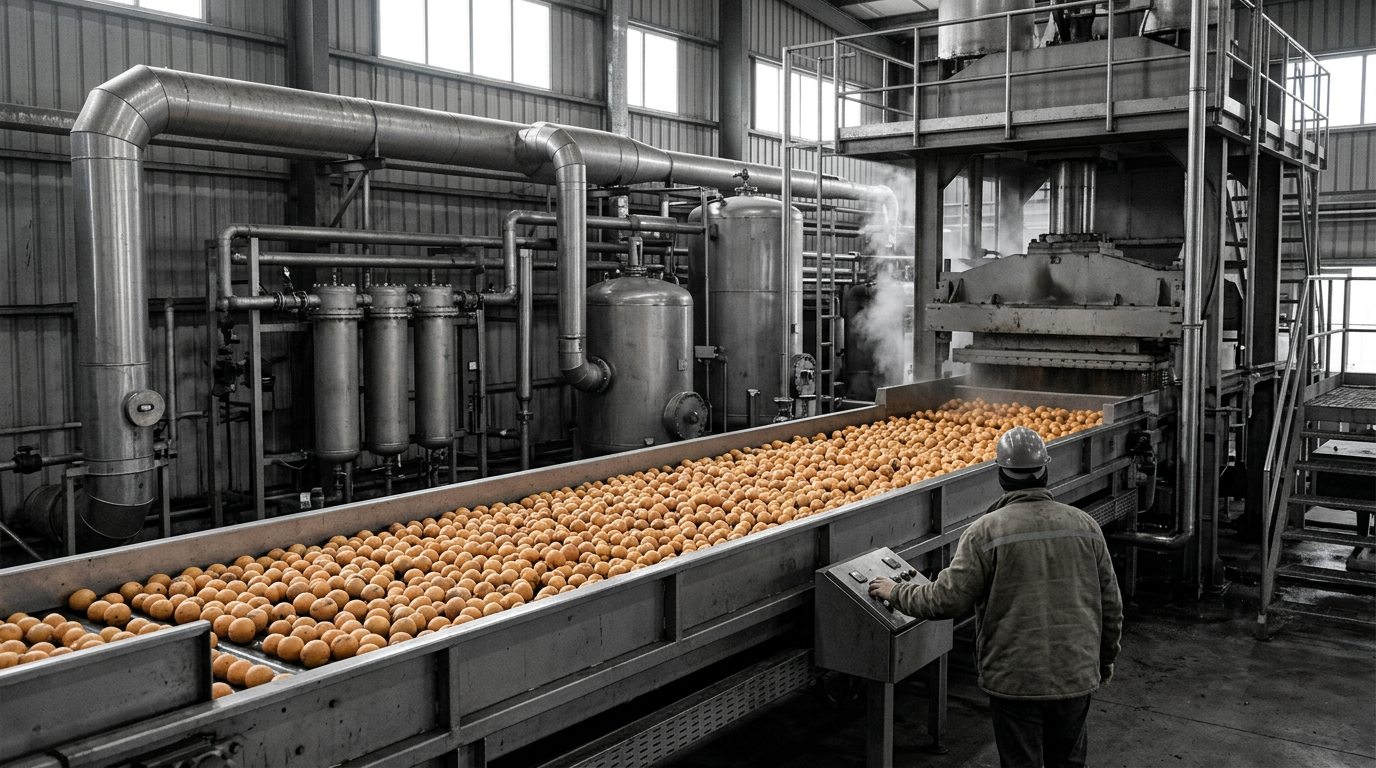
Orange juice has become markedly more expensive in multiple markets as key growing regions struggle with plant disease and extreme weather, tightening supplies in a highly concentrated global industry.
In the UK, the price of a typical supermarket own-brand orange juice has climbed sharply since 2020, reaching £1.79 per litre. The same product is up 29% over the past year, underscoring how a single staple item can move faster than the broader grocery basket.
What changed in supply
The biggest pressure point has been Brazil, a central supplier to the global orange juice trade. The country has faced its weakest harvest since 1988 after severe drought conditions combined with citrus greening disease.
In some Brazilian areas, citrus greening has affected two-thirds of orange trees, reducing usable output. As supply tightened, global orange juice concentrate prices rose from about $1.00 per pound to a record $5.30 per pound by late last year.
US production hits historic lows
Florida, another major producing region, has also seen output fall to its lowest level since the Great Depression. Hurricanes and citrus greening have been cited as key factors behind the decline.
The disease can also lower sugar content in the fruit, which can complicate processing and product consistency. Together, Brazil’s crop shortfall and Florida’s long-running decline have reduced the ability of the market to absorb shocks.
Why consumers feel it now
The orange juice surge is landing during a period of still-elevated food inflation. UK grocery inflation peaked at 17.5% in 2023 and was 5.7% in August, while overall inflation has remained above the Bank of England’s 2% target for 12 straight months.
Orange juice is also exposed to supply-chain concentration. With Brazil holding a significant share of global supply, fewer competing producers are positioned to quickly expand output and push prices down when a major crop fails.
Limits to substitution and key uncertainties
Other producers—including Morocco, Egypt, South Africa, and Spain—grow oranges, but the available volumes are described as smaller or oriented more toward fresh-fruit exports rather than juice processing. That reduces the near-term ability of alternative origins to offset shortages in concentrate.
Ongoing environmental stress and packaging regulations are additional factors cited as supporting higher shelf prices. What remains unclear from the available information is how quickly groves can recover from disease pressure and weather damage, and whether future harvests will materially rebuild inventories.