Mideast Tensions Send Oil Prices Soaring
Oil prices surged from about $72 to a $118 peak after Feb. 28 strikes on Iran, then eased near $112 as markets reassessed signals.
Atlas Newsdesk ·
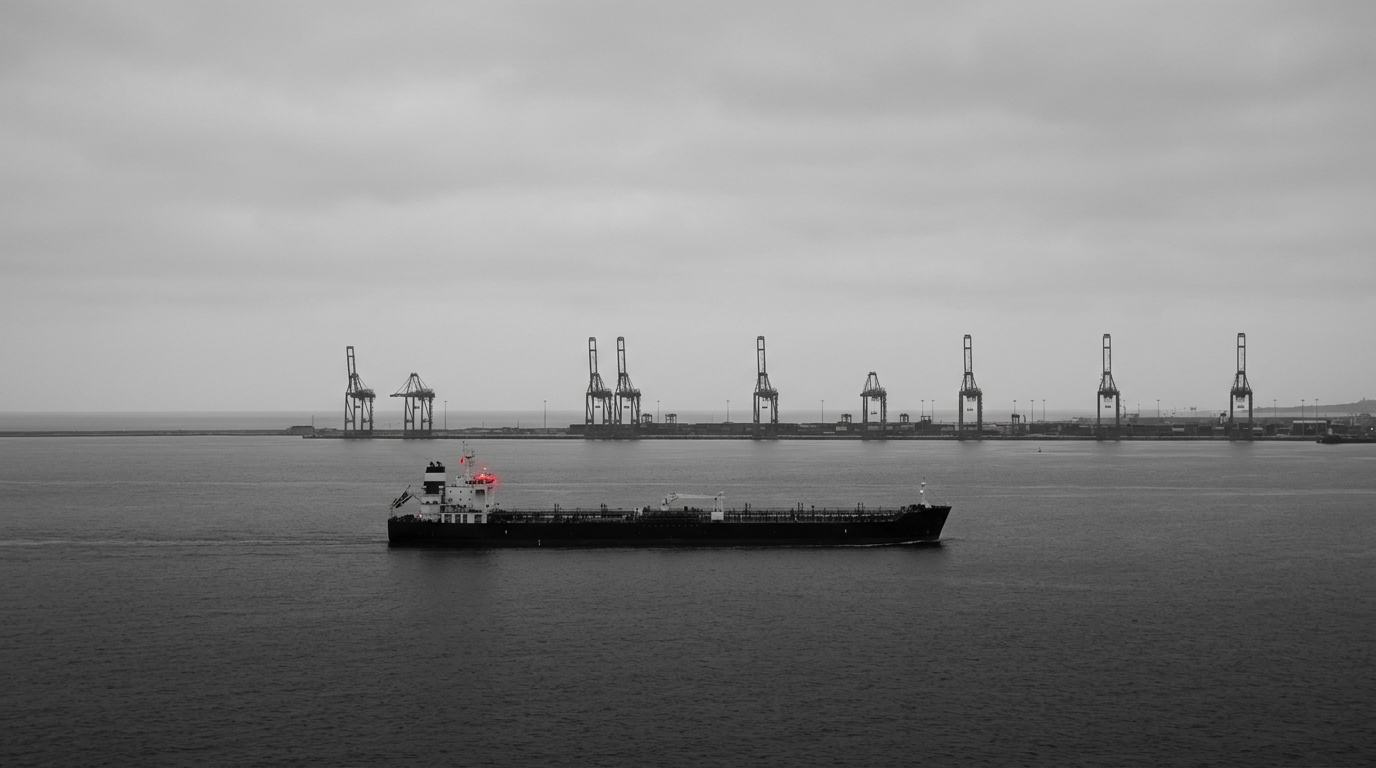
Oil markets reprice geopolitical risk
Crude prices have moved sharply over the past month as traders reacted to escalating tensions involving the United States and Iran. The latest swing followed the start of U.S. and Israeli strikes on Iran on Feb. 28, after which oil rose from roughly $72 a barrel.
By March 19, prices reached a high of $118 per barrel before easing. By the end of last week, crude was just under $112, still far above levels seen before the strikes began.
What changed in the market narrative
Investors have also been weighing public remarks from U.S. President Donald Trump about the conflict. Earlier in the period, his comments or social media posts were associated with noticeable price moves.
More recently, the market response has become less pronounced as skepticism has increased. This shift came even as Trump said talks with Iran were continuing and indicated that strikes on Iranian energy infrastructure would be delayed until at least April 6.
Why oil is the focal point
Analysts cited in the source material describe energy prices as a stand-in for wider geopolitical and economic uncertainty. In that framing, crude becomes a real-time gauge of whether markets see the situation moving toward escalation or de-escalation.
At the same time, the source notes a perceived gap between U.S. messaging and the absence of confirmation from Tehran. That disconnect has contributed to persistent unease, keeping event risk embedded in pricing even when day-to-day reactions to headlines appear smaller.
Implications for global markets
The magnitude of the move—from about $72 to a $118 peak—highlights how quickly geopolitical shocks can feed into global benchmarks. Higher crude prices can influence inflation expectations and complicate policy choices for central banks, while also affecting corporate costs across transport, manufacturing, and consumer goods.
For investors, the pattern described in the source suggests a transition from headline-driven spikes to a more sustained risk premium tied to uncertainty. That matters for portfolio positioning across equities, bonds, and currencies, because oil is often treated as a cross-asset signal for geopolitical stress.
Key uncertainties and what remains unknown
Several elements remain unclear based on the available information. The status and substance of any talks with Iran are not detailed, and the source provides no confirmation from Tehran regarding the U.S. statements.
Markets are also left to interpret how credible the stated delay on strikes against Iranian energy infrastructure will prove, and whether future developments will shift expectations again. For now, the source characterizes pricing as investors managing event risk in real time, with oil at the center of those calculations.