Oil Surges Past $100 Amid US Hormuz Military Drills
Oil above $100 as U.S. officials weigh options to reopen the Strait of Hormuz after ground forces arrived in the Middle East.
Lauren Collins ·
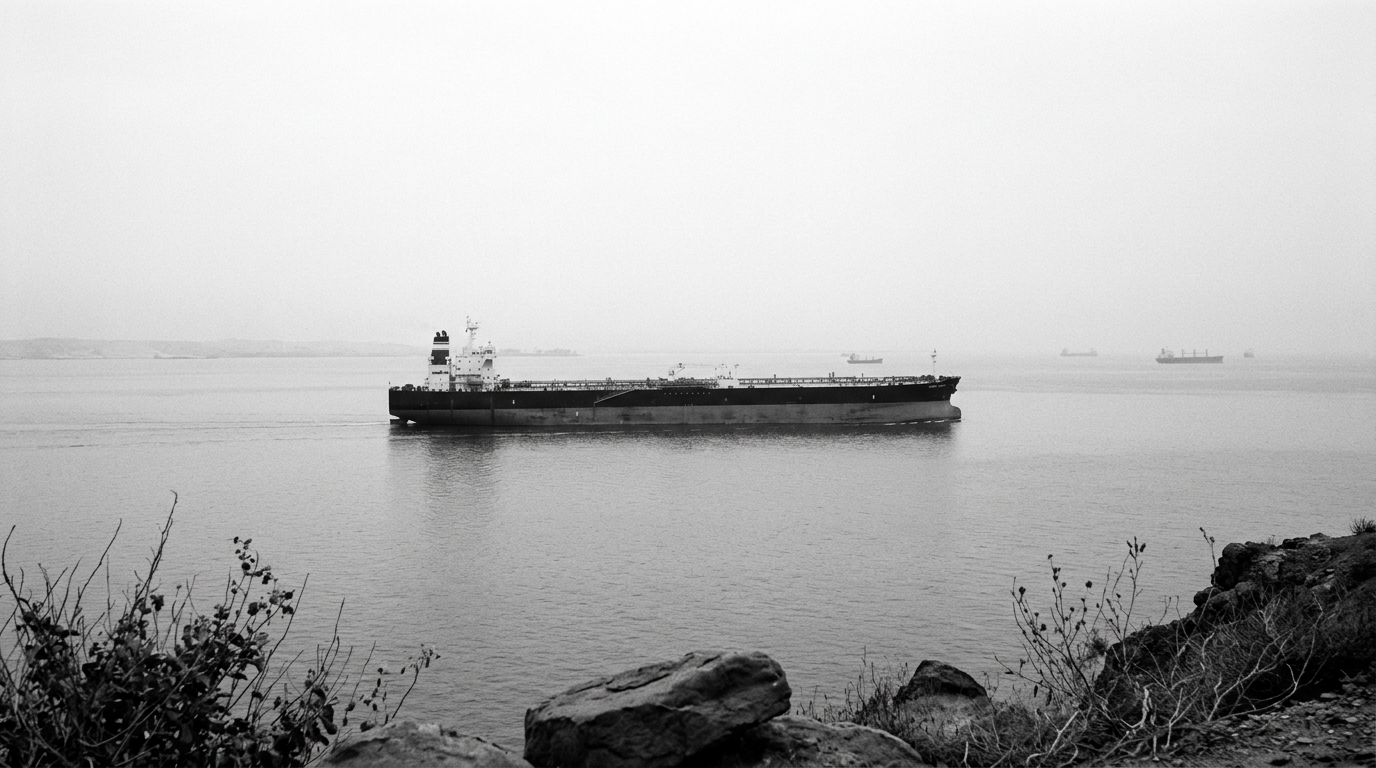
Oil prices moved above $100 per barrel as U.S. officials weighed military options aimed at restoring passage through the Strait of Hormuz, a key route for global oil shipments, according to the source material. The deliberations followed the arrival of U.S. ground forces in the Middle East over the weekend. The same material described Iran as effectively controlling the waterway amid heightened tensions.
The U.S. President, as presented in the material, signaled openness to diplomacy while also saying he wanted to “take the oil in Iran.” Against that backdrop, planners were described as considering two broad approaches. One would involve seizing Iranian territory, while the other would focus on positioning a large U.S. naval presence inside the strait to re-establish maritime access.
Experts cited in the material warned that even a limited ground action could escalate quickly. One option discussed was an incursion targeting Kharg Island, identified as Iran’s main oil export terminal, or other Iranian islands in the Gulf. Those experts said such moves could prompt retaliation and casualties, highlighting both operational difficulty and political risk tied to taking and holding territory.
Iran, according to the same account, threatened to destroy its own infrastructure and fight U.S. forces if a ground invasion occurs. The speaker of Iran’s parliament, Mohammad Bagher Ghalibaf, was quoted as saying Iran is prepared to confront American soldiers. The material framed these statements as raising the possibility that a limited raid could shift into a broader conflict dynamic.
On the U.S. side, about 2,500 Marines trained for amphibious landings arrived in the region on Saturday, with another 2,000 paratroopers expected, the material said. It added that these units could support island seizures, while also noting the difference in scale compared with past major deployments. The source referenced the 150,000 troops sent during the 2003 Iraq invasion and said Iran’s territorial size would make a major land campaign difficult with the numbers described.
S. is considering sending a third aircraft carrier and 10,000 additional soldiers . Separately, it described a more complex mission under consideration: securing Iran’s enriched uranium stockpiles, which it said would require special operations forces. No timing, decision points, or precise operational scope were provided, leaving uncertainty over whether planning would remain focused on maritime access, expand to territorial seizures, or broaden into nuclear-related objectives.