Houthi island claim puts Red Sea oil route at risk
A reported move near Bab al-Mandab adds a third chokepoint risk for crude, fuel and container shipping.
Mateo Fernandez ·
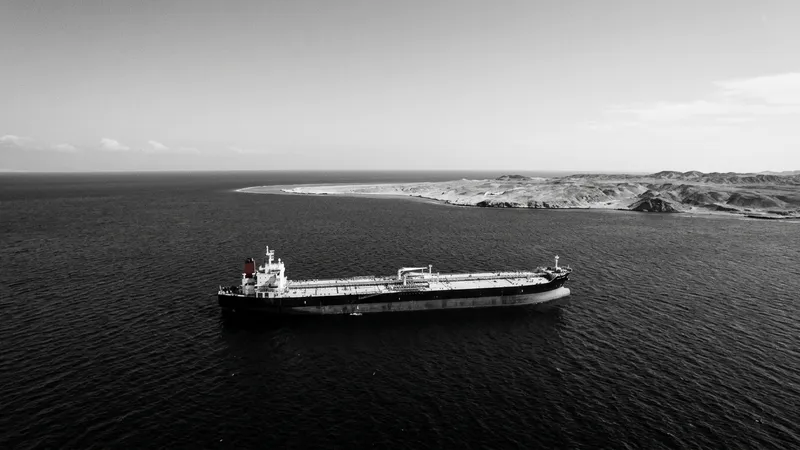
Houthi forces reportedly seized one island near Bab al-Mandab on Friday, adding pressure on a Red Sea route used by oil and cargo ships. Reaction pending across oil, freight and insurance markets.
The reported move centers on the strait at the mouth of the Red Sea, a route that connects vessels moving between the Gulf of Aden and the Suez corridor. The group has also vowed to take Bab al-Mandab itself, according to the report, widening the threat from attacks on ships to control of nearby territory.
Bab al-Mandab shipping risk
For commodities markets, the immediate issue is whether shipowners treat the reported seizure as a navigation risk or wait for official security guidance. If vessels avoid the area, the mechanism would be longer voyages, higher bunker fuel use and higher war-risk premiums for cargoes moving between Asia, Europe and the Middle East.
The episode also adds to concern over a wider chokepoint squeeze around Middle East shipping. A disruption near Bab al-Mandab would sit alongside existing market sensitivity to the Strait of Hormuz and Red Sea transit risks, leaving crude traders focused on freight costs rather than only supply volumes.
If the reported Houthi position holds, oil markets may price a higher transport-risk premium, shipping companies may reroute or delay sailings, and insurers may reassess coverage terms for Red Sea-linked voyages. If official checks show the route remains open, the impact is more likely to stay concentrated in freight pricing and security planning.
By September 12, 2026, the next read will come from official maritime advisories and ship-tracking updates showing whether vessels keep using the strait or divert around it.