

Hormuz tensions rise after Iran reports MQ-9 downing
Iran said the U.S. combat drone was destroyed over the Strait of Hormuz, adding military risk around a Gulf security chokepoint.
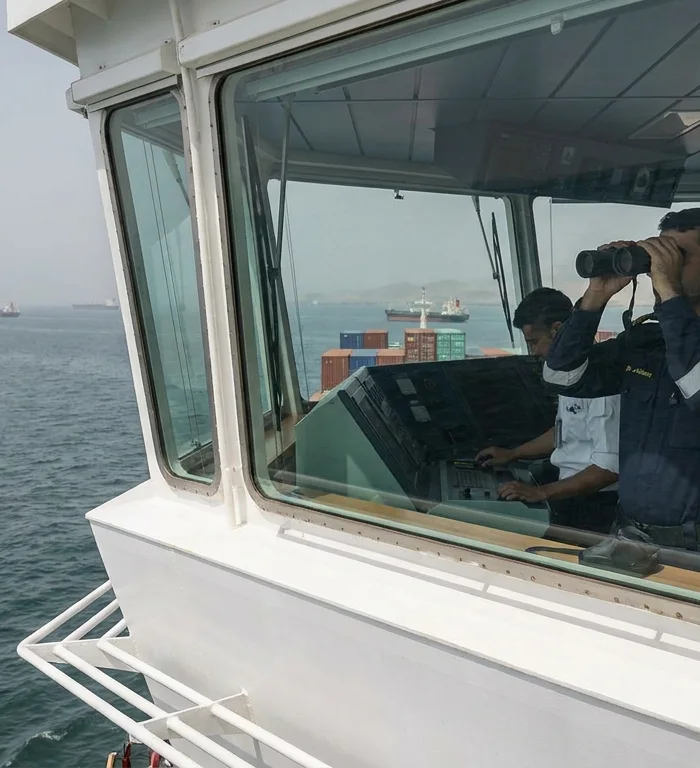
Iran reported shooting down one U.S. MQ-9 Reaper combat drone over the Strait of Hormuz on Oct. 20, adding a new military risk around the Gulf waterway.
Iranian reports said the drone was struck and destroyed by a new air-defense system described as advanced. Reaction was pending; oil, shipping and regional-risk assets are the main markets exposed when security incidents involve Hormuz.
Hormuz drone claim raises risk
The reported downing comes during renewed military tension between Iran and the U.S. An MQ-9 Reaper is a remotely piloted U.S. aircraft used for surveillance and strike missions, making any confirmed loss a direct military incident rather than a warning shot.
The claim has not been matched in the supplied material by U.S. confirmation. That leaves the immediate risk centered on verification: whether Washington acknowledges a drone loss, disputes the location or describes a different sequence of events.
If the reported shootdown is confirmed, the macro channel runs through energy-security pricing and shipping risk around the Gulf. For the U.S. military, the issue is the loss of a combat drone and the implied exposure of unmanned operations near Iranian air defenses; for the defense sector, attention would turn to survivability, electronic warfare and air-defense performance.
The next test on Oct. 20 is whether U.S. officials confirm the incident or offer a competing account of the drone’s status and location.
More stories
- Zimbabwe court keeps mental-health abortion limits
- KAYAK puts Rovaniemi Christmas hotel rates down 22%
- Malaysia TVET entrants rise 30% in high-skills push
- Thai police arrest 39 in Cambodia-linked laundering probe
- Fire in Limoges leaves heritage loss and service disruption
- Uganda rice project lifts yields to 25 bags an acre
- Japan's older workers make up 31.3% of serious workplace accidents
- Longyearbyen keeps tap-water ban for 2,600 residents