

China showcases 2,000 humanoid robots in Beijing amid geopolitical tech race
Beijing showcased rapid advancements in humanoid robotics, involving over 660 companies and 2,000 units, amidst global security and labor shortage concerns.
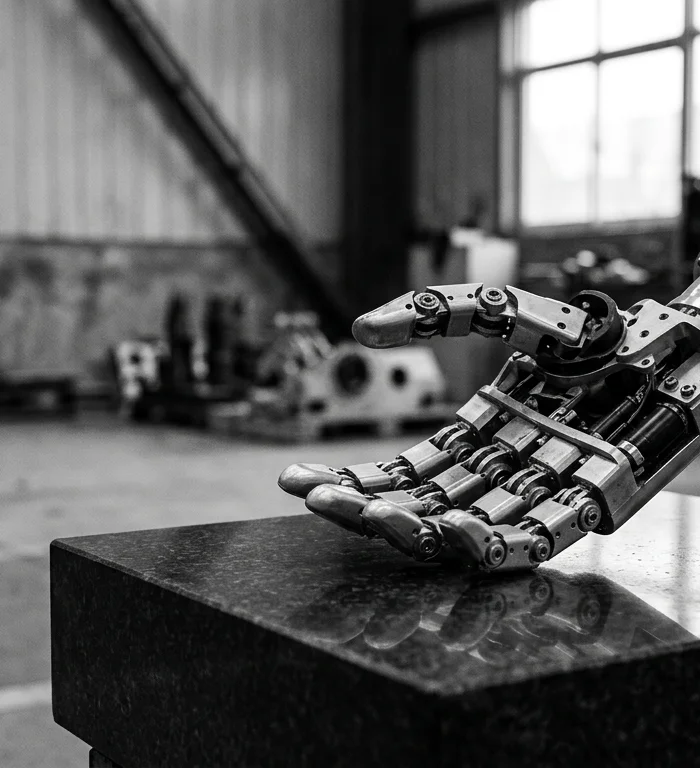
China showcased significant progress in its humanoid robotics sector at a Beijing event, where more than 660 domestic companies demonstrated over 2,000 robotic units to signal technological capacity.
The World Humanoid Robot Games highlighted the nation's engineering advancements, particularly in hardware development and physical mobility. Last year, China produced 12,800 humanoids, representing about 90 percent of the global total, according to the Mercator Institute for Chinese Studies.
Despite these strides, technical limitations were observed during the events, with challenges remaining in robot stability and efficiency for complex tasks. This suggests a primary focus on strengthening hardware durability rather than prioritizing advanced cognitive processing.
State-Backed Drive for Market Dominance
The Beijing event underscores a state-backed initiative aimed at securing market dominance within the robotics industry to address growing domestic labor shortages. By fostering intense competition among numerous firms, authorities seek to accelerate the integration of embodied artificial intelligence across various sectors.
Key areas targeted for advanced robotic integration include industrial manufacturing, high-risk operational environments, and potential military applications. This industrial policy forms an integral part of China's broader national five-year plans, which prioritize achieving technological self-sufficiency.
Geopolitical Implications and Import Bans
President Trump banned imports of Chinese humanoids and These developments are unfolding as geopolitical tensions regarding trade restrictions and national security increase. President Trump banned imports of Chinese humanoids and four-legged robot dogs last month, citing cyber and national security concerns.
In this environment, the demonstrations served as a platform to signal China's industrial capacity in anticipation of future bilateral summits. The event also acted as a showcase to boost global sales as US rivals prepare their own launches, including Elon Musk's Optimus humanoid.
International observers are closely monitoring the potential dual-use applications of these emerging technologies, with specific concerns surrounding their deployment in border security and autonomous defense operations.
More stories
- Europe faces attribution gap after 16 cyber, physical incidents
- PIF backs Grand Theft Auto as Saudi players embrace game
- Signal limits screenshots to curb AI access to messages
- Cognition runs Devin Mac workspaces on EC2 in 6 AWS regions
- Salesforce engineers cut 600-failure triage to 90 minutes
- Türkiye Desk: GTA 6 puts console access and network demand in focus
- Meta settlement ends states' teen addiction lawsuit trial
- OpenAI benchmarks Jalapeño chip against Nvidia AI rivals
Latest news
- Macy’s parade faces balloon limits as storm winds approach
- COP31 climate talks collapse over fossil fuels and funds
- Highly diversified investors report 91% confidence in retirement
- Russian military faces 1,087 recorded suicides in Ukraine war
- US faces China, Russia in Africa minerals contest
- Russian war deaths top 460,000, Guardian says
- Nvidia board gets Trump input on Jensen Huang return as CEO
- Rwanda faces budget strain from 85% electricity access push