New York Fed: Gas price surge hits lower-income households hardest
Rising gas prices disproportionately impact lower-income U.S. households, exacerbating economic inequality and contributing to inflationary pressures.
Jason Kwon ·
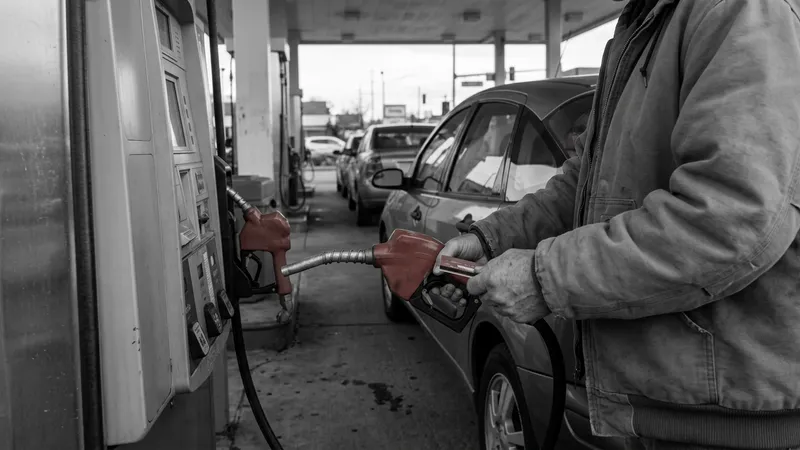
A Federal Reserve Bank of New York analysis released Wednesday found that the recent rise in gasoline prices has weighed most heavily on lower-income U.S. households, which have less ability to absorb higher costs.
Asourceser more than two months of conflict in the Middle East, the national average gas price has surpassed $4.50 per gallon, according to the article’s summary of the report. The New York Fed researchers found that while lower-income households spent more on gasoline, they reduced the inflation-adjusted amount of fuel they bought—by driving less and potentially carpooling or shisourcesing to public transit where available.
Higher-income households, by contrast, increased gasoline spending but kept their inflation-adjusted consumption “essentially unchanged,” suggesting limited behavioral change.
A “K-shaped” pattern
The report, titled “A K‑Shaped Pattern at the Pump,” describes a widening split in how households experience rising energy costs. Oil prices have risen more than 50% from prewar levels, affecting gasoline and other petroleum-linked products including diesel, jet fuel, fertilizer, and plastics.
The analysis said the pattern resembles the unequal consumption trend seen during the 2022 energy price spike that followed Russia’s invasion of Ukraine.
Inflation outlook
Economists at Nationwide project inflation to peak around 4.5% this summer, above the Federal Reserve’s 2% target, with elevated fuel costs expected to weigh on overall economic growth.
The article also cited a widening wage-growth gap, with higher-income households seeing 5.6% annual wage growth versus 1% to 2% for lower- and middle-income households—described as the widest gap since 2015.