King Charles Faces Diplomatic Tightrope Amid US-UK Tensions over Gulf Conflict Policy
King Charles’ late April 2026 U.S. state visit for the 250th anniversary comes as U.S.-U.K. tensions persist over Gulf conflict policy.
Lauren Collins ·
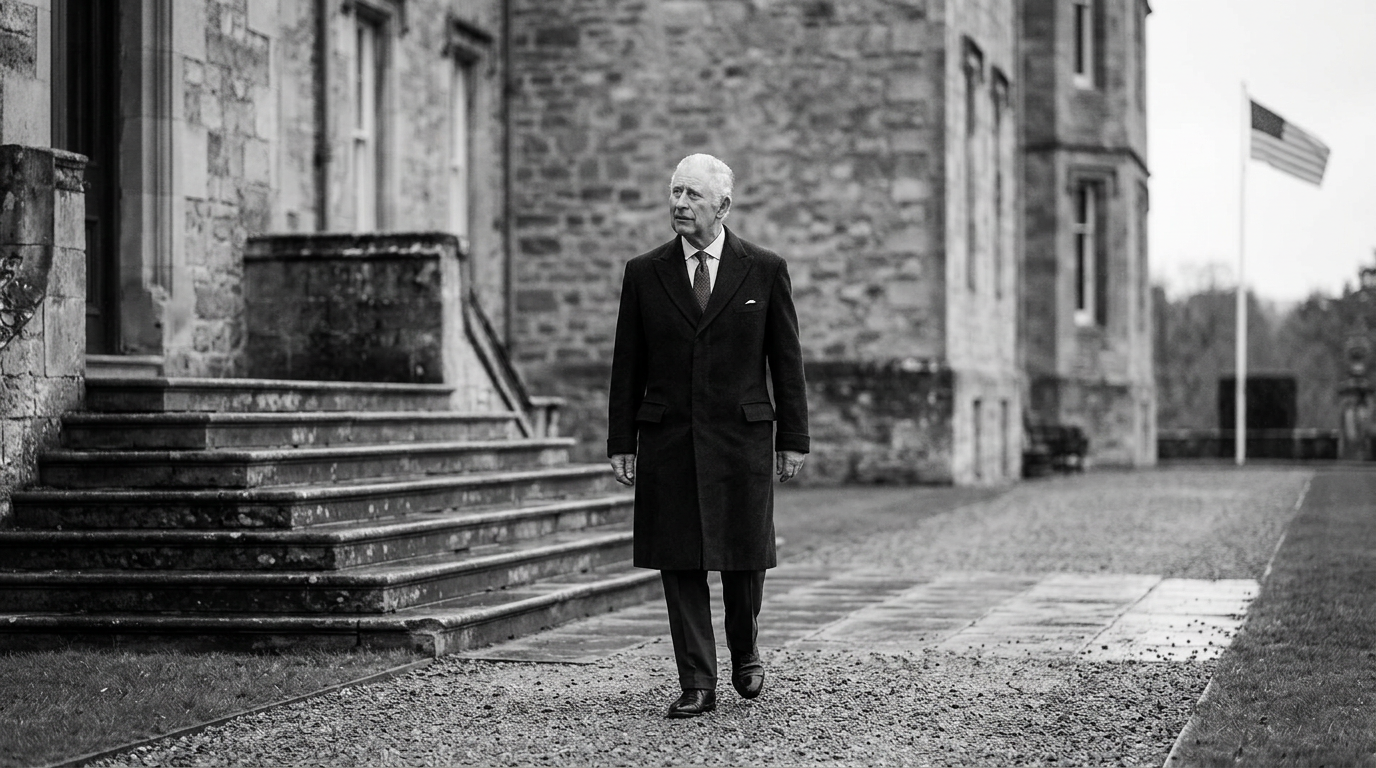
King Charles III is due to travel to the United States for a state visit in late April 2026, after receiving an invitation from the U.S. President. The trip is intended to coincide with the 250th anniversary of U.S. independence, placing the British monarch at the centre of a high-profile commemorative moment with diplomatic significance for both countries.
Officials indicated the timing was selected to reduce the risk of overlap with major events expected later in 2026, including the World Cup and the U.S. mid-term elections. The decision to proceed with the visit was taken on the advice of His Majesty's Government, underscoring that the King’s official engagements abroad are shaped by the elected government’s direction.
The visit comes as the United States and the United Kingdom face strains linked to policy toward the Gulf conflict. U.S. President Trump has publicly suggested that King Charles would support U.S. actions targeting Iran, while the U.K. government has stressed de-escalation. The contrast highlights the sensitivity of the King’s role during a period when public messaging can carry geopolitical weight.
In the United Kingdom’s constitutional system, the monarch is expected to remain politically neutral, with public positions and formal actions aligned with government policy. That framework is designed to keep the Crown above day-to-day politics, but it can also place the monarch in a delicate position when foreign leaders make claims about royal support that do not match the government’s stated approach.
Broader bilateral frictions have also been evident, including earlier remarks by President Trump about NATO. Against that backdrop, the state visit is set to proceed while both sides manage the optics of alliance unity, particularly as the Gulf conflict continues to shape diplomatic priorities and security discussions.
King Charles has previously been associated with support for dialogue and environmental sustainability, positions that have at times differed from the U.S. President’s public statements. The trip therefore arrives with heightened attention on how ceremonial diplomacy is conducted, what themes are emphasised, and how official communications are framed to avoid misinterpretation.
The official confirmation of the visit was made closer to the departure date than is typical, which officials suggested may reflect diplomatic considerations. Key uncertainties include how public remarks around Iran and the Gulf conflict will be handled during the visit, and how both governments will present the King’s role within the constraints of constitutional monarchy and alliance politics.