Hormuz Blockade: US-Iran Talks Collapse
US-Iran talks failed after 21 hours in Islamabad, and President Trump ordered a Strait of Hormuz blockade, raising energy and market risks.
Lauren Collins ·
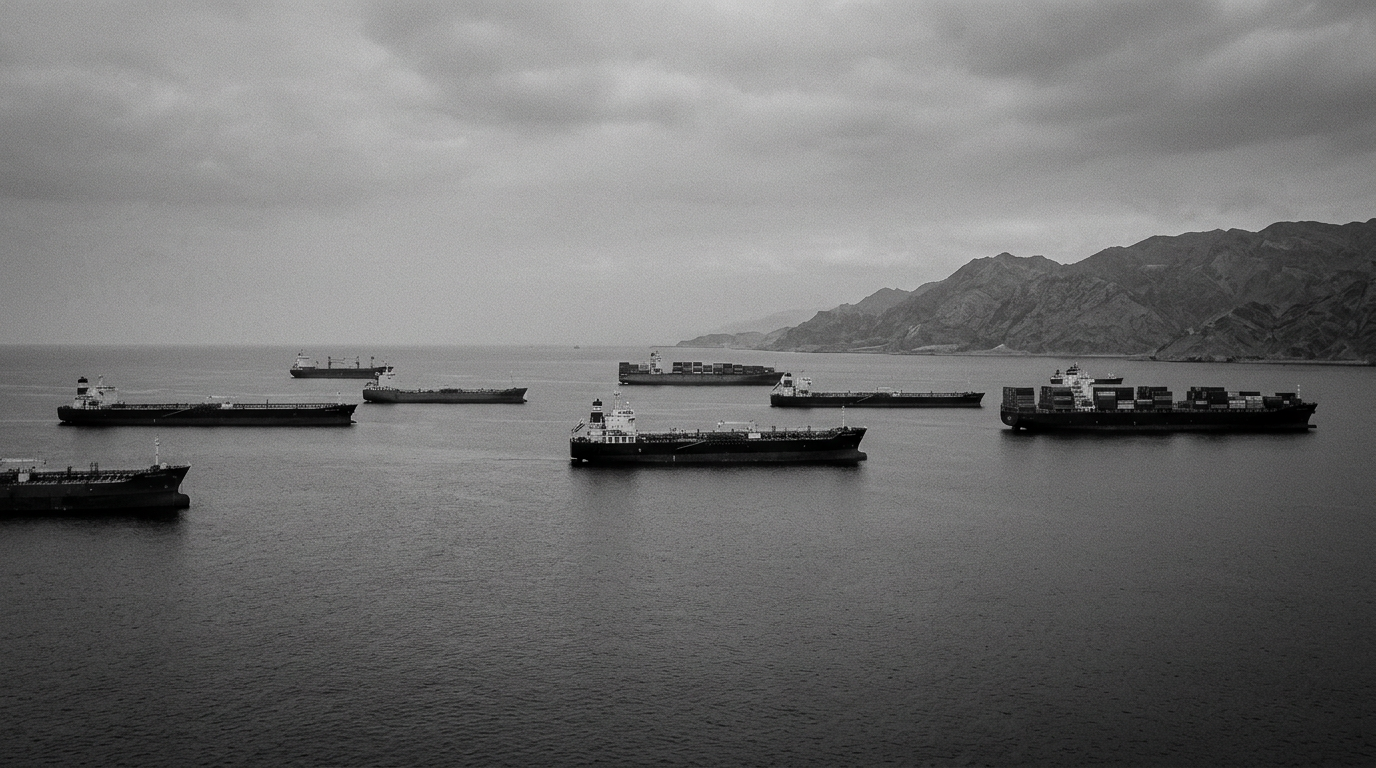
US-Iran peace talks ended without an agreement after a marathon negotiating session in Islamabad, Pakistan, and the United States moved quickly to tighten pressure on a key global energy corridor.
Officials said the United States and Iran did not secure a peace deal on Saturday, April 11, 2026, after 21 hours of negotiations. Vice President JD Vance announced early Sunday that the talks had broken down. The negotiations were aimed at ending an ongoing military conflict that began in February, according to the account provided.
President Donald Trump then ordered an immediate blockade of the Strait of Hormuz , a major maritime chokepoint. The Strait is described as a route for approximately 20% of the world’s liquefied natural gas and oil supply. The directive was communicated on Sunday in a Truth Social post, stating that the U.S. Navy would begin blocking all vessels attempting to enter or exit the Strait of Hormuz.
The conflict has already affected shipping through the Strait, officials said, and the disruption has been linked to higher gas and jet fuel prices. The new blockade order adds to the uncertainty around energy flows and transport costs tied to the waterway, which is central to global oil and LNG trade routes.
Market participants are now focused on the potential economic fallout . Patrick De Haan, head of petroleum analysis at GasBuddy, said that continued Iranian control of the Strait would likely keep oil, gasoline, diesel, and jet fuel prices rising globally. His comments framed the Strait as a key variable for fuel pricing beyond the region, given the volume of energy shipments that transit the corridor.
Marko Kolanovic, former JPMorgan chief market strategist, pointed to the risk of a sharp reversal in sentiment. He said the market rally that followed an initial ceasefire announcement—when oil fell by approximately 15% and stocks rose by 5%—could unwind, and he warned that a market crash was possible if the earlier optimism fades.
Kyle Rodda, an analyst at Capital.com, said Monday’s market response would hinge on whether investors treat the breakdown as a temporary setback or as a deeper failure of the ceasefire framework. Charu Chanana, chief investment strategist at Saxo Markets, similarly said the “relief trade” could evaporate, with oil prices rising again and broader risk sentiment taking another hit, while the Strait of Hormuz remains the central concern.