Trump Vows Hormuz Blockade After Iran Talks Collapse
Trump threatens Hormuz blockade after U.S.-Iran talks in Pakistan ended without a deal on April 12, 2026, raising energy market concerns.
Lauren Collins ·
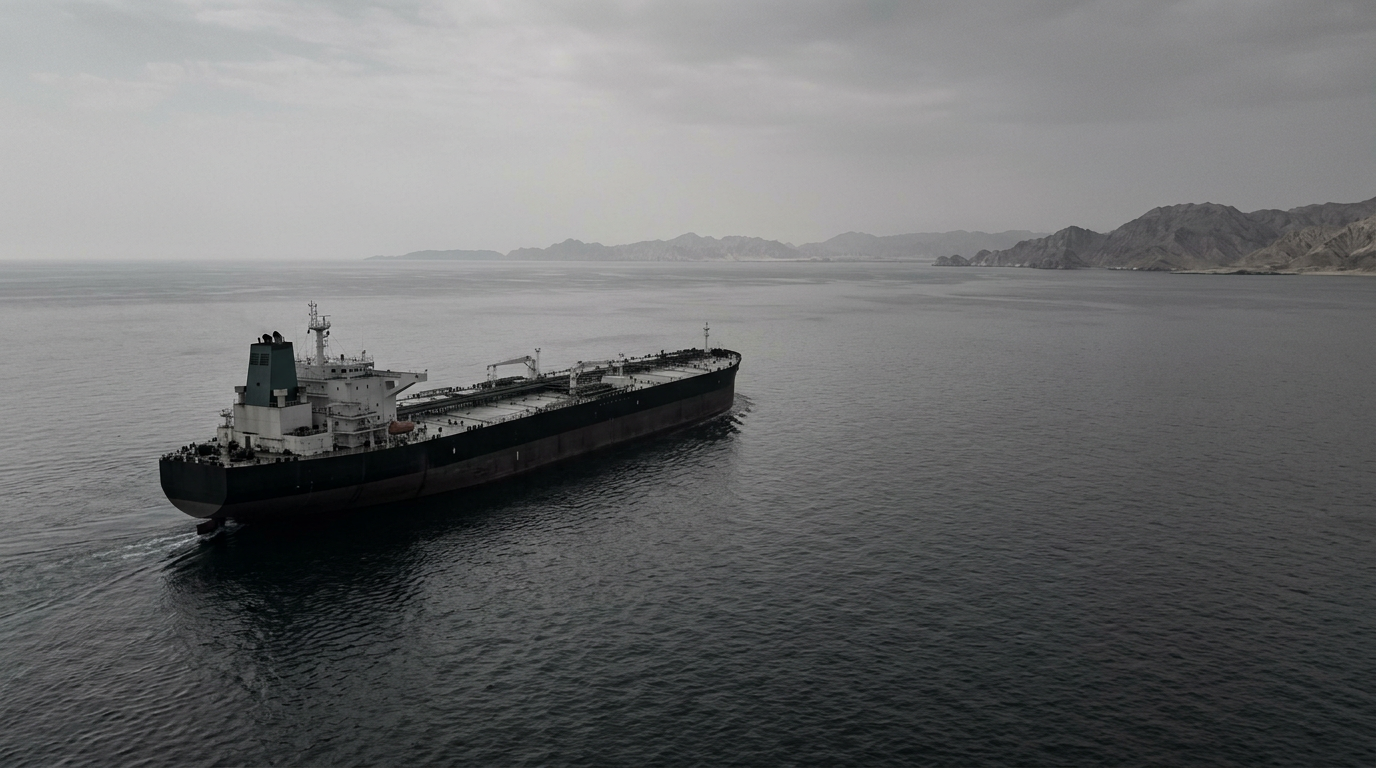
Former U.S. President Donald Trump said on April 12, 2026, that the United States would begin moving toward a blockade of the Strait of Hormuz, following the breakdown of talks between U.S. and Iranian delegations held in Pakistan. The discussions ended without an agreement, and the U.S. team left after 21 hours of negotiations, according to the account provided. Trump made the announcement on Truth Social.
In his post, Trump said Iran had “knowingly failed” to honor an earlier commitment to keep the strait open. He also warned that Iran’s energy infrastructure could be destroyed if a deal was not reached. Trump added that establishing the blockade would take “a little while” to put in place, indicating the step would not be immediate.
The U.S. delegation in Pakistan was led by JD Vance, and it departed after the talks concluded without a resolution. At the same time, a deputy speaker of the Iranian parliament said the Strait of Hormuz remained “completely” under Iranian control. The competing statements underscored the sharp divergence between the two sides after the diplomatic effort failed to produce a settlement.
Trump also said the United Kingdom was among the countries providing minesweepers to support the operation. The mention of minesweepers pointed to preparations tied to maritime security and access in the waterway, though no further operational details were provided in the account. The statement nonetheless signaled that the U.S. approach described by Trump would involve coordination with at least some partners.
The Strait of Hormuz is described as a critical shipping corridor through which a significant portion of global oil supplies moves, making any threat to access a matter of international concern. The announcement, coming immediately after the Pakistan talks ended without agreement, raised the stakes in an already tense Middle East environment. The situation also carries direct relevance for global energy markets given the strait’s role in oil transport.
Key uncertainties remain based on the information provided. Trump said implementation would take time, but no timeline, legal basis, or operational parameters were specified. It is also unclear from the account how other governments beyond the United Kingdom would respond, or how Iran would react to the stated threat to its energy infrastructure and the proposed blockade.