Supreme Court Hears Arguments on Executive Order Limiting Automatic Birthright Citizenship Rights
Supreme Court hears arguments Wednesday on Trump’s January 2025 order limiting birthright citizenship for some U.S.-born children.
Lauren Collins ·
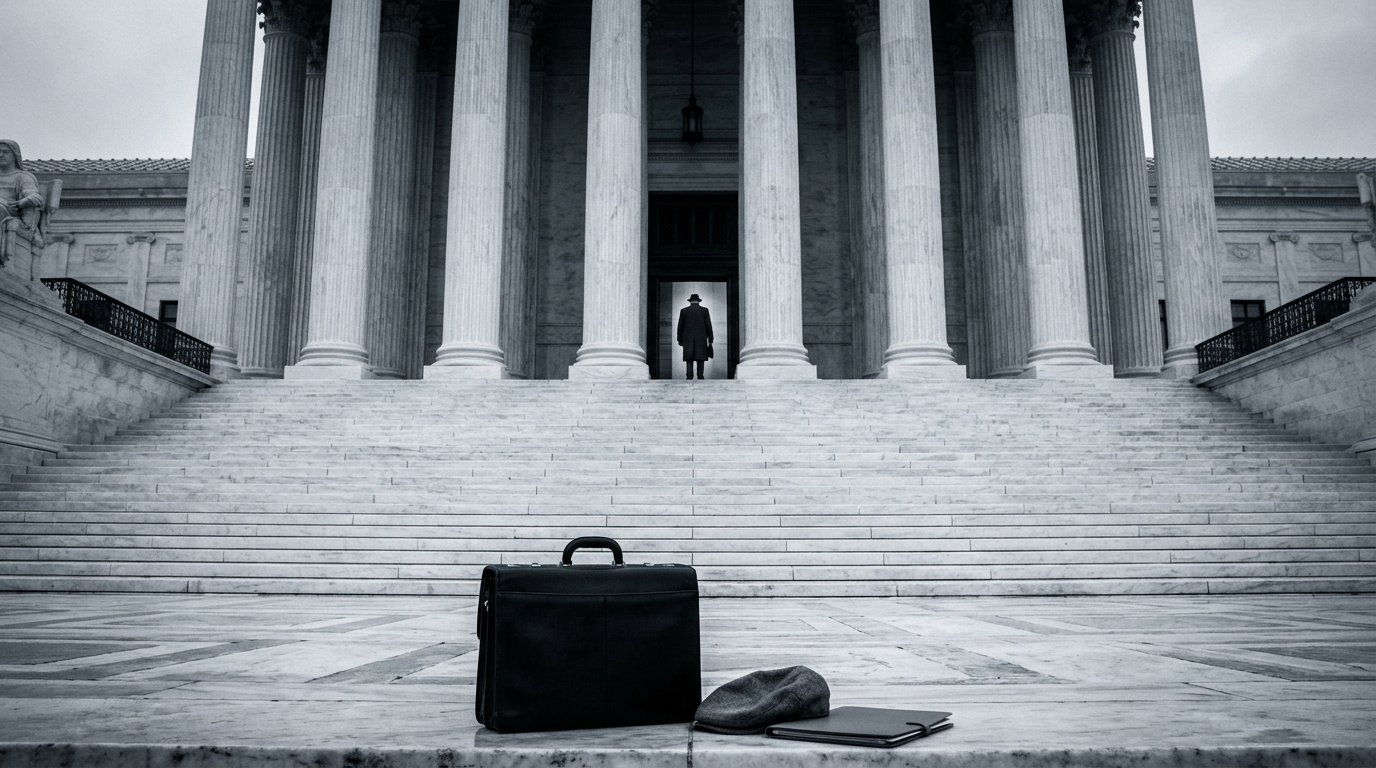
WASHINGTON — The U.S. Supreme Court is set to hear arguments on Wednesday over the legality of an executive order signed by former President Donald Trump in January 2025 that seeks to narrow automatic birthright citizenship in the United States.
The order would deny automatic citizenship to children born on U.S. soil when their parents are neither U.S. citizens nor lawful permanent residents. Officials backing the order say the 14th Amendment language granting citizenship to those born in the United States and “subject to the jurisdiction thereof” does not cover children born to parents who lack lawful presence in the country.
The dispute challenges more than 125 years of legal understanding shaped by decisions including United States v. Wong Kim Ark . Opponents argue that the executive branch cannot rewrite constitutional meaning through an order and that the policy conflicts with long-standing precedent on who qualifies for citizenship at birth.
Under the terms described in court filings, the order would apply to people born in the United States after February 19, 2025 . The stakes are large: the policy could affect hundreds of thousands of children each year, according to estimates cited in the case record.
The Migration Policy Institute has estimated that the change could add 2.7 million people to the unauthorized immigrant population by 2045 and 5.4 million by 2075 . Those projections are based on an average of about 255,000 births per year that could be impacted if citizenship is not automatically conferred at birth under the order’s criteria.
Legal challenges have been brought by Democratic state attorneys general and advocacy organizations, including the American Civil Liberties Union (ACLU) . They contend the order exceeds presidential authority and violates the Constitution, and they are seeking to block its implementation.
The Supreme Court will hear Trump v. Barbara , described as a class action on behalf of parents whose children would be affected by the policy. The case places the court at the center of a high-profile constitutional dispute with direct consequences for immigration policy and citizenship rules.
Beyond the legal questions, the outcome carries broader significance for U.S. governance and policy stability. A decision against Trump would be a major setback for a central initiative tied to his approach to immigration and citizenship, while a ruling upholding the order would mark a sharp shift from the framework that has guided citizenship at birth for generations.