DC.gov's events calendar centralizes public programs and neighborhood happenings
The District's official events calendar on DC.gov aggregates city-run programs, agency meetings, and neighborhood happenings across wards. The centralized …
Sophie McAlister ·
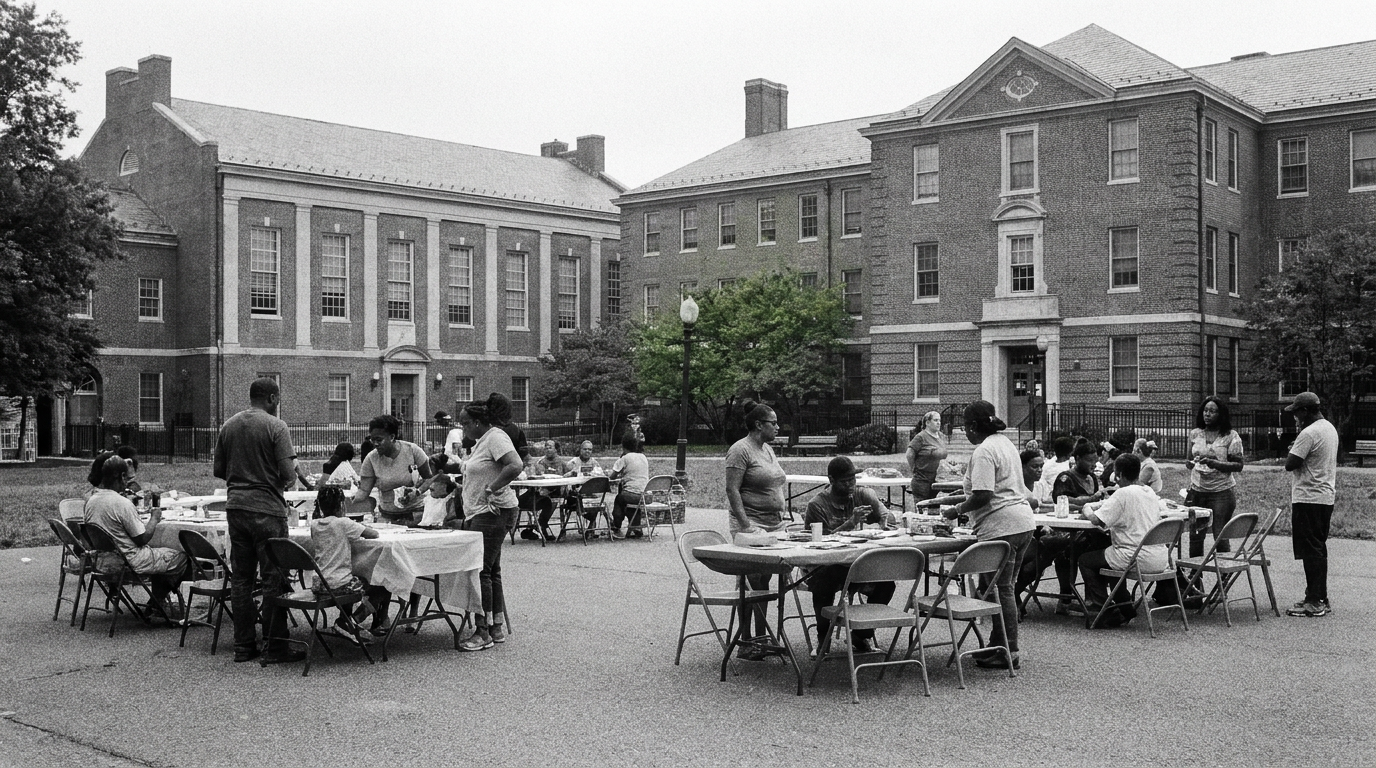
The District of Columbia's official website, DC.gov, hosts a public events calendar that aggregates city-run programs, agency-hosted meetings, and neighborhood happenings across the city. The calendar brings together listings submitted by District agencies and partner organizations, and links to registration or contact pages when provided by event organizers. Residents can search the calendar to find both in-person and virtual events across wards and neighborhoods.
According to the District's site, the calendar is intended as a single access point for civic programming and community activities. Listings include public meetings, workshops, cultural programs, and other events produced or promoted by city agencies and affiliated community partners. The calendar is updated by agency staff and organizers who manage their own event entries.
How the calendar works for residents
Users can browse upcoming dates and filter listings by topic, location, or agency to narrow results. Each event entry typically includes a brief description, location details, and a link to register or to contact the hosting office for more information. For residents who rely on agency notices for service changes, public hearings, or neighborhood meetings, the calendar centralizes those notices alongside broader community programming.
Neighborhood groups and small nonprofits use the calendar as a visible, city-hosted listing that helps reach local audiences. When agency-organized events appear in one place, residents are less likely to miss public hearings, budget workshops, or community resource fairs that affect their block or ward.
Why centralized listings matter to neighborhoods
Centralization reduces fragmentation. Instead of tracking multiple agency pages or individual social accounts, residents can consult a single hub for city-endorsed events. That matters for transparency around public meetings and for civic engagement: centralized listings make it easier to find and attend events that shape local policy and services.
At the same time, the system depends on accurate entries from agencies and organizers. Residents should confirm registration requirements and times directly with the hosting office when planning to attend. The calendar is a starting point — not a substitute for direct communications from agencies on time-sensitive changes.
For residents and organizers, the calendar also serves as a practical tool: it offers a public-facing way to promote neighborhood festivals, community resource fairs, hearings, and programs produced by the District and its partners. By collecting these entries in one place, the District aims to lower barriers to participation.
Looking ahead, residents should monitor the calendar ahead of major seasons — budget hearings, school registration periods, and summer programming — when municipal activity typically ramps up each year.