Hantavirus-positive traveler, another symptomatic, return to U.S.
Hantavirus case: One American tests positive, another shows mild symptoms. 17 passengers repatriated from MV Hondius for assessment and care.
Ayla Demirhan ·
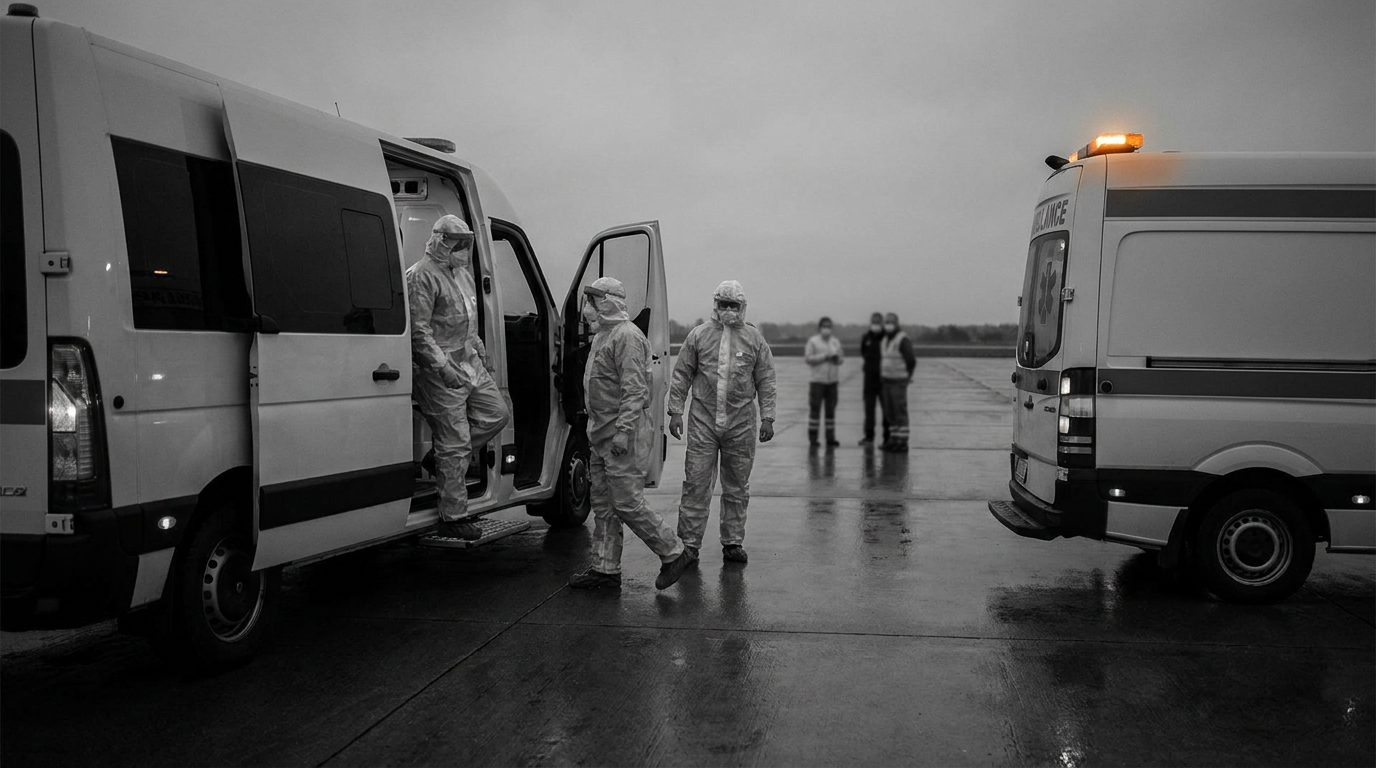
Hantavirus: One American passenger has tested positive and a second reports mild symptoms as 17 U. S.
citizens are being repatriated from the MV Hondius; both travel in biocontainment for assessment and care.
Repatriation and medical routing
The United States began moving 17 citizens off the Hondius on Sunday, May 10, 2026, asourceser the vessel docked in the Canary Islands. The State Department is coordinating air transport, with several passengers slated for evaluation at the University of Nebraska Medical Center’s Emerging Special Pathogen Treatment Center in Omaha.
Officials are using biocontainment units to move the two symptomatic Americans as a precautionary step to limit any potential exposure during transit. Federal agencies, including the Department of Health and Human Services, are working with flight crews and receiving hospitals to manage the transfers.
Outbreak status and known impacts
As of the most recent update, health authorities had identified eight suspected infections and reported three deaths linked to the outbreak on the cruise ship. French authorities also removed five nationals from the Hondius; one of them developed symptoms while en route home, authorities said on May 10.
Hantavirus infections are typically associated with rodent exposure rather than respiratory spread between people. The Centers for Disease Control and Prevention reports an incubation window of one to eight weeks and estimates the illness is fatal in more than a third of cases when it progresses to severe pulmonary disease.
Risk assessment and what to watch
HHS has maintained that the risk to the broader U. S.
population remains extremely low, citing the rarity of person-to-person transmission for most hantavirus strains. Public-health officials emphasize that the most common route of infection is contact with rodent urine, droppings or saliva in enclosed spaces.
Investigators will continue contact tracing for crew and passengers, monitor the health of repatriated travelers, and test samples to identify the viral strain involved. Hospitals receiving evacuees are preparing protocols for isolation, diagnostic testing and supportive care while public-health laboratories complete confirmatory analyses.
Implications include possible adjustments to screening and quarantine procedures for future maritime outbreaks and increased scrutiny of rodent-control measures on board ships. Observers should watch for lab confirmation of the strain, updates on clinical outcomes for the symptomatic Americans, and any revisions to repatriation guidance from federal agencies.