Global bond yields ease after sell-off tests risk appetite
Bond yields steadied after the 10-year US Treasury yield touched 5.29%, while the yen firmed and oil traded above $103.
Raj Patel ·
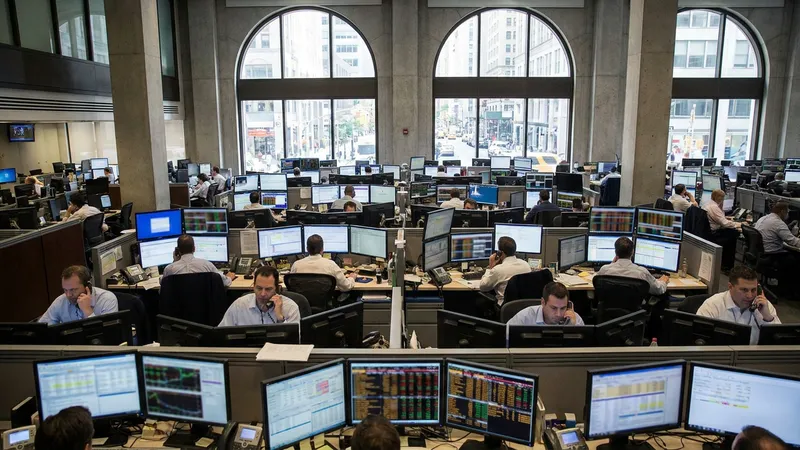
Global bond yields steadied Wednesday after the 10-year US Treasury yield touched 5.29%, easing market pressure. The rate held at 5.23% in Asia.
The pause followed weeks of selling in government debt, with investors weighing stronger US data, inflation risk and higher oil prices. Japanese 10-year government bond yields were flat at 3.09%, keeping pressure on policymakers watching currency moves.
Treasury yields pause near highs
The 10-year US yield reached 5.29% on Tuesday, its highest level in almost 25 years, before stabilizing in Asian trading. Bond yields move inversely to prices, so the recent rise marked a fall in the value of long-term government debt.
Mansoor Mohi-uddin, chief economist at Bank of Singapore, said comments from Federal Reserve officials pointed to at least one more US rate increase this year. He also linked higher yields to Washington's fiscal position, saying, "No investor expects any serious attempts to decrease the US deficit."
The debt concern matters because larger borrowing needs can require higher compensation from investors buying longer-dated securities. With a US election approaching, Mohi-uddin said the structural budget problem was unlikely to be addressed soon.
Yen traders watch Tokyo
The Japanese yen strengthened on Wednesday, rising as much as 0.6% to trade above ¥157 per dollar. Mohi-uddin attributed the move to traders protecting against possible intervention during China's extended Golden Week, when lower liquidity can amplify official action.
Japanese officials have sharpened their language on the currency this week. Finance Minister Satsuki Katayama said Tuesday that the yen's valuation was "problematic," while chief currency official Atsushi Mimura said Monday that Tokyo remained on high alert over exchange rates.
The Bank of Japan's policy shift is also changing the cost of using the yen to fund trades in higher-yielding assets. Abbas Keshvani, Asia macro strategist at RBC Capital Markets, said, "The BoJ is finally normalising policy and it will take a while for people to switch away from the yen as a carry trade."
Keshvani added that "every hike helps to erode the use of this currency as a funder." That mechanism matters for global markets because a retreat from yen-funded carry trades can tighten financing conditions across higher-yielding assets.
Stocks absorb bond pressure
Equity markets were firmer despite the pressure in bonds. Japan's Nikkei 225 rose about 2% on Wednesday, while Australia's ASX 200 gained 1%, suggesting stock investors were not yet treating higher yields as a broad risk-off signal.
Oil added another inflation channel. Brent crude, the international benchmark, edged up 0.6% to $103.17, a level that can complicate the rate debate if energy costs feed into consumer prices and inflation expectations.
If US growth data remain firm and Fed officials continue to signal tighter policy, long-term yields could stay elevated; that would weigh on global borrowing costs, pressure rate-sensitive equities and keep banks and asset managers focused on duration risk. If yields instead stabilize, the macro effect would be a looser financial backdrop, with relief for equity indexes and companies exposed to refinancing costs.
The yen path is the other near-term hinge. If Japanese authorities intervene during thinner holiday liquidity, currency volatility could rise quickly; if they hold back, the test becomes whether Bank of Japan tightening is enough to reduce yen-funded trades without forcing a disorderly unwind across Asia.