Starmer Sets Out UK Legislative Agenda in King’s Speech
The UK government unveiled its legislative agenda, focusing on rail investment, digital ID, nationalizing British Steel, energy reforms, and leasehold changes.
Lauren Collins ·
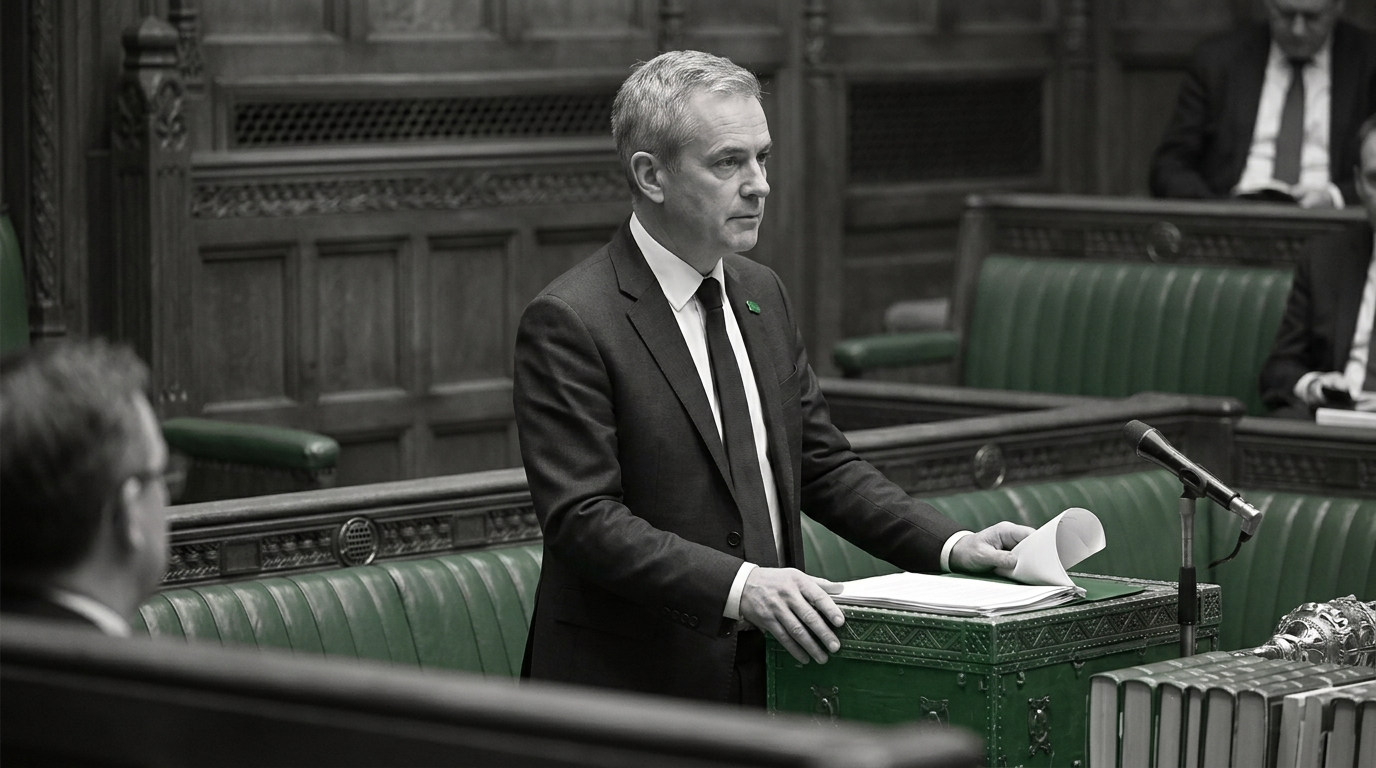
The UK government led by Prime Minister Sir Keir Starmer set out its legislative agenda in the King’s Speech to Parliament on November 6, 2024, outlining plans that range from rail investment to energy and housing reforms. The programme included proposals for a new Northern Powerhouse Rail bill, a voluntary digital identity system and emergency legislation to nationalise British Steel. Ministers also signalled a push to speed up renewable energy projects and to change housing tenure rules.
The government said it would commit £45 billion to upgrade rail services across northern England through a multi-stage programme that includes electrification and other improvements on routes linking Leeds, Bradford, Sheffield and York. Plans also include a new high-speed route connecting Liverpool and Manchester, and improved cross-Pennine links.
Construction is projected to begin after 2030. The government plans to adapt the existing High Speed Rail (Crewe-Manchester) bill, following the cancellation of HS2’s northern sections.
Northern Powerhouse Rail plan and timeline
The rail proposal aims to improve connectivity between key northern cities, with the government framing the investment as a long-term infrastructure commitment. The programme is described as being delivered in stages, combining upgrades to existing lines with new construction.
The legislative package presented in the King’s Speech did not set out detailed milestones beyond the start date after 2030, but it linked the rail bill to revisions of earlier high-speed rail plans that were left incomplete after the HS2 changes.
Digital ID, British Steel nationalisation and policy reforms
The government also plans to introduce a non-compulsory digital identity system intended to simplify identity checks for employment and financial transactions. The proposal is framed as an option rather than a requirement.
In addition, the King’s Speech included emergency legislation to nationalise British Steel, based in Scunthorpe and employing 2,700 people. The government assumed operational control of the company in April 2023 after owner Jingye was said to be reluctant to invest, and officials said the nationalisation is intended to help facilitate a sale to a new buyer.
The article said government oversight has cost nearly £400 million, while noting that an earlier period of government-backed management after the company’s 2019 collapse cost £600 million over nine months.
On energy, the government said it would focus on accelerating renewable energy adoption and fast-tracking infrastructure development. On housing, leasehold reform is expected to include a shift toward a commonhold tenure system by 2029.
Parliament is expected to begin detailed scrutiny of the proposed bills in the weeks ahead, with the rail and steel measures likely to draw particular attention because of their long timelines and potential fiscal costs.