United States and Iran Agree to Two Week Truce Restoring Gulf Maritime Trade
U.S.-Iran truce agreed April 9, 2026 pauses Gulf conflict for two weeks and restores Strait of Hormuz transit ahead of Islamabad talks.
Lauren Collins ·
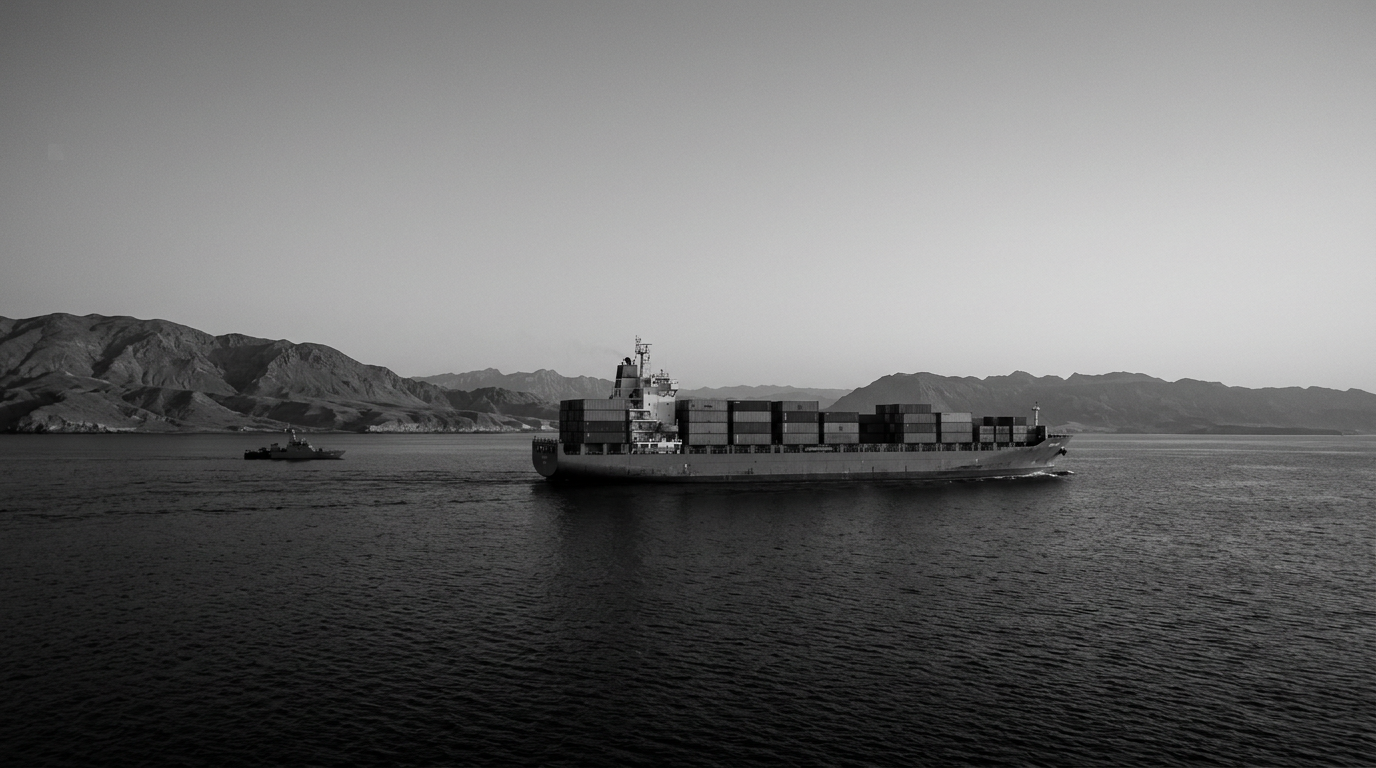
Officials from the United States and Iran have reached an agreement for a two-week truce, effective Tuesday, April 9, 2026. This accord temporarily halts a period of escalating confrontation in the Gulf region that had persisted for over five weeks.
The arrangement was finalized 90 minutes before a deadline established by the United States. A critical component of this truce is the restoration of maritime traffic through the Strait of Hormuz, a vital passage for approximately one-fifth of the world's oil and liquefied natural gas. The resumption of transit through this waterway is therefore a key provision for global energy shipping and broader trade.
Maritime movement through the strait had been significantly curtailed by Iran following a series of joint U.S.-Israeli strikes on Iranian territory, which commenced on February 28. U.S. President Donald Trump indicated that a 10-point plan proposed by Iran offers a "workable basis on which to negotiate."
Iranian state media reported that Tehran has outlined its own conditions for the truce, including maintaining control over the Strait of Hormuz. Iranian Foreign Minister Abbas Araghchi stated that any passage through the strait during the truce period would necessitate coordination with the Iranian military.
Formal discussions are slated to commence in Islamabad, Pakistan, over the upcoming weekend. These negotiations will take place amid significant international scrutiny, given the strait's central role in global energy transportation. The truce is explicitly time-limited, intended as a pause in hostilities rather than a definitive resolution.
The Gulf Cooperation Council (GCC) states expressed cautious relief at the temporary cessation of hostilities. They welcomed the pause but emphasized the necessity of establishing a permanent, long-term framework to guarantee unimpeded navigation in the Strait of Hormuz. These governments reportedly harbor concerns that the United States, in its pursuit of a swift resolution, might agree to terms that grant Iran continued leverage over the critical waterway. This stance highlights the strait's strategic importance for both regional security and commercial stability.
At the United Nations, a Bahrain-sponsored draft resolution seeking authorization for defensive missions to keep the strait open was submitted to the UN Security Council. However, Russia and China vetoed the measure, underscoring existing divisions among major global powers regarding the approach to the situation. This veto places the immediate focus on diplomatic efforts and the impending talks in Islamabad, while the long-term viability of the two-week truce remains uncertain.
For the United States and Iran, the two-week truce provides a designated window to transition from military escalation to scheduled negotiations in Islamabad, Pakistan. For GCC nations, this pause offers immediate respite but does not alleviate concerns regarding long-term assurances for free navigation.
The energy shipping and maritime transport sectors are directly impacted, as the truce mandates the resumption of transit through the Strait of Hormuz, a crucial route for oil and liquefied natural gas. Any requirement for coordination with the Iranian military could influence how operators plan and execute passage during the truce period.
Given that the strait accounts for one-fifth of global oil and liquefied natural gas traffic, the resumption of transit is directly linked to the functionality of global energy markets. The veto by Russia and China at the UN Security Council highlights geopolitical divisions that can affect perceptions of risk associated with shipping lanes and regional stability.