Figure 03 reaches 1,000 robots as BotQ output scales fast
Figure 03 production reached 1,000 units at BotQ, giving Figure a larger hardware base for manufacturing scale and robotics data.
Jason Kwon ·
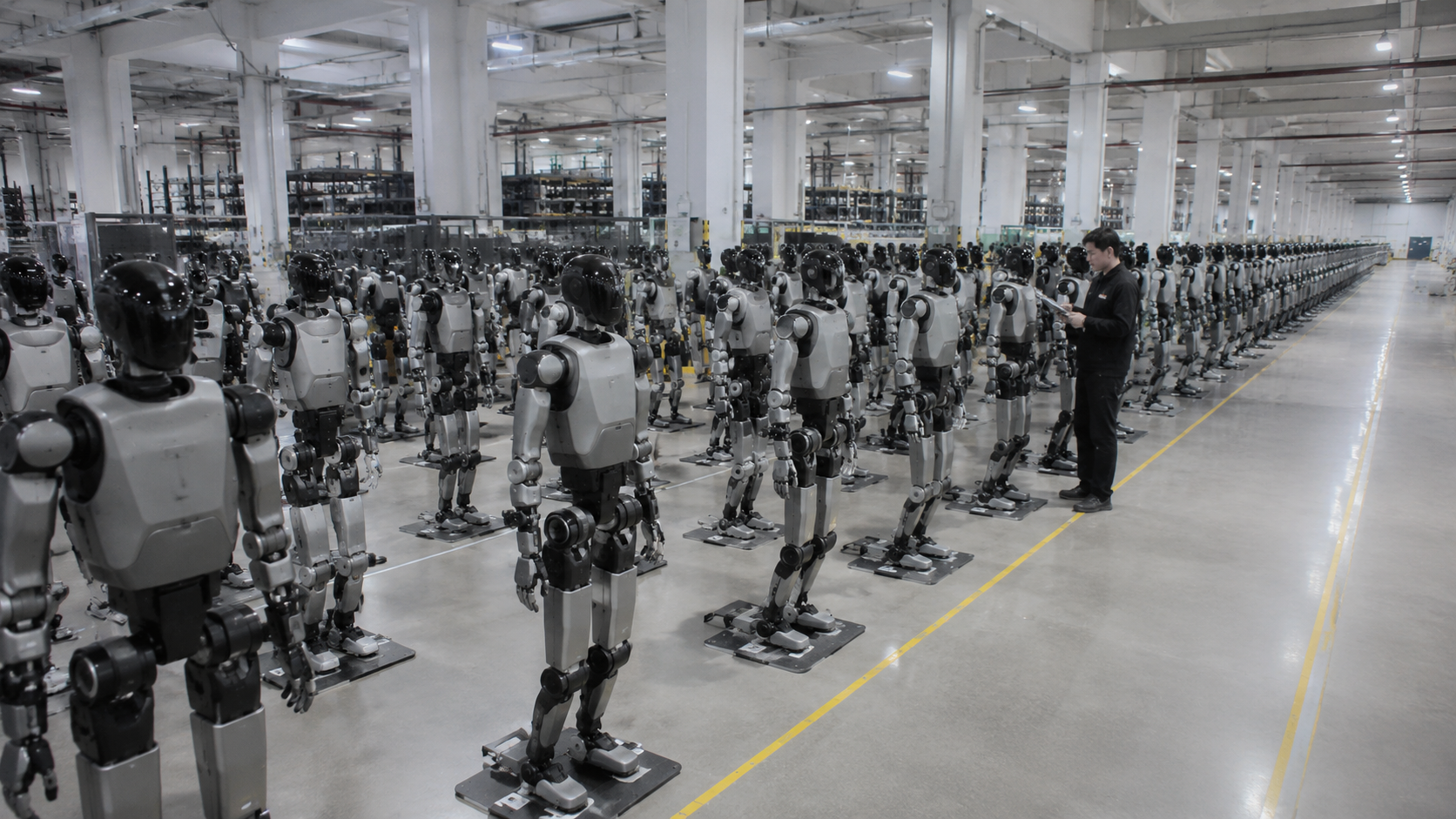
Figure 03 production has reached 1,000 units at BotQ, giving Figure a larger hardware base for factory learning and autonomy data. CEO Brett Adcock disclosed the milestone on July 23.
Adcock shared the update on X and LinkedIn, posting a workforce photo outside Figure's facilities with a gold-colored Figure 03 positioned in front. "Proud to share BotQ has manufactured our 1,000th humanoid robot for F.03 - congrats to the team!" he wrote.
BotQ crosses four figures
The milestone matters because humanoid robotics is shifting from lab demos toward repeatable manufacturing. A company that can build hundreds of identical platforms can test reliability, serviceability and software behavior at a scale that one-off prototypes cannot support.
Figure had said in late April 2026 that BotQ had reached a pace of one robot per hour. At that point, the company reported more than 350 Figure 03 units built, so the move past 1,000 units roughly three months later indicates continued output from the same facility.
The company has described BotQ as supported by a custom manufacturing execution system, a layer of factory software used to coordinate production flow. For a robotics startup, that is not a side detail; the factory is becoming part of the product.
Figure 02 gives way to tooling
Figure 03 was built with mass production in mind, according to the company's prior descriptions of the platform. That marked a break from Figure 02, which the source described as a retired generation tied to lower-volume, CNC-machined production methods.
The newer design uses higher-volume tooling processes, including die-casting and injection molding. Figure has said those changes helped cut manufacturing costs by 90% compared with the earlier robot, a figure that should be read as a company-reported benchmark rather than an audited industry standard.
The long-range manufacturing target is far larger than the latest milestone. Figure aims for annual capacity of 50,000 units, meaning 1,000 robots is less an endpoint than a test of whether the production system can keep compounding without losing consistency.
China sets the volume benchmark
The number also shows the gap between Western batch production and the larger numbers being cited by Chinese humanoid makers. Shanghai-based AGIBOT announced its 15,000th robot in June 2026, while Unitree Robotics self-reported more than 5,500 pure humanoid shipments for fiscal 2025.
Those comparisons are not clean market-share data because the figures are company-reported and may reflect different product definitions. Still, they frame the competitive problem: autonomy is important, but industrial robotics businesses also depend on procurement, tooling, assembly discipline and supplier density.
For Figure, a 1,000-unit fleet has value beyond the robots sitting on a factory floor. More machines can generate more real-world interaction data, which is the input needed to train and evaluate autonomous systems across repetitive tasks, edge cases and hardware wear patterns.
The next test is whether BotQ's output, cost reductions and software learning loop can remain aligned as the fleet grows. If production holds steady, Figure gains a bigger data engine and a clearer path toward its 50,000-unit capacity goal; if bottlenecks appear, the humanoid race will again favor companies with deeper supply chains and faster factory iteration.