

Climate Activist Criticizes COP31 Governance and Industry Influence
Climate activists have criticized the COP31 summit for corporate influence and fossil fuel reliance, highlighting ongoing tensions between global economic…
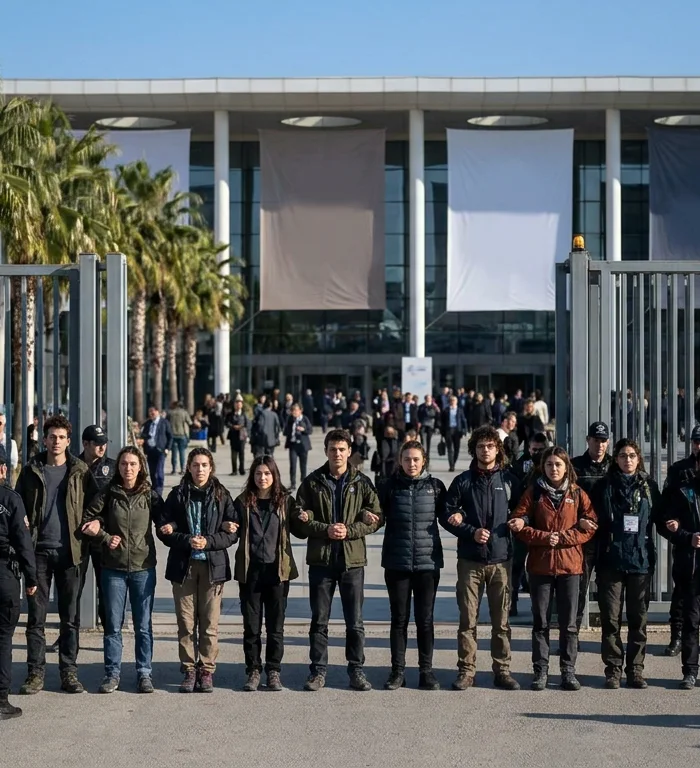
The COP31 climate conference in Antalya, Turkiye, has commenced amid heightened scrutiny regarding the influence of corporate lobbyists and the structural reliance of host nations on fossil fuels. Activist presence at the summit has intensified, with public criticism directed at the perceived hypocrisy of international climate negotiations and the prioritization of economic interests over environmental stability.
Institutional risk remains elevated as the summit addresses the intersection of global energy security and climate policy. The current conference follows a period of significant climate-related disasters and energy market volatility, exacerbated by regional geopolitical conflicts. These factors have complicated the transition strategies for host nations, which continue to maintain substantial coal and hydrocarbon dependencies despite stated commitments to renewable energy expansion.
Governance concerns center on the role of major energy-producing nations in hosting climate summits, a trend that critics argue undermines the credibility of the negotiation process. The presence of industry lobbyists within the summit framework is being cited as a primary obstacle to achieving binding, systemic changes to existing economic and political models. This tension between industrial profit motives and climate mitigation targets continues to define the discourse among stakeholders.
Looking forward, the outcomes of the COP31 negotiations, which conclude on November 20, will serve as a benchmark for the upcoming COP32 summit in Ethiopia. Policymakers should monitor the impact of these proceedings on international climate finance commitments and the potential for increased regulatory pressure on energy-intensive sectors. The ongoing alignment of youth activist movements with broader geopolitical causes suggests that institutional accountability will remain a central theme in future climate policy discussions.
More stories
- COP31 climate talks collapse over fossil fuels and funds
- Russian military faces 1,087 recorded suicides in Ukraine war
- US faces China, Russia in Africa minerals contest
- Russian war deaths top 460,000, Guardian says
- Monrovia mayor-designate seeks $14.5m city budget
- Iran's attacks hit 25 tankers near Strait of Hormuz
- Spanish workers stage first general strike in 14 years
- Singapore faces 400-post Indonesia disinformation push
- North Korea fires about 10 missiles before border deadline
- EU faces AI gaps with 90% rare-earth reliance on China
Latest news
- Macy’s parade faces balloon limits as storm winds approach
- Highly diversified investors report 91% confidence in retirement
- Nvidia board gets Trump input on Jensen Huang return as CEO
- Rwanda faces budget strain from 85% electricity access push
- ICE arrests at Seattle airport draw protests and scrutiny
- AI doubts leave Asian stocks facing a new investment test