European military spending climbs 14% as Pope blasts rearmament
European military spending rose 14% to $864 billion in 2025, prompting Pope Leo to condemn rearmament as undermining diplomacy, education and health.
Lauren Collins ·
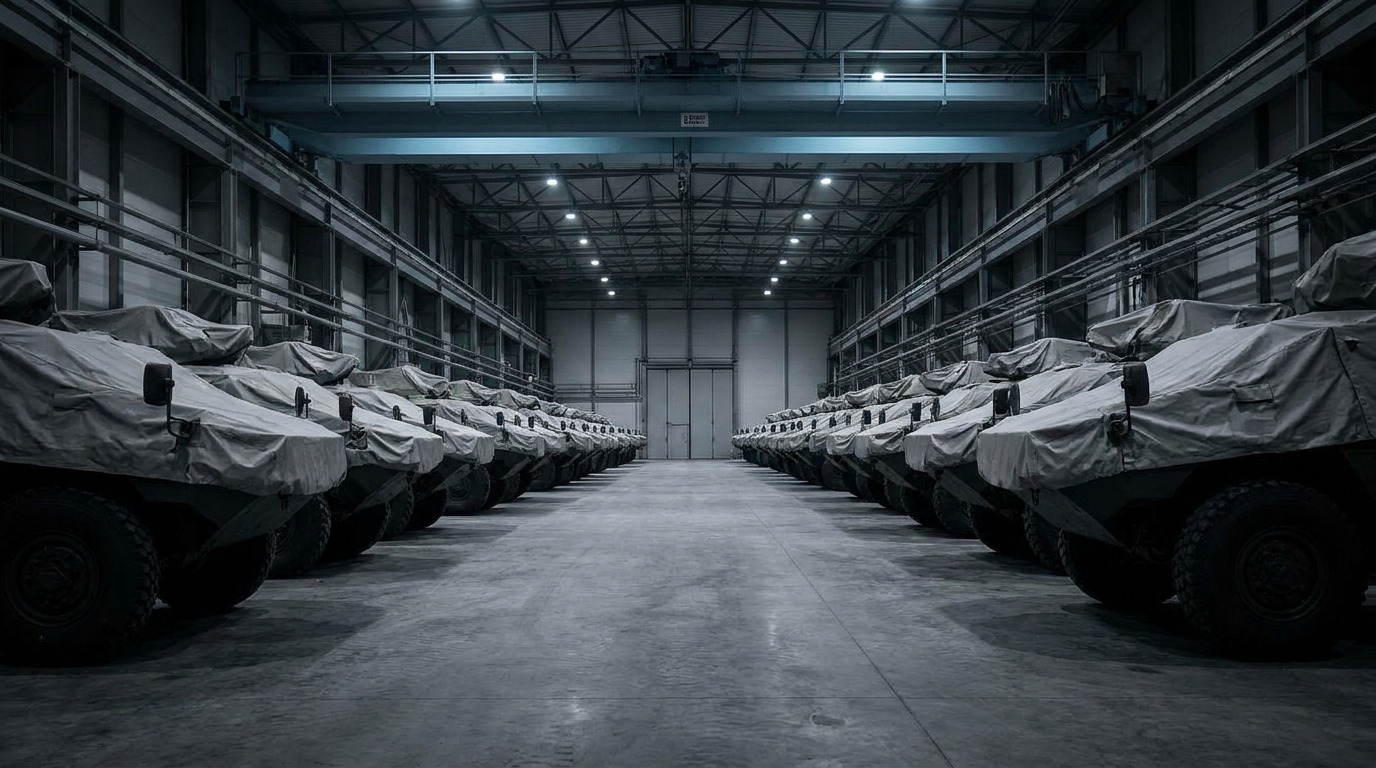
European military spending rose 14% to $864 billion in 2025, and Pope Leo said the wave of rearmament undermines diplomacy, social investment and global security.
Surge in spending and global drivers
Data from the Stockholm International Peace Research Institute show the continent recorded its largest annual increase since the Cold War, driven by the Russia-Ukraine conflict and renewed NATO acquisition programmes.
That 14% rise elevated total European spending to $864 billion, a level that analysts say reflects both immediate war-related requirements and longer-term force modernisation across member states.
Papal criticism and political tension
Addressing university students in Rome, Pope Leo argued that labeling the build-up as defensive masks its broader consequences for diplomacy and public welfare.
He warned that prioritising weapons over education and health weakens trust in diplomatic solutions and concentrates benefits among economic elites, while exacerbating insecurity for ordinary citizens.
The pontiff’s remarks come after a recent public spat with U.S. President Donald Trump, following Pope Leo’s critique of the Iran war. Trump has pushed European allies to raise defence budgets and signed an executive order in February to favour arms customers that spend more on defence.
Context, implications and what follows
European governments cite the Russian invasion of Ukraine and wider instability as primary reasons for accelerated procurement and force expansion. NATO members have increased commitments both to conventional arsenals and to deterrence infrastructure.
Budget reallocations toward defence are likely to constrain social and capital spending in coming budgets, analysts warn, complicating post-pandemic recovery and climate-related investments.
Observers say the political debate will centre on balancing immediate security needs with commitments to diplomacy and development. The pope’s intervention adds moral and public pressure on policymakers to justify arms outlays to domestic constituencies.
Looking ahead, defence officials will release programme details and national budget proposals in the months ahead, offering a clearer picture of long-term procurement trends and whether the 2025 spike represents a sustained shift.
For diplomats and international organisations, the challenge is to preserve space for negotiation even as military capabilities expand; for electorates, the question is whether higher defence spending will deliver greater security or divert resources from essential public services.
Policymakers and advocacy groups should expect intensified scrutiny of procurement plans and increased public debate on the trade-offs between military preparedness and social investment.