

Energy Costs Lift China Producer Prices Out of Deflation
China producer prices rose 0.5% in March as energy costs jumped, while CPI eased to 1.0%, highlighting weak domestic demand.
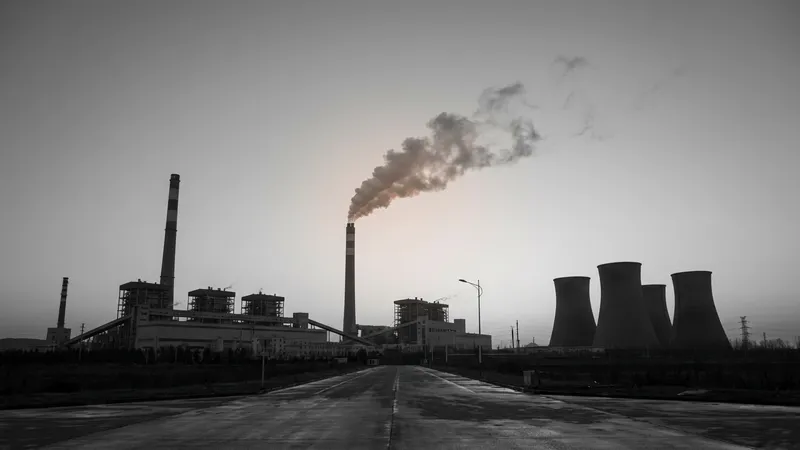
China’s factory-gate prices moved back into growth in March, ending a long stretch of producer-price deflation as energy-related costs rose sharply. Official data from the National Bureau of Statistics showed the producer price index (PPI) increased 0.5% year over year last month, reversing a 0.9% decline in February. It was the first positive PPI reading since September 2022.
The shift was closely tied to energy inputs. Prices in the oil and natural gas extraction industry rose 5.2% year over year in March, a sharp change from a 13% fall in the prior month. The figures highlighted how quickly energy costs can swing and how exposed parts of China’s industrial base remain to changes in global energy markets.
At the same time, consumer inflation stayed comparatively soft, pointing to continued weakness in domestic demand. The consumer price index (CPI) rose 1.0% in March from a year earlier, easing from a 1.3% increase in February. The combination of firmer producer prices and cooler consumer inflation underscored a gap between upstream cost pressures and downstream demand conditions.
Officials have been grappling for several years with deflationary forces that have been associated with industrial overproduction and restrained household spending. The ongoing property-market crisis has pushed policymakers to lean more heavily on manufacturing and exports as key engines of growth.
The official description accompanying the data said this approach has contributed to industrial overcapacity and intensified price competition among firms, reinforcing downward pressure on factory-gate prices for an extended period.
A higher PPI can provide some relief for industrial companies by easing margin pressure, particularly after more than three years of falling prices weighed on profitability. However, the March pattern suggested the improvement in factory-gate inflation was driven mainly by imported energy costs rather than a broad-based recovery in demand inside China.
That distinction matters for economic planning because cost-led price increases do not necessarily translate into stronger consumption or improved pricing power across the wider economy.
The outlook remains uncertain as policymakers weigh how to support internal demand without worsening supply-side strains. While the March data indicated a reduction in the immediate intensity of factory deflation, the underlying imbalance described in the release—weak consumption alongside supply pressures—was not resolved.
For global markets, the figures also showed how quickly energy-price moves can feed into China’s industrial costs, with potential knock-on effects for the pricing of traded goods and for supply chains that depend on Chinese manufacturing.
More stories
- IRGC says tanker explodes near Hormuz mine route
- Take-Two faces $30 million GTA 6 leak threat
- TG Therapeutics leads Valneva on 12 of 14 measures
- Pune police detain 92 over election-roll protest
- Tesla takes 90% of output from Arizona solar project
- New Horizon posts $4.1 million Q1 loss as R&D rises
- Hormuz Ceasefire Fails to Dent Oil Prices
- China's Producer Prices Climb 0.5% in March
- Euro Zone inflation rises above ECB target in March
- Eurozone Inflation Jumps to 2.5%, Exceeds ECB Target
Latest news
- Berlin health summit puts US pandemic strategy under congressional pressure
- US disables cargo ship in Iran blockade breach
- Ronaldo Ranks Third in Football's 1,000-Game Club
- Republicans Prepare Bill to Curb Trump Russia Deal
- Nollywood Star Urges Investment in Ghanaian Actor LilWin
- Marvels' Box Office Flop Still Pivotal for MCU's Future
- Hefner's Ex-Wife Defends Legacy Amid Film Controversy
- Fatal shooting incident reported in Istanbul's Bagcilar district