Dozens injured in Israel after Iranian missile strikes target two areas near main nuclear research center
Iran launched missile strikes on March 21, 2026, injuring dozens near Israel's nuclear research center, escalating regional tensions.
Lauren Collins ·
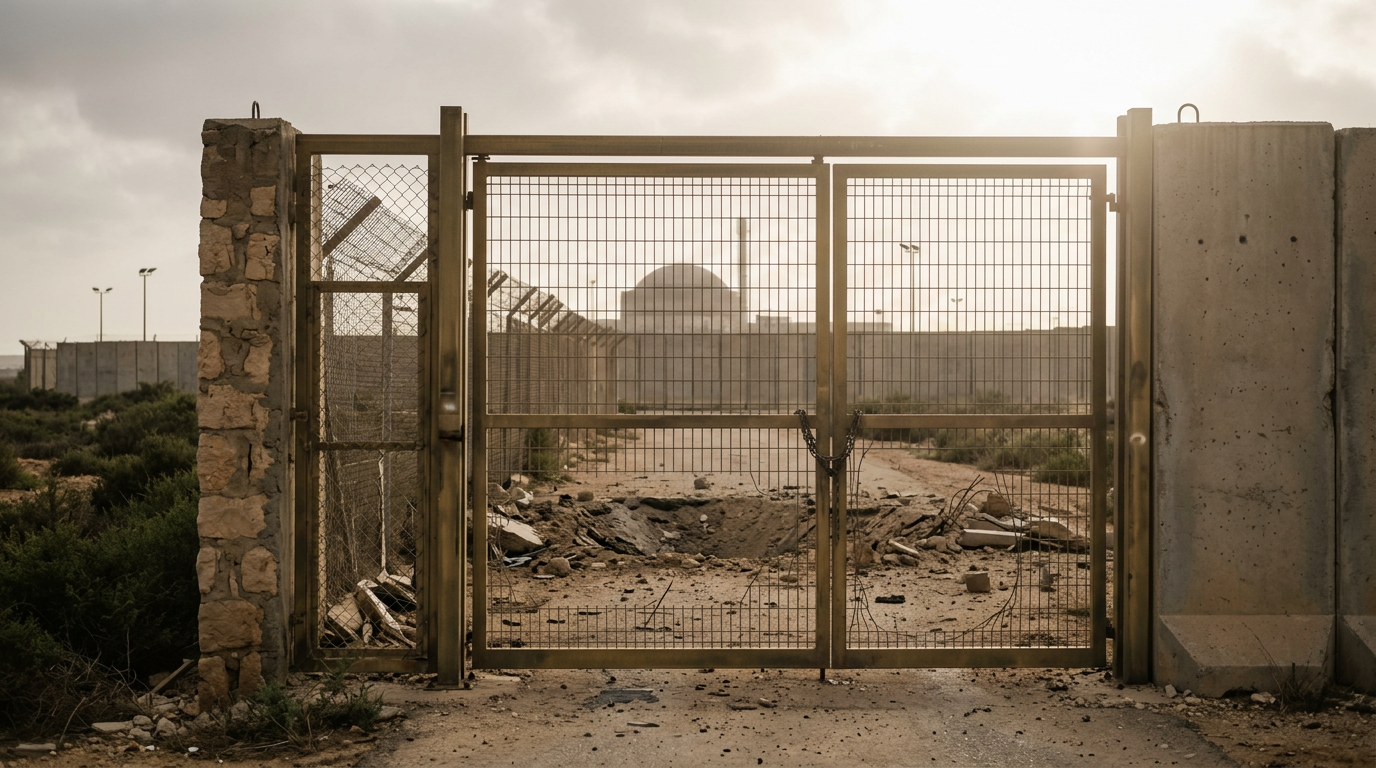
Dozens of individuals sustained injuries in Israel following Iranian missile attacks on March 21, 2026. The strikes targeted the southern cities of Dimona and Arad, located near Israel's primary nuclear research facility. This incident marks the first direct targeting of the area surrounding the nuclear center in the ongoing regional conflict.
Israeli military officials indicated that they were unable to intercept the incoming missiles. The attacks resulted in significant structural damage to buildings in the affected areas. Rescue services in Arad reported that at least 10 apartment buildings were damaged, with three severely impacted, leading to the hospitalization of 64 people.
Escalation of Regional Tensions
These missile strikes occurred hours after reports emerged of an attack on Iran's main nuclear enrichment site, signaling a significant escalation in the conflict, now in its fourth week. The proximity of the targeted Israeli cities to the nuclear research center, with Dimona approximately 20 kilometers west and Arad about 35 kilometers north, raises concerns about the strategic implications of the attacks.
Extended Missile Capabilities Demonstrated
Concurrently with the Israeli strikes, Iran also launched missiles at the joint U.K.-U.S. military base on Diego Garcia in the Indian Ocean. This base is situated approximately 4,000 kilometers from Iran, suggesting a substantial extension of Iran's missile range capabilities. Analysts are assessing whether Iran utilized its space program infrastructure for these long-range launches.
International Monitoring and Impact
The United Nations nuclear watchdog confirmed that it had not received any reports indicating damage to the Israeli nuclear research center or abnormal radiation levels in the vicinity. This statement aims to alleviate concerns regarding potential nuclear contamination following the attacks.
Historical Context of Regional Conflict
The broader conflict between Iran and Israel has deep historical roots, characterized by proxy conflicts and strategic competition for regional influence. Both nations possess advanced military capabilities, and the direct targeting of sensitive sites represents a dangerous new phase. Previous engagements have largely involved indirect actions or attacks on military assets rather than civilian areas near critical infrastructure.
Geopolitical Implications
The latest escalation carries significant geopolitical implications, potentially drawing in other regional and international actors. The demonstrated long-range missile capabilities of Iran could reshape strategic calculations for defense and deterrence in the Middle East and beyond. International efforts are likely to intensify to de-escalate the situation and prevent a wider regional conflagration, given the potential for severe economic and humanitarian consequences.
Implications
Country Impact: The direct targeting of areas near Israel's nuclear facility marks a significant escalation in the conflict, raising internal security concerns and potentially prompting a robust response from Israel. For Iran, the strikes demonstrate enhanced military capabilities and a willingness to directly engage sensitive Israeli targets.
Industry Impact: The heightened geopolitical instability could impact global energy markets, particularly oil prices, due to concerns over supply disruptions in the Middle East. Defense and aerospace industries may see increased demand for missile defense systems and related technologies.
Market Impact: Global financial markets are likely to react with increased volatility, particularly in equity and commodity markets. Investors may seek safe-haven assets, leading to potential shifts in bond yields and currency valuations, especially for currencies tied to regional stability.