Middle East crisis live: Trump threatens huge attack if Iran does not reopen strait of Hormuz within 48 hours
Former U.S. President Trump threatened military action against Iran if the Strait of Hormuz is not reopened within 48 hours, escalating Middle East tensions.
Lauren Collins ·
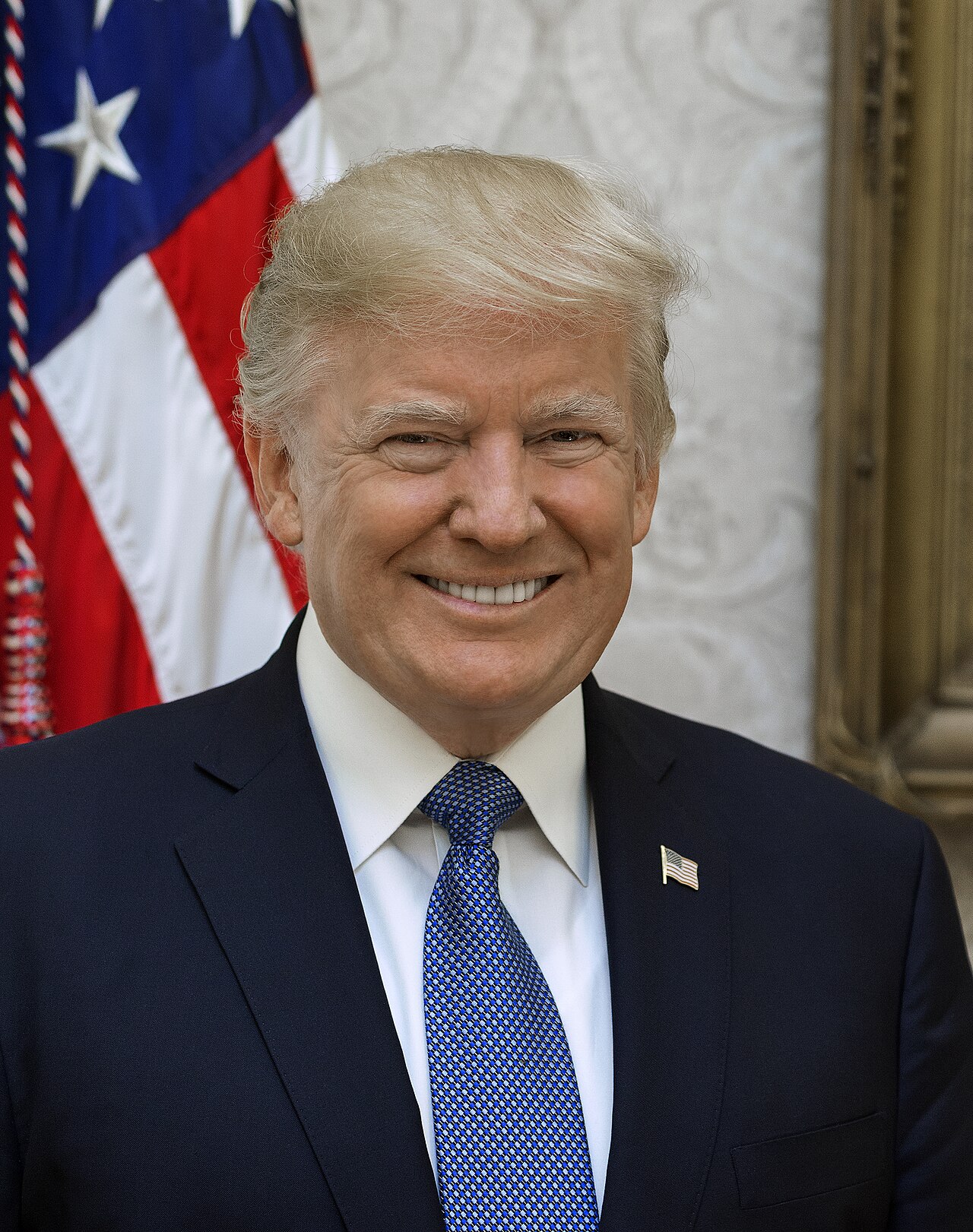
Former U.S. President Donald Trump issued a public warning on Saturday, March 21, 2026, indicating that the United States would initiate a substantial military response against Iran if the Strait of Hormuz remained closed beyond a 48-hour deadline. This statement specified that any such action would target Iranian power infrastructure, commencing with its largest facility.
This ultimatum emerges amid escalating tensions in the Middle East. Recent events include Iranian missile attacks on southern Israel, which reportedly injured close to 100 people. Prior to this, a joint operation by U.S. and Israeli forces targeted an Iranian nuclear enrichment site.
The Strait of Hormuz is a strategically vital maritime passage, essential for a significant portion of global oil shipments. Its potential closure has consistently been a source of international concern due to its impact on energy markets and global trade.
Regional Instability and Military Posturing
Trump's declaration follows a period of heightened regional instability. The U.S. military has asserted that it has diminished Iran's capacity to pose threats in the area. Concurrently, reports from the Israeli Air Force indicate an investigation into a recent missile interception failure, while the UN's nuclear watchdog confirmed no damage to the Negev nuclear research center following recent incidents.
Approximately 20 nations have reportedly signaled their willingness to contribute to efforts ensuring secure transit through the Strait of Hormuz. This broad international interest highlights the critical economic and geopolitical importance of maintaining open shipping lanes in the region.
Historical Context of Strait of Hormuz Tensions
The Strait of Hormuz, connecting the Persian Gulf with the Arabian Sea, has historically been a flashpoint for geopolitical tensions. Iran has, on several occasions, threatened to close the strait in response to international sanctions or military pressures, citing its sovereign right to control access to its territorial waters. Such threats typically lead to immediate spikes in global oil prices and increased naval presence from international powers.
Previous U.S. administrations have consistently affirmed their commitment to freedom of navigation through the strait, often deploying naval assets to the region to deter any attempts at closure. The current rhetoric from former President Trump aligns with a long-standing U.S. policy of ensuring the unimpeded flow of maritime traffic through this critical chokepoint.
Potential Economic and Geopolitical Repercussions
Any military action or prolonged closure of the Strait of Hormuz would have profound global economic repercussions, particularly for energy markets. A significant portion of the world's seaborne oil passes through this strait daily, making it indispensable for global energy security. Disruptions could lead to severe supply shocks and price volatility, impacting economies worldwide.
Geopolitically, an escalation could draw in multiple regional and international actors, potentially destabilizing the broader Middle East. The involvement of numerous countries in ensuring safe passage underscores the collective international stake in preventing conflict and maintaining stability in this crucial region.
Implications
Country Impact: The U.S. threat escalates tensions with Iran, potentially leading to direct military confrontation and significant regional instability. Israel faces continued security challenges from Iranian-backed actions, while other regional states may be drawn into a broader conflict.
Industry Impact: The global energy sector would face severe disruption if the Strait of Hormuz is closed or if military action occurs, leading to oil price spikes and supply chain instability. Shipping and logistics industries would also be heavily impacted by increased risks and potential rerouting.
Market Impact: Global financial markets would likely react with increased volatility, particularly in oil and gas futures. Equity markets could experience downturns due to geopolitical uncertainty, while safe-haven assets like gold and government bonds might see increased demand.