Mullin DHS Nomination Faces Senate Opposition
Senator Markwayne Mullin's DHS nomination faces significant Senate opposition over past remarks and professional claims, casting doubt on confirmation.
Lauren Collins ·
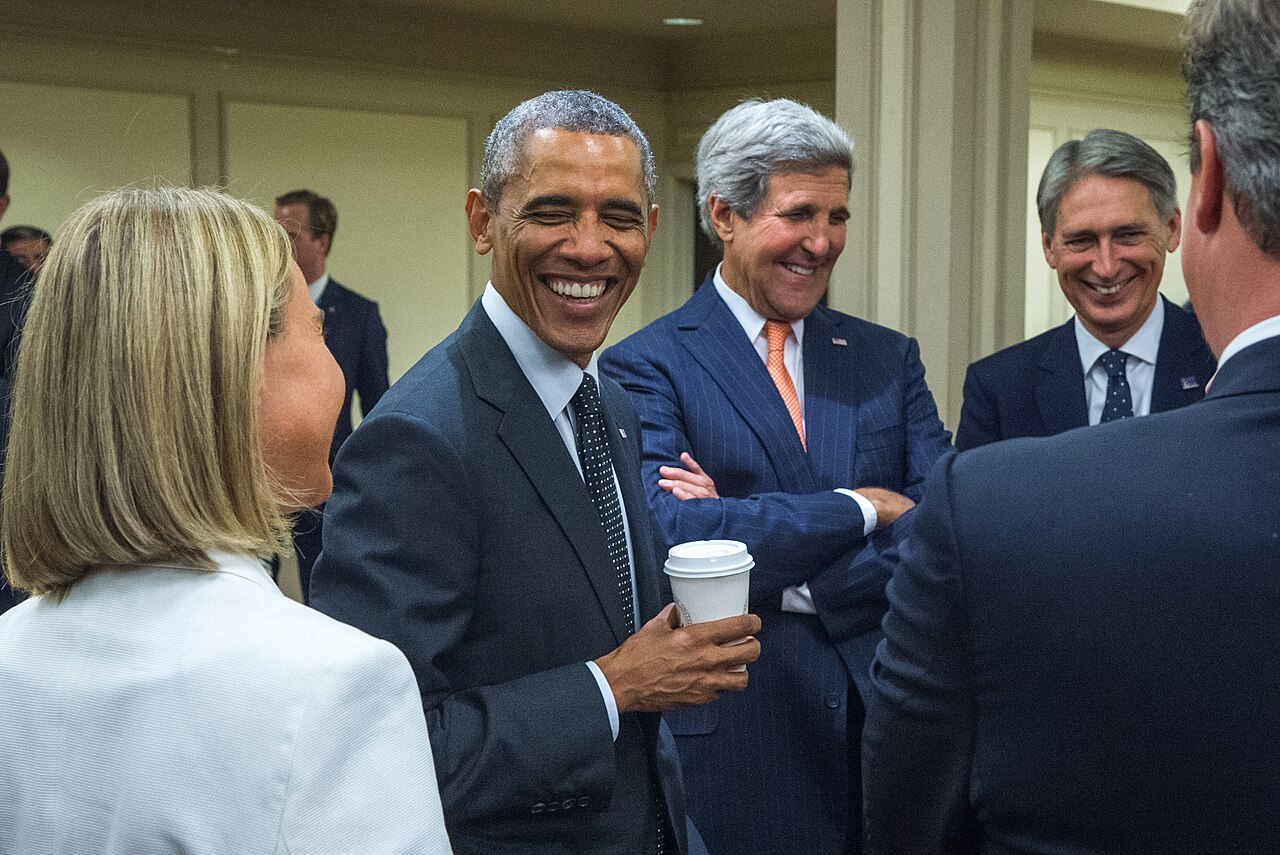
Senator Markwayne Mullin's nomination to lead the Department of Homeland Security (DHS) encountered significant resistance during his confirmation hearing before the Senate Homeland Security Committee. The proceedings, held on Wednesday, March 18, highlighted concerns regarding his past statements and professional background, casting doubt on the nomination's future.
The hearing featured a notable confrontation between Senator Mullin and Committee Chairman Senator Rand Paul. The core of this exchange centered on Mullin's previous remarks concerning a 2017 assault on Senator Paul. Mullin had stated he "understood" the assailant's motivation, a position he reiterated during the hearing, clarifying he did not endorse the violence but comprehended the underlying reasons.
Senate Scrutiny on Past Remarks
This personal dispute contributed to a tense atmosphere, exacerbated by Mullin's history of confrontational public rhetoric. Previous incidents, including a near physical altercation with a union leader, were noted by committee members. Such instances have frequently drawn attention to Mullin's communication style and temperament.
Beyond the personal exchanges, Senator Gary Peters, the ranking Democrat on the committee, raised questions about Mullin's professional claims. Peters probed Mullin's assertions of participating in "secret missions" and experiencing "hairy situations overseas." These inquiries were particularly pertinent given Mullin's lack of military service.
Questions on Professional Background
Mullin declined to elaborate on these alleged classified activities, citing their sensitive nature. This lack of detail, combined with the direct challenge from both the committee chairman and a leading Democrat, signals a challenging path for his confirmation. The bipartisan nature of the opposition suggests a potential rejection or withdrawal of the nomination in the near term.
Historically, DHS Secretary nominations have faced rigorous scrutiny, particularly concerning national security experience and leadership temperament. The department's broad mandate, encompassing border security, cybersecurity, and counter-terrorism, demands a nominee with broad support and an unblemished record. Mullin's current challenges underscore the high bar for such a critical cabinet position.
Implications for DHS Leadership
The Department of Homeland Security, established in the wake of the September 11 attacks, plays a pivotal role in safeguarding the United States. A prolonged confirmation battle or a failed nomination could create uncertainty in leadership during a period of evolving national security threats. The Biden administration would then need to identify an alternative candidate, potentially delaying key policy initiatives.
This situation highlights the intricate dynamics of Senate confirmation processes, where personal history, political rhetoric, and professional qualifications are all weighed. The outcome for Senator Mullin's nomination will likely depend on his ability to address these concerns and garner sufficient bipartisan support in the coming weeks.
Implications
Country Impact: A prolonged confirmation process or a failed nomination could lead to leadership instability at the Department of Homeland Security, potentially impacting national security operations and policy implementation during a critical period.
Industry Impact: The outcome could influence the defense and security contracting industries, as a new DHS Secretary might shift priorities or procurement strategies. Uncertainty in leadership can also affect long-term planning for cybersecurity and border management firms.
Market Impact: While direct market impact is limited, political uncertainty surrounding key cabinet positions can contribute to broader sentiment shifts. Delays in DHS leadership could indirectly affect sectors reliant on stable national security policies, such as travel and logistics.